
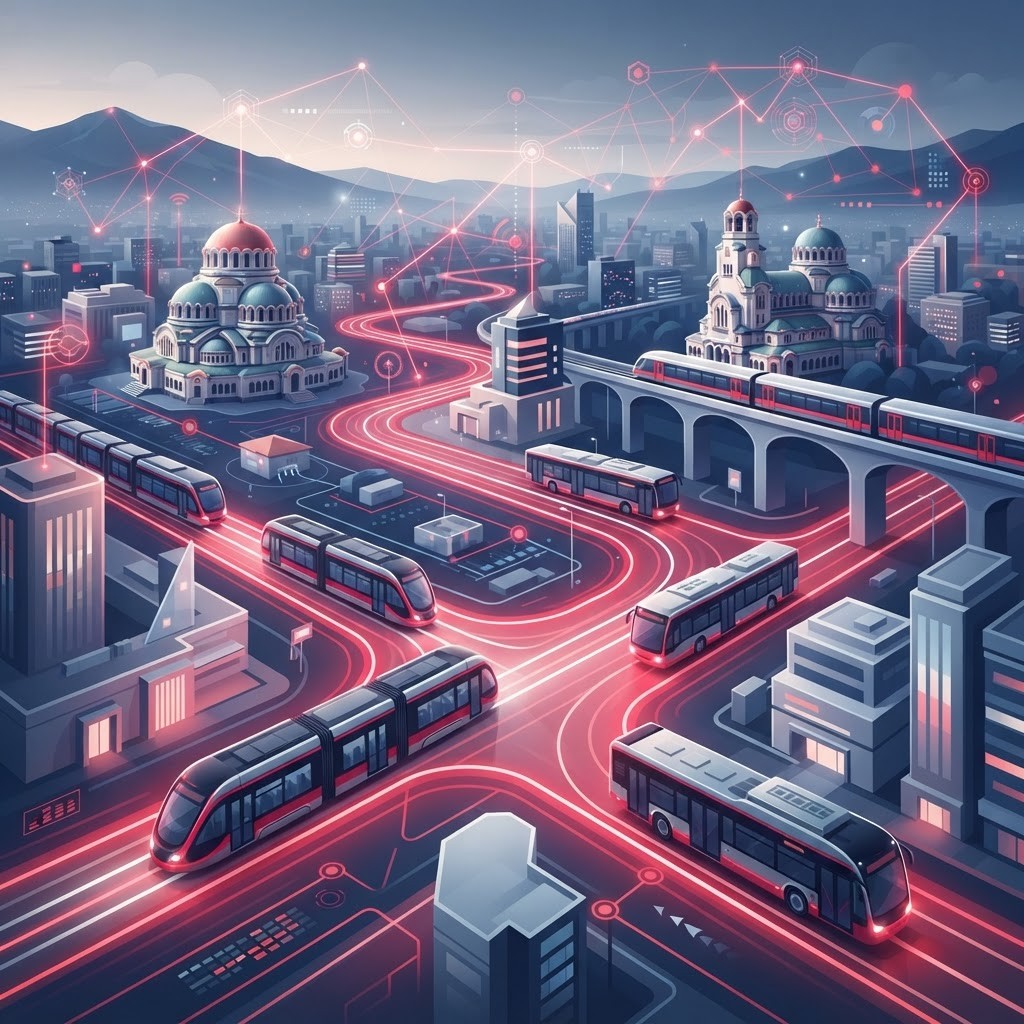
Public Transit as the Backbone of Bulgarian Mobility
Public transportation plays a central role in daily life across Bulgaria, offering an affordable and increasingly modern way to move within cities and between regions. The capital, Sofia, anchors the network with an integrated system of metro, trams, trolleybuses, and buses, while cities like Plovdiv, Varna, and Burgas maintain busy urban fleets. Intercity coaches and the national railway connect towns and villages, ensuring that even smaller communities remain linked to the wider country.
Ongoing investment has significantly improved comfort and reliability. Electric and hybrid vehicles, contactless ticketing, and real-time arrival information have modernised the passenger experience, while expansion projects continue to extend coverage. For residents and visitors alike, public transit offers a cost-effective and environmentally friendly alternative to driving.
What Defines Quality Public Transit
Effective transit systems combine frequency, coverage, punctuality, and affordability. Clean, accessible vehicles, clear route information, and integrated ticketing that works across multiple modes all enhance the passenger experience. Increasingly, sustainability and digital convenience are becoming key measures of quality.
The Top 10 Public Transit Services
Sofia Metro (Metropoliten) is the crown jewel of Bulgarian public transit, providing fast, reliable, and fully accessible service across the capital with modern stations and frequent trains that avoid the city's road traffic entirely.
Sofia Urban Mobility Centre coordinates the capital's trams, trolleybuses, and buses into a unified network, offering integrated ticketing and extensive coverage that serves millions of journeys each month.
Bulgarian State Railways (BDZ) connects cities and regions across the country with intercity and regional trains, offering an affordable and scenic way to travel between major destinations.
Plovdiv City Transport keeps Bulgaria's second-largest city moving with a well-organised bus network, steadily modernising its fleet to improve comfort and reduce emissions.
Varna City Transport serves the Black Sea metropolis with buses and trolleybuses, providing essential links between residential districts, the port, and popular coastal areas.
Burgas Public Transport (Burgasbus) stands out for its modern, environmentally friendly fleet and well-planned routes, frequently cited as a model for sustainable urban mobility in the country.
Union Ivkoni is one of the leading intercity coach operators, connecting towns and cities nationwide with comfortable, frequent, and affordable long-distance services.
Biomet offers extensive intercity bus routes, valued for its reliability and broad network reaching both major hubs and smaller regional centres.
Etap Address is a respected coach company known for comfortable long-distance travel and dependable schedules linking key Bulgarian destinations.
Ruse City Transport completes the list, serving the Danube city with a practical network that keeps residents connected to work, education, and essential services.
Modernisation and Sustainability
Bulgarian transit operators are investing heavily in cleaner, smarter systems. Fleets of electric buses and trolleybuses are expanding, reducing emissions in urban centres, while the Sofia Metro continues to grow with new lines and stations. Digital ticketing, mobile apps, and real-time tracking are becoming widespread, making journeys easier to plan and pay for. These improvements reflect a national commitment to greener, more efficient mobility.
Tips for Getting Around
Travellers can save money by purchasing multi-day or multi-ride tickets, especially in Sofia where a single card can cover metro, trams, and buses. Downloading official transit apps helps with route planning and live arrival times. For intercity travel, booking coach or train tickets in advance during peak periods ensures a seat, while off-peak journeys are often more comfortable and affordable.
Conclusion
Bulgaria's public transit network offers an impressive blend of affordability, coverage, and steadily improving quality. From the efficient Sofia Metro to reliable intercity coaches and scenic rail routes, residents and visitors have a wealth of options for moving around the country. With continued investment in electrification and digital services, public transportation in Bulgaria is set to become even more convenient, sustainable, and passenger-friendly.
