
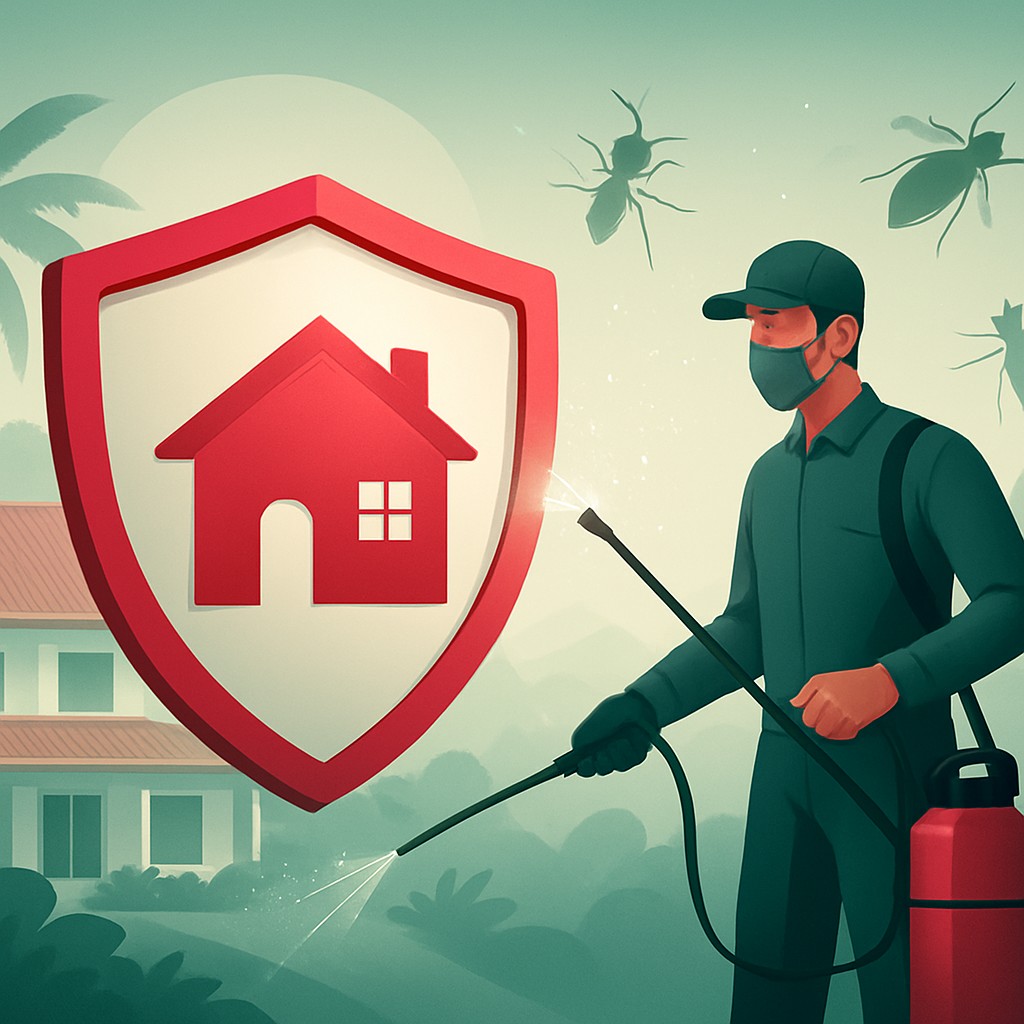
The Importance of Pest Control in Sri Lanka
Sri Lanka's warm, humid tropical climate provides ideal conditions for a wide variety of pests, making professional pest control an essential service for homes and businesses. Termites, cockroaches, mosquitoes, rodents, ants, and bedbugs are common challenges that can damage property, spread disease, and disrupt daily life. The best pest control services in Sri Lanka offer effective, safe, and lasting solutions to protect health and property.
Pest infestations are more than a nuisance; they pose serious risks. Mosquitoes can transmit diseases such as dengue, which is a significant public health concern in Sri Lanka. Termites can cause extensive structural damage to buildings and furniture, while rodents and cockroaches contaminate food and spread illness. Professional pest control addresses these threats comprehensively, providing peace of mind and protection.
Common Pests and the Threats They Pose
Pest control companies in Sri Lanka deal with a broad range of pests. Termites are among the most destructive, silently damaging wooden structures, furniture, and fittings. Effective termite control, including pre-construction and post-construction treatments, is vital for protecting buildings.
Mosquitoes are a major health concern, and control programmes help reduce breeding sites and populations to limit the spread of disease. Cockroaches, ants, and rodents commonly invade homes, kitchens, and food storage areas, posing hygiene and health risks. Bedbugs, flies, and stored-product pests also require specialised treatment. Understanding each pest's behaviour is essential for effective, targeted control.
Modern Pest Control Methods
The best pest control services use modern, scientifically based methods to achieve effective results while minimising risks. Integrated Pest Management is an approach that combines inspection, prevention, and targeted treatment to control pests sustainably. This reduces reliance on chemicals and focuses on long-term solutions rather than temporary fixes.
Treatments may include safe and approved chemical applications, baiting systems, fumigation, and physical barriers. Termite control often involves soil treatment and the use of specialised products to protect structures. Reputable companies use products that are effective against pests while being safe for families, pets, and the environment when applied correctly by trained technicians.
What Defines a Leading Pest Control Company
The leading pest control companies are defined by expertise, safety, and reliability. Trained and knowledgeable technicians are essential for accurate identification of pests and the application of appropriate treatments. Proper assessment of each situation ensures that the right methods are used for lasting results.
Safety is a key priority, as treatments must protect occupants while eliminating pests. Reputable companies use approved products, follow proper procedures, and advise clients on precautions. Reliable scheduling, follow-up visits, and guarantees of effectiveness further distinguish top providers. Professionalism, transparency, and a commitment to customer satisfaction build the trust that is essential in this industry.
The Value of Preventive Treatment
Prevention is a central aspect of effective pest control. Regular preventive treatments and inspections help detect and address infestations before they become severe and costly. For businesses such as restaurants, hotels, and food processing facilities, ongoing pest management is essential for hygiene, reputation, and regulatory compliance.
Preventive termite treatment during construction protects buildings from future damage, while regular mosquito and general pest control maintains a healthy living environment. Many companies offer maintenance contracts that provide scheduled treatments and inspections, ensuring continuous protection. This proactive approach is far more effective and economical than reacting to established infestations.
Trends in the Pest Control Industry
The pest control industry in Sri Lanka is increasingly focused on safety, sustainability, and effectiveness. There is growing demand for eco-friendly and low-toxicity treatments that protect families, pets, and the environment. Integrated Pest Management approaches that emphasise prevention and minimal chemical use are becoming more widely adopted.
Public awareness of health risks, particularly mosquito-borne diseases, has heightened the importance of professional pest control. Businesses and homeowners alike recognise the value of regular, professional treatment. As standards rise, companies that combine modern methods, safety, and reliability are well positioned to lead the market.
How to Choose a Reliable Pest Control Service
Selecting the right pest control company involves considering expertise, methods, safety, and reputation. Clients should confirm that the company uses approved products and trained technicians, and that treatments are safe for occupants. Recommendations and reviews provide insight into effectiveness and reliability.
It is important to discuss the treatment plan, expected results, follow-up visits, and any guarantees. Transparent pricing and clear communication are signs of a trustworthy provider. By choosing an experienced and reputable pest control service, homeowners and businesses can effectively protect their property and health from the many pests that thrive in Sri Lanka's climate.
Conclusion
Pest control is an essential service in Sri Lanka, where the tropical climate creates ideal conditions for a wide range of harmful pests. The best companies combine trained technicians, safe and modern treatment methods, and a strong focus on prevention to deliver lasting protection. By investing in professional, reputable pest control, families and businesses can safeguard their health, protect their property, and enjoy cleaner, safer environments throughout the year.
