
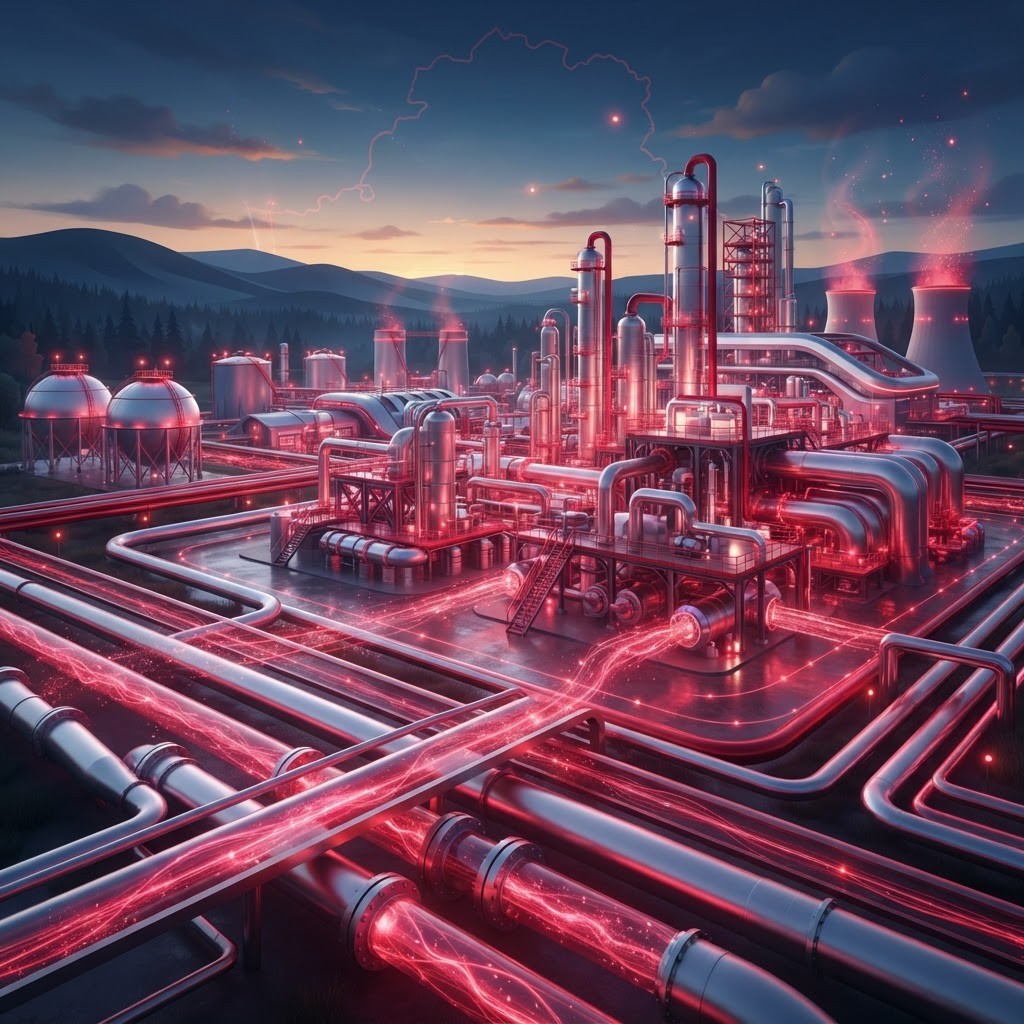
Belarus and the Oil and Gas Industry
The oil and gas sector holds a pivotal place in the Belarusian economy. Although the country possesses only modest domestic reserves, it has built a sophisticated refining and petrochemical infrastructure that processes crude oil into valuable products for both domestic use and export. Refined petroleum products consistently rank among the nation's most important export commodities, making the sector a critical contributor to national revenue and industrial employment.
Belarus's strategic geographic position, situated along major pipeline routes connecting east and west, has historically made it an important transit and processing hub. This location, combined with substantial refining capacity, allows the country to add value to imported crude and supply markets across the region. The companies operating in this space combine large-scale engineering, logistics expertise, and technical precision.
The Leading Players
Belneftekhim is the state concern that anchors the entire petrochemical complex. It coordinates the activities of refineries, chemical plants, and distribution networks, ensuring that the sector operates as an integrated whole. Its oversight brings coherence to production planning, export strategy, and investment in modernization.
Naftan, based in Novopolotsk, is one of the two flagship oil refineries in the country. Known for its extensive product range and continuous upgrades, Naftan produces fuels, lubricants, and petrochemical feedstocks that serve both domestic and international customers. Its ongoing modernization programs have improved refining depth and product quality.
Mozyr Oil Refinery is the second major refining complex, located in the south of the country. It plays a central role in supplying fuels to the domestic market and generating export earnings. The refinery has invested heavily in deep conversion technology to increase the yield of high-value products from each barrel of crude.
Belorusneft is the primary domestic exploration and production company, responsible for extracting the country's limited but valuable oil reserves. Beyond upstream activities, it operates a broad network of fuel stations and provides oilfield services, making it a vertically integrated presence in the sector.
Distribution and Retail Leaders
Beloil and the retail arm of Belorusneft dominate the fuel station landscape, offering consumers reliable access to gasoline, diesel, and related products. These networks combine convenience with consistent quality standards, and many stations have expanded to include modern amenities for travelers.
Gazprom Transgaz Belarus manages a significant portion of the natural gas transmission infrastructure, ensuring the steady flow of gas that heats homes, powers industry, and generates electricity. Reliable gas supply is fundamental to the country's energy stability, and this entity plays an essential logistical role.
Industry Trends and Modernization
The Belarusian oil and gas sector is characterized by an ongoing drive toward modernization. Refineries have invested billions in deep conversion units, hydrocracking, and desulfurization technology. These upgrades allow the plants to meet stringent international fuel standards and to produce cleaner, higher-value products that command premium prices in export markets.
Environmental performance is receiving increasing attention. Facilities are adopting technologies to reduce emissions, improve energy efficiency, and minimize waste. As global environmental expectations tighten, these investments help Belarusian producers remain competitive and responsible.
Diversification is another notable trend. Recognizing the risks of relying too heavily on any single supply source or market, companies are working to broaden their crude sourcing options and expand their customer base. This flexibility strengthens the sector's resilience against geopolitical and market fluctuations.
Economic Importance
The contribution of oil and gas to the Belarusian economy extends far beyond direct revenue. The sector supports a vast ecosystem of suppliers, transporters, engineers, and service providers. Refineries and petrochemical plants are major employers, sustaining entire communities in cities like Novopolotsk and Mozyr.
Export earnings from refined products help finance imports and support the national currency. The petrochemical industry also supplies feedstocks to downstream manufacturers, enabling the production of plastics, fertilizers, and synthetic materials. This integration multiplies the sector's economic impact across many industries.
Choosing a Reliable Supplier
For industrial buyers and commercial partners, working with established oil and gas companies offers important advantages. Large, integrated producers provide consistent product quality, dependable volumes, and the technical support needed for demanding applications. Their scale allows them to honor long-term contracts and adapt to changing customer requirements.
Reputation and reliability are paramount in this sector. Companies with decades of operating history and continuous investment in their facilities inspire confidence among buyers who depend on uninterrupted supply. Evaluating a partner's modernization record and quality certifications can help ensure a productive relationship.
Looking Ahead
The future of the Belarusian oil and gas industry will be shaped by the twin forces of modernization and diversification. As refineries continue to upgrade and the sector adapts to evolving global energy dynamics, the companies profiled here are well positioned to maintain their leadership. Their combined capabilities in extraction, refining, distribution, and petrochemical production form the backbone of the nation's energy economy, and they will remain central to Belarus's industrial strength for years to come.
