
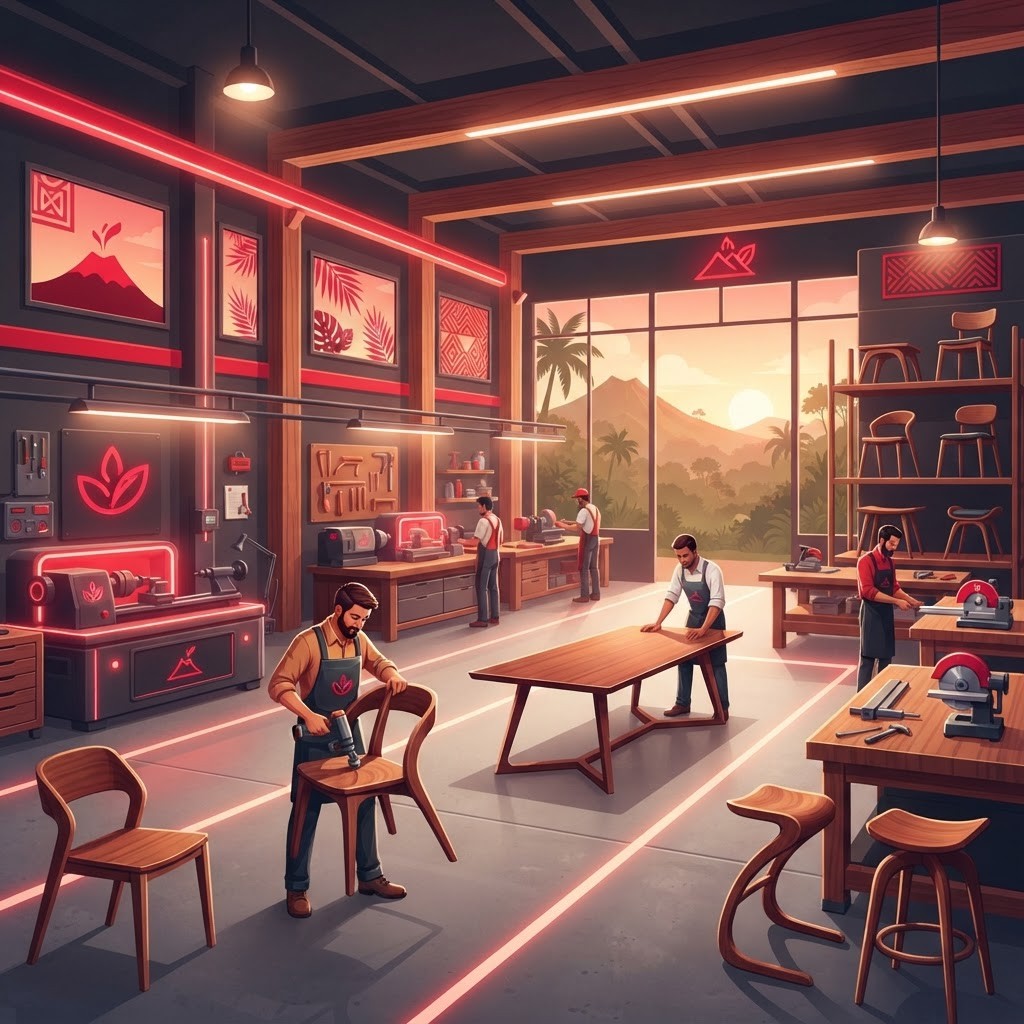
The Rise of Furniture Manufacturing in Nicaragua
Nicaragua has quietly established itself as one of Central America's most promising centers for furniture production. Blessed with abundant tropical hardwoods, a deep-rooted tradition of woodworking, and a skilled labor force, the country produces furniture that ranges from rustic handmade pieces to contemporary factory-produced collections. The sector blends generational craftsmanship with modern manufacturing techniques, creating products that appeal to both domestic buyers and export markets across the region.
Cities such as Masaya, Granada, and Managua have become well-known hubs for furniture making. Masaya in particular is often referred to as the cradle of Nicaraguan handicrafts, where family-run workshops have passed woodworking skills down through the generations. This heritage gives the country a distinctive identity in the furniture world, combining artistic detail with functional design.
What Sets Nicaraguan Furniture Manufacturers Apart
The most respected manufacturers in Nicaragua share several common strengths. First is their access to premium local materials such as mahogany, cedar, guanacaste, and pochote wood, which are prized for durability and rich grain. Second is the emphasis on handcrafted detailing, including hand-carving, joinery, and custom finishes that mass producers in larger countries often cannot match. Third is flexibility: many Nicaraguan producers accept custom orders and small production runs, making them attractive partners for boutique retailers and interior designers.
Sustainability has also become an important differentiator. A growing number of manufacturers are adopting responsible forestry practices, using certified wood, and repurposing offcuts to reduce waste. This commitment resonates with international buyers who increasingly demand transparency in their supply chains.
Leading Furniture Manufacturers to Know
Several companies have earned strong reputations within the Nicaraguan furniture industry. Muebles Don Bosco is among the most recognized, born from a technical training program that produces high-quality hardwood furniture while training young craftsmen. Their pieces are known for solid construction and classic designs that last for decades.
Simplemente Madera has gained acclaim for combining sustainable forestry with sophisticated design, offering modern furniture crafted from responsibly sourced tropical timber. The company has become a benchmark for eco-conscious luxury in the region.
Muebles Sarah and Muebles El Carmen serve broad domestic demand with extensive catalogs covering living room, bedroom, and office furniture. These manufacturers focus on reliable value and consistent availability, making them popular with families and businesses alike.
Artisan-focused producers such as Ebanistería Masaya and Taller de Muebles Coloniales specialize in colonial-style and hand-carved furniture that reflects Nicaragua's cultural heritage. Their work is frequently sought after for hotels, restaurants, and heritage restoration projects. Meanwhile, contemporary studios like Madera y Diseño, Muebles Modernos Managua, Carpintería Granada, and Muebles Tropicales round out the market with fresh, minimalist aesthetics aimed at younger urban consumers.
Industry Trends Shaping the Sector
The Nicaraguan furniture industry is evolving rapidly. One notable trend is the shift toward hybrid production, where traditional handcrafting is combined with computer-aided machinery to improve precision and scale without losing artisanal character. This allows manufacturers to compete on price while preserving the quality that defines their reputation.
Export growth is another significant development. Nicaraguan furniture is increasingly finding its way to markets in the United States, Costa Rica, and beyond, driven by demand for authentic, handmade tropical hardwood pieces. Trade associations and government initiatives have supported this expansion by helping producers meet international standards and certifications.
Design innovation is also flourishing. Younger manufacturers are experimenting with mixed materials, blending wood with metal, rattan, and textiles to create versatile pieces that suit modern interiors. At the same time, there is renewed appreciation for classic colonial and rustic styles that celebrate the country's history.
Benefits of Choosing Nicaraguan Furniture Makers
For buyers, working with Nicaraguan manufacturers offers a combination of value, quality, and authenticity that is difficult to find elsewhere. The use of solid tropical hardwoods ensures longevity, while the handcrafted approach delivers character and uniqueness. Competitive labor and material costs also make Nicaraguan furniture attractively priced compared to producers in North America or Europe.
Custom capabilities are a major advantage as well. Many workshops welcome bespoke commissions, allowing designers and homeowners to specify dimensions, finishes, and detailing. This personalized service, paired with the warmth of dealing directly with skilled craftsmen, creates a rewarding purchasing experience.
Conclusion
Nicaragua's furniture manufacturing sector represents a compelling blend of tradition, sustainability, and modern ambition. From established names like Muebles Don Bosco and Simplemente Madera to emerging design studios, the industry offers something for every taste and budget. As the country continues to invest in responsible forestry, skills training, and export development, its furniture makers are well positioned to grow their influence throughout Central America and beyond. For anyone seeking durable, beautiful, and ethically produced furniture, Nicaragua's manufacturers are well worth discovering.
