
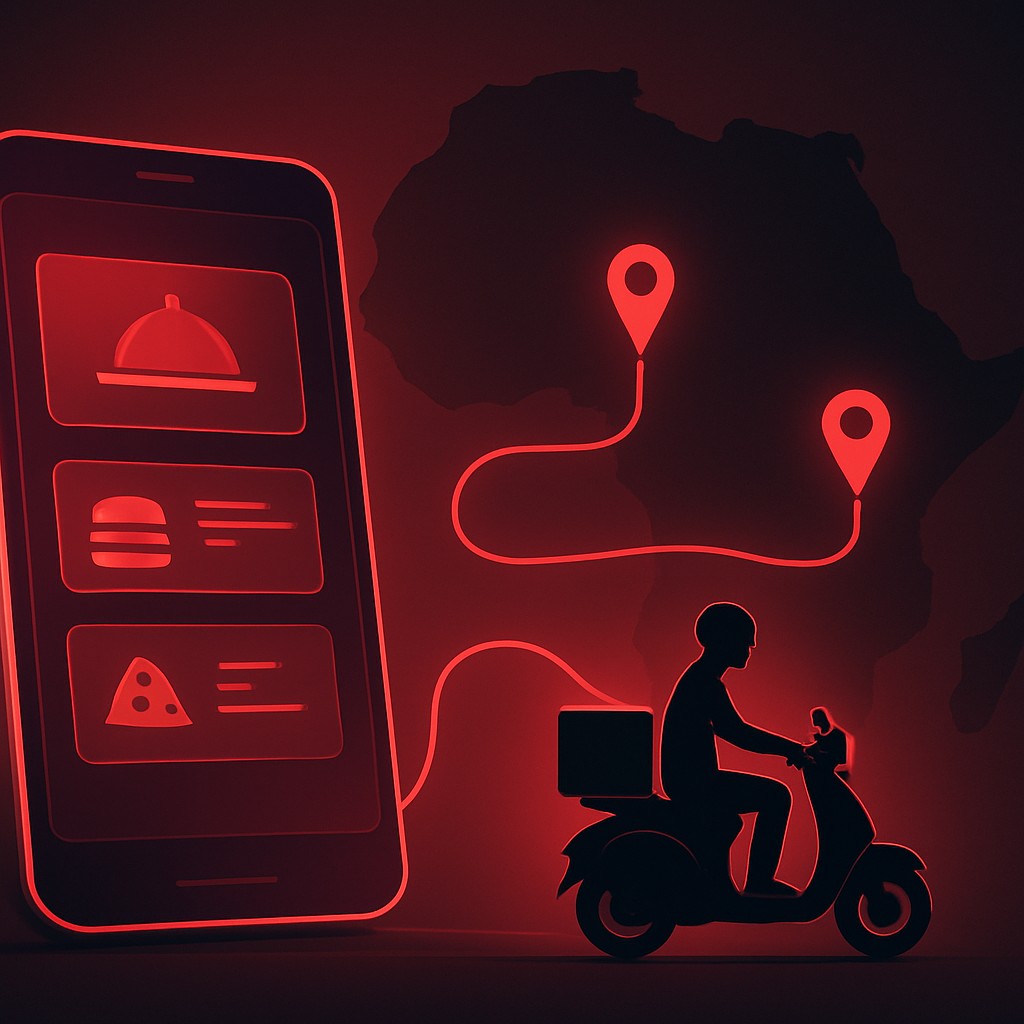
The Convenience Revolution
Food delivery has rapidly grown in popularity across Zimbabwe, particularly in urban centres such as Harare and Bulawayo. As smartphones become widespread and busy lifestyles demand convenience, food delivery apps have emerged to connect hungry customers with restaurants, takeaways, and grocery stores. With a few taps, users can browse menus, place orders, and have meals delivered to their doorstep.
This shift reflects broader changes in consumer behaviour and the growth of Zimbabwe's digital economy. Food delivery apps not only offer convenience to customers but also create opportunities for restaurants to reach new markets and for couriers to earn income.
How Food Delivery Apps Work
Food delivery platforms act as intermediaries, bringing together restaurants, customers, and delivery riders. Customers use the app to browse partnered restaurants, view menus and prices, place orders, and pay, often through mobile money or other electronic methods. The app then coordinates with the restaurant and a delivery rider to fulfil the order and track its progress.
This model benefits everyone involved. Restaurants gain visibility and additional sales without managing their own delivery logistics, customers enjoy convenience and choice, and riders find flexible earning opportunities.
Leading Food Delivery Apps
QuickBite Zimbabwe is among the most popular platforms, partnering with a wide range of restaurants and known for its user-friendly interface and reliable service.
Dial-a-Delivery offers food and grocery delivery with broad coverage in major cities, valued for its established reputation.
FeastNow focuses on fast delivery and a curated selection of popular restaurants, appealing to customers who want speed and quality.
MealRunner connects users with local takeaways and eateries, emphasising affordability and quick service.
Harare Eats highlights local restaurants and cuisine, supporting smaller establishments and offering diverse choices.
SwiftServe provides both food and convenience-store delivery, combining meals and essentials in one platform.
Why Customers Love Food Delivery
The appeal of food delivery apps is rooted in convenience. Customers can enjoy meals from their favourite restaurants without leaving home or work, saving time and effort. The ability to browse a wide selection, compare options, and order easily adds to the appeal. Cashless payment integration, especially with mobile money, makes transactions smooth and secure.
During busy workdays, family evenings, or social gatherings, food delivery offers a hassle-free way to enjoy good food, contributing to its growing popularity.
Supporting Restaurants and Riders
Food delivery apps have created meaningful economic opportunities. Restaurants, including small and independent establishments, can reach customers beyond their immediate neighbourhood and increase sales without investing in their own delivery infrastructure. Delivery riders gain flexible work, an important source of income in a challenging job market.
By connecting these participants, delivery platforms contribute to the broader economy and support entrepreneurship in the food sector.
Navigating Local Challenges
Operating food delivery services in Zimbabwe involves overcoming several challenges. Reliable internet connectivity, efficient logistics, and managing payments in a complex currency environment all require careful attention. Traffic, fuel availability, and address systems can complicate delivery logistics. The most successful apps invest in technology, build strong restaurant and rider networks, and continually refine their operations to ensure reliable service.
Trust and consistency are crucial. Customers value accurate orders, reasonable delivery times, and good communication, and the leading platforms work hard to meet these expectations.
The Future of Food Delivery
The food delivery market in Zimbabwe is poised for continued growth as smartphone usage rises and digital payment adoption deepens. Apps are likely to expand into more cities and add new features such as grocery and pharmacy delivery. Competition will drive improvements in service quality, speed, and value, benefiting customers and partners alike.
The food delivery apps highlighted here are at the forefront of this convenience revolution. By blending technology, logistics, and a love of good food, they are reshaping how Zimbabweans dine and creating new opportunities across the food ecosystem.
