
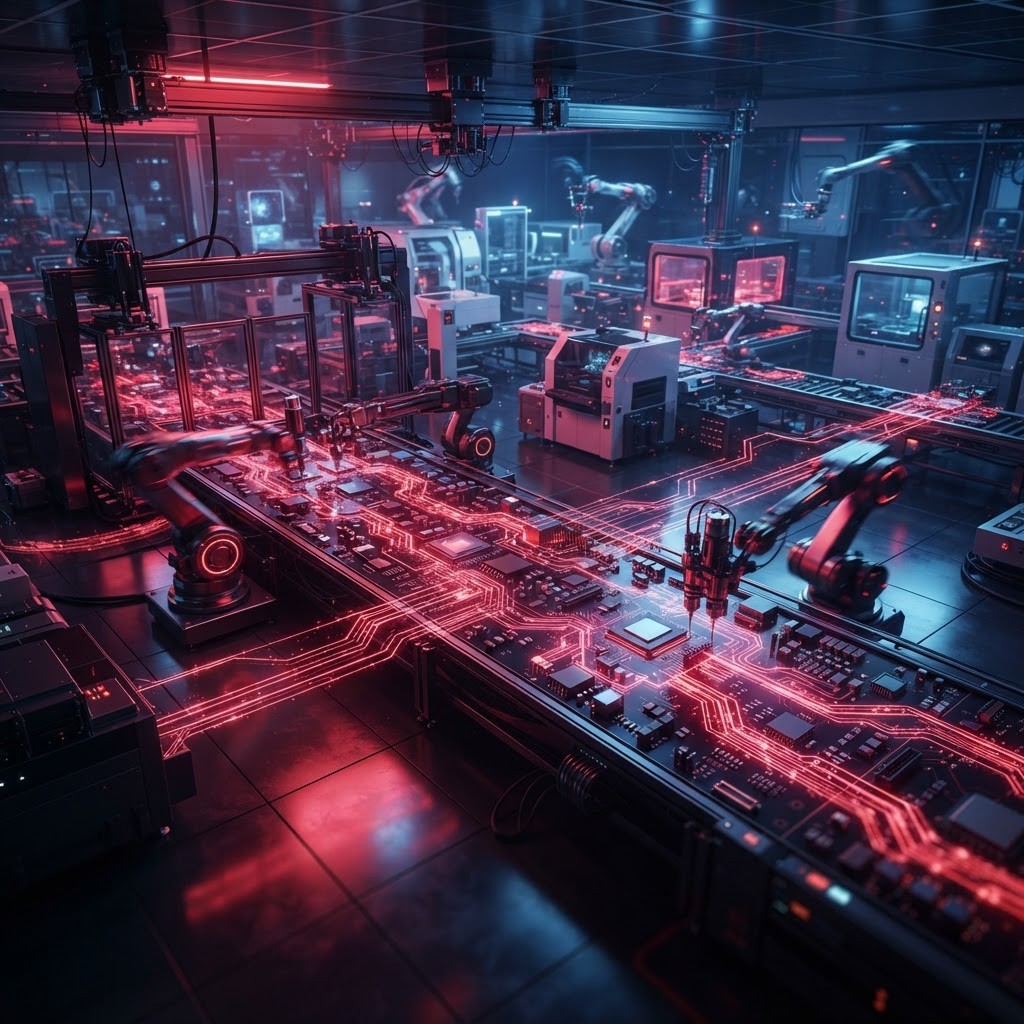
A Rising Electronics Manufacturing Hub
While textiles have historically dominated El Salvador's industrial landscape, electronics manufacturing is emerging as an increasingly important sector. Driven by nearshoring trends, a young and trainable workforce, competitive costs, and improving infrastructure, the country is attracting investment in electronic assembly, components, and related technology services. From consumer electronics assembly to industrial components and electrical products, Salvadoran manufacturers are steadily climbing the value chain.
The companies below reflect the breadth of this growing industry, including electrical equipment producers, assembly operations, and firms serving both domestic needs and export markets. Their expansion signals El Salvador's ambition to diversify its manufacturing base beyond traditional apparel.
1. AVX / Kyocera (regional operations)
The regional operations associated with these globally respected electronic component makers bring advanced manufacturing standards to Central America. Their presence underscores the region's capacity to produce precision electronic parts for international markets.
2. Grupo Electrotécnica
Grupo Electrotécnica manufactures and assembles electrical products and equipment for the construction and industrial sectors. Its focus on quality and code compliance has made it a trusted supplier within the domestic market.
3. Industrias Eléctricas de Centroamérica
This manufacturer produces electrical panels, wiring products, and related components. Serving builders and industrial clients, it plays a key role in supplying the infrastructure that powers homes and businesses.
4. ElectroComponentes de El Salvador
Specializing in the assembly of electronic subassemblies and components, this company serves original equipment manufacturers seeking reliable regional partners. Its precision assembly capabilities support diverse end products.
5. Tecnasa El Salvador
Tecnasa provides technology equipment, integration, and electronics solutions for enterprise and institutional customers. Its blend of manufacturing, assembly, and systems integration reflects the sector's growing sophistication.
6. Sigma Electrónica
Sigma Electrónica focuses on producing and assembling electronic control devices and instrumentation. Its technical specialization addresses the needs of industrial automation and process control customers.
7. Industrias LED Centroamérica
Capitalizing on the shift to energy-efficient lighting, this company manufactures and assembles LED lighting products. Its focus on modern, low-energy technology aligns well with El Salvador's clean-energy identity.
8. Cables y Conductores
This manufacturer produces electrical cables and conductors essential for construction, power distribution, and industrial applications. Reliable cable supply is fundamental to the country's ongoing infrastructure development.
9. Ensambladora Digital
Ensambladora Digital offers contract electronics assembly services, handling printed circuit board population and product integration for various clients. Its flexible operations make it a valuable partner for firms testing the Salvadoran market.
10. Tecnología y Componentes SV
Rounding out the list, this company supplies and assembles electronic components for industrial and commercial customers. Its role in the supply chain supports the broader growth of electronics manufacturing in the country.
Why El Salvador for Electronics
Several factors make El Salvador attractive for electronics manufacturing. Nearshoring has become a strategic priority for many companies seeking to reduce dependence on distant supply chains, and El Salvador's proximity to North America offers logistical advantages. The country's competitive labor costs, improving technical education, dollarized economy, and free trade zone incentives further enhance its appeal to investors evaluating regional production sites.
Challenges to Overcome
The sector still faces hurdles, including the need for deeper technical skills, expanded supplier ecosystems, and continued infrastructure investment. Building a robust electronics cluster requires coordinated effort among government, industry, and educational institutions to develop the specialized workforce and component supply networks that advanced manufacturing demands.
Building a Local Ecosystem
The long-term success of electronics manufacturing depends on cultivating a supporting ecosystem of suppliers, service providers, and skilled technicians. Countries that have built thriving electronics clusters typically combine technical universities, vocational training centers, reliable logistics, and clusters of specialized component makers. El Salvador is taking steps in this direction through investment in technical education, technology parks, and partnerships between industry and academia. Access to abundant clean electricity is an added advantage, appealing to manufacturers with sustainability commitments. As more firms establish operations, they attract complementary suppliers and service companies, creating a virtuous cycle that deepens local capabilities and gradually raises the complexity and value of products made in the country.
Sustainability in Electronics
Electronics manufacturers are increasingly expected to manage energy use, electronic waste, and responsible sourcing of materials. Salvadoran producers benefit from the country's clean electricity mix, which lowers the carbon footprint of their operations. Forward-looking firms are also adopting efficient processes and exploring recycling of materials, aligning with the environmental expectations of global customers.
The Path Ahead
As global companies continue to diversify and shorten their supply chains, El Salvador has a genuine opportunity to expand its electronics manufacturing footprint. Investments in workforce training, technology parks, and reliable clean power position the country to attract higher-value production over time. The ten companies profiled here are helping lay that foundation, demonstrating that Central America can be a competitive and reliable partner in the global electronics industry. With sustained commitment to education, infrastructure, and supplier development, El Salvador can gradually move from basic assembly toward higher-value design and production, capturing a larger share of the electronics value chain and creating skilled, well-paid jobs that strengthen the broader economy for the next generation of workers.
