
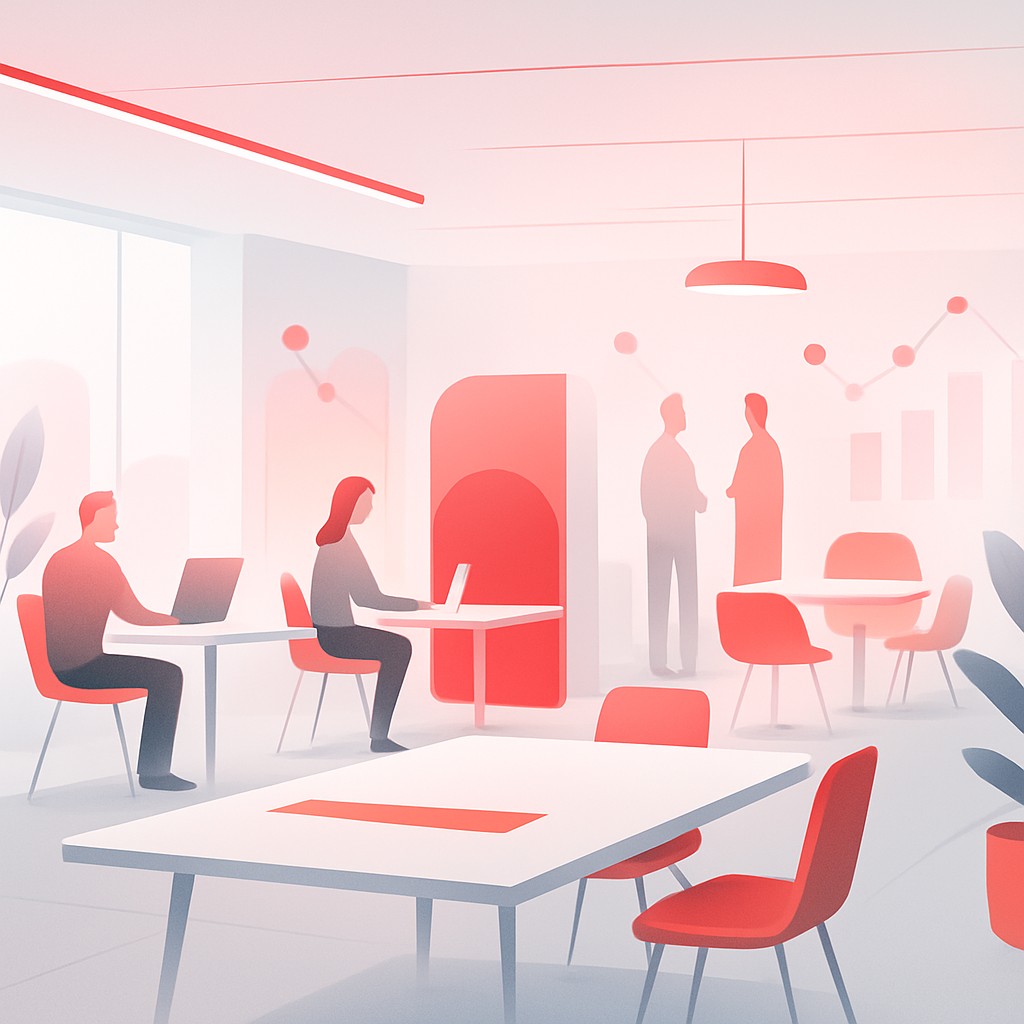
The Rise of Co-working in Poland
Poland has emerged as one of Europe's most dynamic hubs for startups, freelancers, and remote workers, and co-working spaces have grown alongside this momentum. These flexible workspaces offer an appealing alternative to traditional offices, providing professional environments without long-term leases or heavy overheads. From bustling Warsaw to creative Krakow and tech-forward Wroclaw, co-working venues have become vibrant centers of collaboration and innovation.
The appeal lies in flexibility and community. Members can scale their space up or down as needs change, access premium amenities, and tap into networks of like-minded professionals. For companies embracing hybrid work, co-working spaces also serve as satellite offices and meeting hubs.
Leading Co-working Spaces
Business Link operates a network of premium co-working locations across major Polish cities, offering elegant interiors, comprehensive business services, and strong community programming. Brain Embassy in Warsaw is renowned for its creative, design-led spaces that foster collaboration and wellbeing, attracting both startups and established companies.
Regus and Spaces, part of the IWG group, provide extensive coverage with professional environments suited to corporate users and growing teams. Mindspace delivers boutique, beautifully designed spaces with a focus on member experience and events, while WeWork-style operators bring international standards to prime locations.
Cluster and O4 Coworking in Tricity have built strong reputations within the local tech and maritime business communities. The Heart and various startup-focused hubs offer accelerator programs alongside desk space, supporting early-stage ventures. Quickwork and Loft Aparts cater to freelancers seeking affordable, flexible arrangements.
Regional independents and specialized creative studios round out the landscape, each offering distinct atmospheres tailored to particular industries and communities. Whether you need a quiet desk or a buzzing collaborative environment, Poland's co-working scene offers compelling options.
Amenities and Community
Modern co-working spaces compete on the quality of their amenities. High-speed internet, ergonomic furniture, meeting rooms, and well-stocked kitchens are standard. Premium venues add phone booths, event spaces, wellness rooms, and concierge services that elevate the daily experience.
Beyond physical features, community is a major draw. The best spaces curate networking events, workshops, and social gatherings that help members build relationships and grow their businesses. This sense of belonging distinguishes a great co-working space from a simple rented desk.
Choosing the Right Space
Selecting a co-working space depends on your priorities. Consider location and commute, the type of membership that suits your needs, and the atmosphere that will keep you productive. Some professionals thrive in lively, social environments, while others prefer quiet, focused settings.
Evaluate the quality of meeting facilities, the reliability of infrastructure, and the strength of the community. Many spaces offer day passes or trial periods, allowing you to test the fit before committing. Pricing transparency and flexible contract terms are also important factors.
Conclusion
Co-working spaces have transformed how people work in Poland, offering flexibility, community, and inspiration in equal measure. The venues highlighted here lead the market through thoughtful design, excellent amenities, and vibrant member communities. For freelancers, startups, and established companies alike, the right co-working space can be a powerful catalyst for productivity and growth.
