
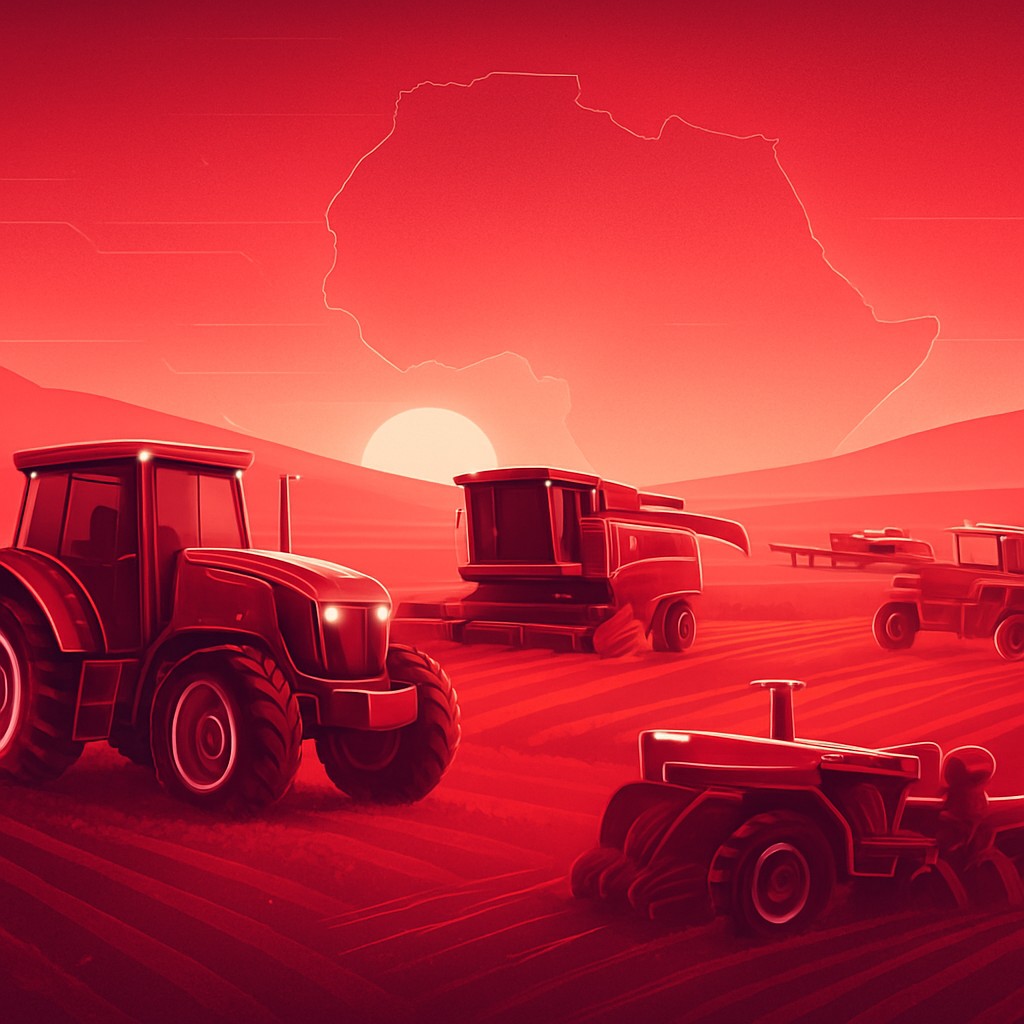
Mechanisation Driving Agricultural Progress
As Senegal works to modernise its agricultural sector and increase productivity, the role of quality farm machinery has become increasingly important. Agricultural equipment, from tractors and tillers to harvesters and irrigation systems, enables farmers to cultivate larger areas, reduce labour intensity, and improve yields. The brands behind this machinery are essential partners in the nation's agricultural transformation, supplying the tools that turn ambition into harvest.
Mechanisation is a key pillar of Senegal's strategy to boost food production and reduce dependence on imports. With government support and growing private investment, demand for reliable, affordable, and durable agricultural equipment continues to rise. The leading brands combine performance, accessibility, and strong after-sales support to meet the diverse needs of Senegalese farmers.
Why Equipment Brands Matter
The choice of agricultural equipment brand has a profound impact on a farm's productivity and profitability. Reliable machinery reduces downtime, while fuel efficiency lowers operating costs. Durability ensures equipment can withstand demanding conditions, and strong service networks guarantee that repairs and spare parts are available when needed.
The best brands offer machinery suited to local conditions, including equipment appropriate for both large commercial farms and smaller operations. They also provide training, financing options, and technical support that help farmers adopt mechanisation successfully. These factors make brand reputation a critical consideration for buyers.
Leading Agricultural Equipment Brands
John Deere is globally renowned for its tractors and harvesters, valued in Senegal for durability, performance, and a strong reputation among commercial farmers.
Massey Ferguson offers a versatile range of tractors well suited to diverse farming needs, popular for reliability and accessible service.
New Holland provides advanced machinery including tractors and harvesting equipment, appreciated for innovation and efficiency.
Kubota is known for compact, fuel-efficient tractors and equipment ideal for smaller farms and horticultural operations.
Mahindra delivers affordable, robust tractors that appeal to cost-conscious farmers seeking dependable performance.
SAME offers durable tractors and machinery designed to handle challenging field conditions common in the region.
Sonalika has gained popularity for value-driven tractors that combine affordability with solid reliability.
Case IH provides powerful equipment for larger commercial operations, with a focus on productivity and advanced features.
Landini supplies versatile tractors suited to a range of crops and farm sizes, valued for their balance of power and economy.
Valtra rounds out the list with reliable, comfortable machinery designed to support efficient, modern farming.
Trends in Agricultural Equipment
Several trends are shaping the agricultural equipment market in Senegal. Affordability and financing are central, as access to credit and flexible payment options determines how widely mechanisation can spread, particularly among smallholder farmers. Fuel efficiency is increasingly important amid rising operating costs and environmental awareness.
Equipment suited to local conditions, including machinery for irrigation and horticulture, is in growing demand as farming diversifies. After-sales support and spare parts availability remain decisive factors, since equipment that cannot be serviced quickly loses much of its value. There is also rising interest in modern technologies such as precision agriculture tools that optimise inputs and improve yields.
Supporting Farmers' Success
The right equipment brand does more than sell machinery; it becomes a long-term partner in a farmer's success. Reliable equipment increases the area that can be cultivated, improves the timeliness of planting and harvesting, and reduces the physical burden of farm work. This translates into higher yields, lower costs, and greater profitability.
For Senegal as a whole, widespread adoption of quality machinery supports the broader goals of food security, rural development, and agricultural modernisation. Brands that combine performance with accessibility and support play a crucial role in achieving these objectives.
Conclusion
Agricultural equipment brands are key enablers of Senegal's farming revolution. The brands featured here have earned their reputations through reliability, performance, and strong support networks. As mechanisation continues to spread and farming becomes increasingly modern and productive, these brands will remain essential partners, equipping Senegalese farmers with the tools they need to feed the nation and prosper.
