
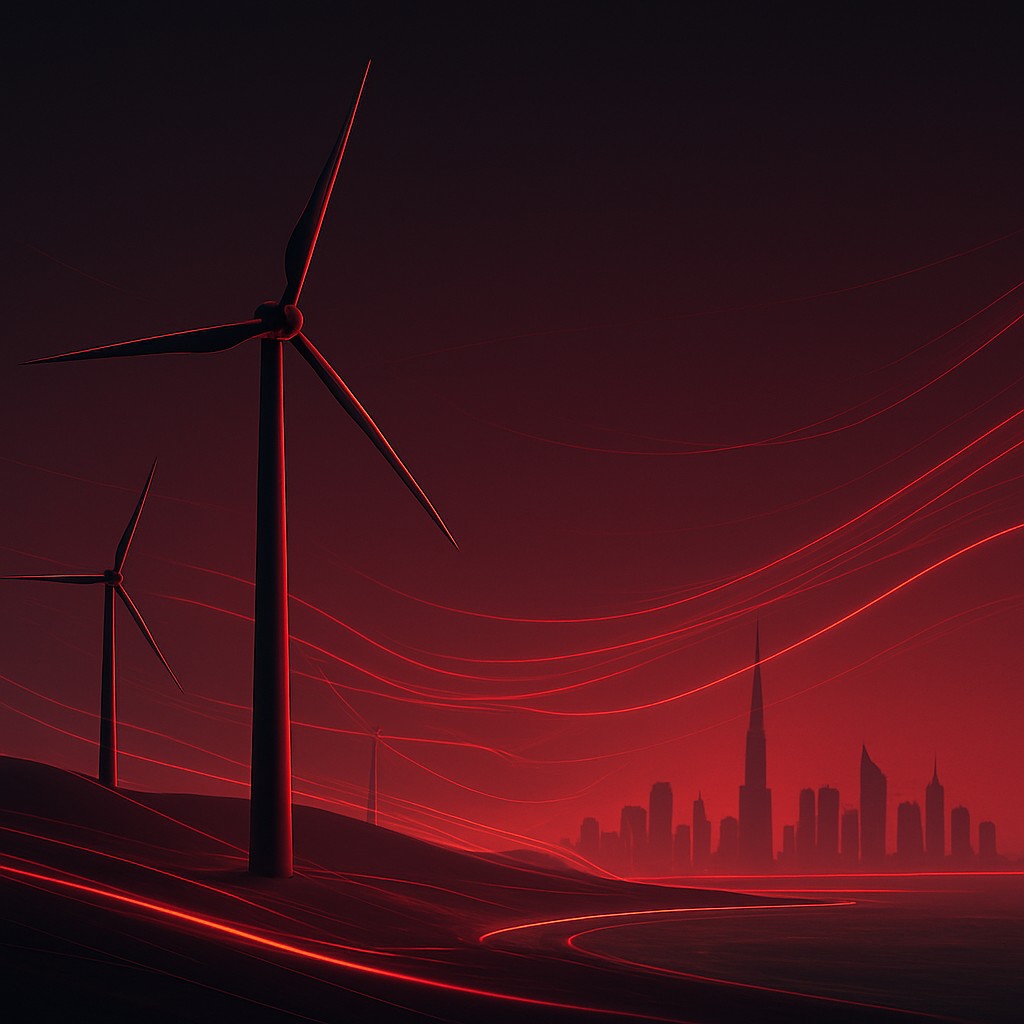
Wind Energy's Growing Role in the UAE
While the United Arab Emirates is best known for its solar resources, wind energy is emerging as an important complement to the country's clean energy portfolio. Advances in turbine technology have made it possible to generate electricity even in regions with moderate wind speeds, opening new opportunities across the Emirates. The companies leading this effort are expanding the boundaries of what is possible and contributing to a more diverse and resilient energy system.
The UAE's pursuit of wind power reflects its broader commitment to renewable energy and economic diversification. By harnessing multiple clean energy sources, the country reduces its reliance on any single technology and strengthens the reliability of its power supply. Wind energy, particularly when combined with solar and storage, helps balance generation across different times of day and seasons.
Why Wind Energy Matters
Wind power offers several advantages within a diversified energy mix. It can generate electricity at times when solar output is lower, such as at night, providing valuable complementarity. Modern turbines are highly efficient and can be deployed both onshore and, in some markets, offshore, expanding the range of viable locations. For the UAE, developing wind expertise also positions local companies to participate in the rapidly growing global wind market.
The leading wind energy companies bring together project development, engineering, and operational expertise. They assess wind resources, design and build wind farms, and manage them over their operational lives. Many UAE-based firms also apply this expertise internationally, developing wind projects in markets around the world.
Leading Wind Energy Companies
Masdar is the clear leader in the UAE's wind energy ambitions, with a substantial portfolio of wind projects spanning multiple continents. Domestically, it pioneered the country's first major wind programme, demonstrating that wind power is viable in the Gulf's conditions. Internationally, Masdar has invested in large offshore and onshore wind farms, making it one of the most active wind developers headquartered in the region.
AMEA Power, a UAE-based developer, has built an impressive portfolio of wind projects across emerging markets, complementing its solar developments. TAQA, the Abu Dhabi National Energy Company, includes wind assets within its broader power portfolio and continues to explore renewable opportunities. These companies bring the financial strength and technical capability needed to develop large-scale wind projects.
International turbine manufacturers and developers maintain a presence in the UAE, partnering on projects and supplying advanced technology. Engineering, procurement, and construction firms operating in the region contribute the specialised skills required to build wind installations. Consultancies offering wind resource assessment and feasibility studies support the early stages of project development.
As the sector matures, additional developers, service providers, and technology suppliers are entering the market, building a growing ecosystem of wind energy expertise. Government entities responsible for energy procurement and planning also play a vital role, creating the frameworks that enable wind projects to move forward. Together these participants are laying the foundations for a stronger wind industry.
Key Activities in Wind Energy
Wind energy companies in the UAE and the wider region engage in a range of activities. Resource assessment is the essential first step, using sophisticated measurement and modelling to identify suitable sites. Project development follows, encompassing financing, permitting, and the design of the wind farm layout to maximise output.
Construction involves the transport and installation of large turbines, a complex logistical undertaking that requires specialised equipment and expertise. Once operational, wind farms require ongoing operation and maintenance to ensure reliable performance, including the monitoring of turbine health and the timely replacement of components. Many companies also integrate wind with storage and other technologies to optimise the value of the energy produced.
Trends Shaping Wind Energy
The wind sector is being driven by continual improvements in turbine technology, which have increased efficiency and lowered costs. Larger, more advanced turbines can capture more energy from lower wind speeds, making projects viable in a wider range of locations. The integration of wind with solar and storage is creating hybrid projects that deliver more consistent power.
The UAE's expertise, developed through its domestic and international projects, positions its companies to benefit from the global expansion of wind energy. As demand for clean power grows worldwide, the skills and capital accumulated in the Emirates are increasingly being deployed across international markets, creating new opportunities for growth.
Harnessing the Power of the Wind
The wind energy companies active in the UAE are expanding the country's clean energy horizons and contributing to a more diverse and resilient power system. Through pioneering domestic projects and ambitious international investments, they are demonstrating the potential of wind power and building valuable expertise. As the Emirates continues its clean energy journey, wind energy will play an increasingly important role, complementing solar power and helping to secure a sustainable future.
