
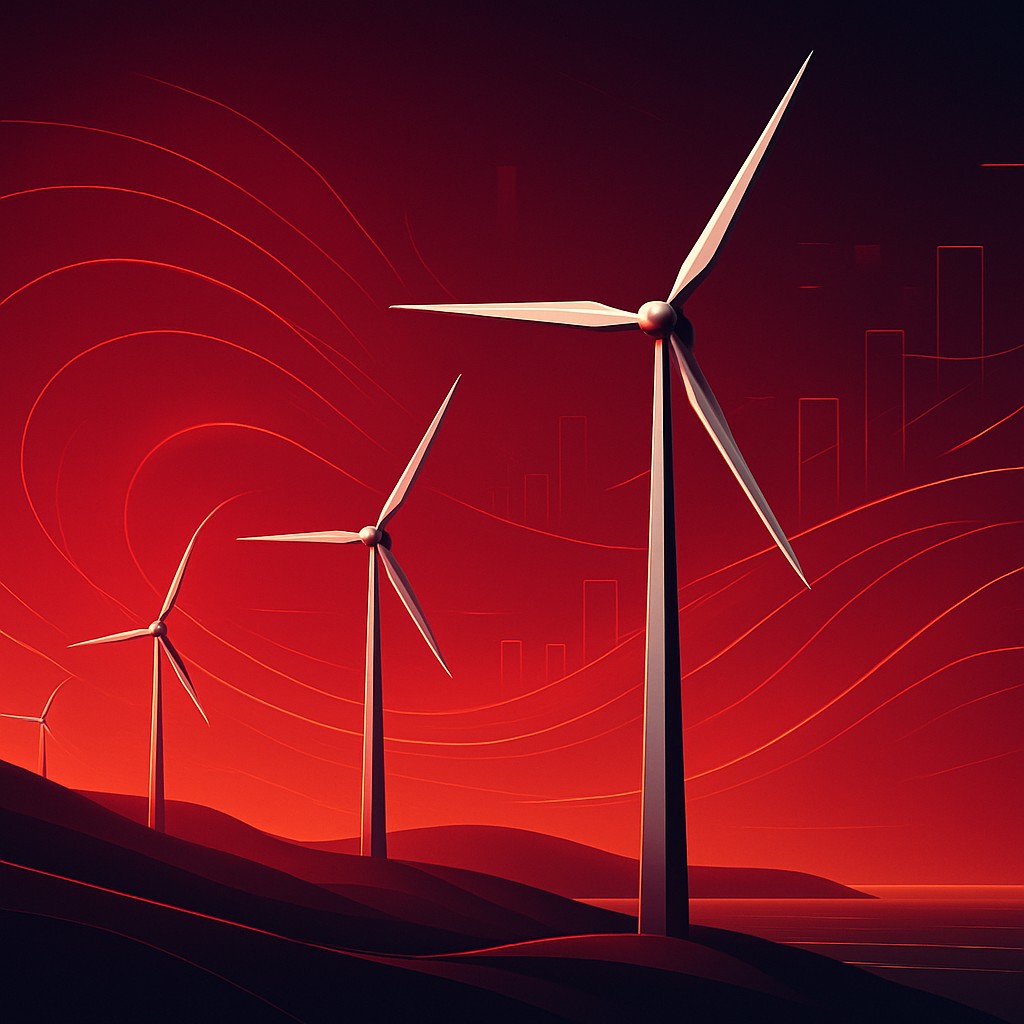
Harnessing Romania's Wind Potential
Wind energy has become one of the most important pillars of Romania's renewable power sector. The country enjoys exceptional wind resources, particularly in the Dobrogea region between the Danube and the Black Sea, where consistent and powerful winds make conditions ideal for electricity generation. This area is home to some of the largest onshore wind farms in Europe, and it has positioned Romania as a significant player in the continental wind market.
Wind power offers a clean, abundant, and increasingly cost-competitive source of electricity. As Romania pursues its decarbonisation goals and seeks greater energy independence, the companies developing and operating wind assets are playing a central role. The organisations below lead the way in turning the country's wind into reliable green power.
The Top Wind Energy Companies
1. CEZ Group Romania operates one of the largest onshore wind complexes in Europe, located in the Dobrogea region, making it a flagship of Romanian wind energy.
2. Monsson is a leading domestic developer with comprehensive expertise across wind project development, construction, and long-term operations and maintenance.
3. Enel Green Power Romania has been a pioneer of wind development in the country, operating substantial capacity and championing sustainable practices.
4. OMV Petrom has incorporated wind into its expanding renewable portfolio as part of its broader energy transition strategy.
5. Rezolv Energy is developing major wind projects alongside solar, reflecting strong investor appetite for large-scale Romanian renewables.
Developers, Operators, and Service Providers
6. Engie Romania contributes to the wind sector through development and green energy supply, serving both corporate and residential customers.
7. Electrica is broadening its renewable footprint, including wind generation, supported by its extensive national presence.
8. Premier Energy integrates wind generation into a diversified energy portfolio spanning electricity and gas supply.
9. Vestas Romania, as part of the global turbine manufacturer, supplies and services much of the wind turbine fleet operating across the country.
10. Wpd Romania is an experienced international developer advancing onshore wind projects and exploring the country's emerging offshore potential.
Onshore and Offshore Opportunities
To date, Romania's wind development has been overwhelmingly onshore, concentrated in the high-yield Dobrogea region. These farms benefit from strong, steady winds and proximity to grid infrastructure. However, attention is increasingly turning to offshore wind in the Black Sea, which holds enormous untapped potential. New legislation and growing investor interest suggest that offshore projects could become a major source of clean energy in the coming decade, further strengthening Romania's renewable credentials.
Benefits of Wind Energy
Wind power delivers numerous advantages. It generates electricity without emissions or fuel costs, helping Romania reduce its carbon footprint and reliance on imported energy. Modern turbines are highly efficient, and onshore wind is among the most cost-competitive sources of new electricity generation. Wind farms also bring investment and employment to rural areas, supporting local economies through construction, maintenance, and land-lease revenues.
Trends Shaping the Sector
Several developments are driving the wind industry forward. Repowering, the replacement of older turbines with larger and more efficient models, is increasing output from existing sites. Corporate power purchase agreements are providing developers with long-term revenue certainty. Energy storage and improved grid management are helping to integrate variable wind generation more smoothly. Above all, the prospect of Black Sea offshore wind represents a transformative opportunity that could redefine Romania's energy landscape.
Choosing a Wind Energy Partner
For investors and large energy consumers, selecting a wind partner involves assessing development experience, technical capability, financial strength, and a track record of delivering projects on time. The quality of turbines and the reliability of operations and maintenance services are also crucial for long-term performance. Strong relationships with local communities and authorities further support successful project delivery.
The Dobrogea Wind Cluster
The Dobrogea region deserves special mention as the heartland of Romanian wind energy. Situated between the Danube River and the Black Sea, it combines consistently strong winds with relatively flat terrain and good access to the electricity grid, creating near-ideal conditions for large onshore wind farms. The concentration of projects in this area has fostered local expertise in construction, operation, and maintenance, and has brought significant investment and employment to a region that historically relied on agriculture. Dobrogea stands as a powerful example of how natural advantages, when matched with investment and know-how, can turn a region into a renewable energy powerhouse.
Technology and Efficiency Gains
Wind turbine technology has advanced remarkably, and these improvements are central to the sector's competitiveness. Modern turbines feature larger rotors, taller towers, and more sophisticated control systems that capture more energy even at moderate wind speeds. Digital monitoring and predictive maintenance reduce downtime and extend asset life, while improved forecasting helps operators integrate wind power more smoothly into the grid. These efficiency gains continue to lower the cost of wind-generated electricity, reinforcing its role as one of the most economical and scalable sources of clean power available to Romania.
Conclusion
Wind energy is a cornerstone of Romania's clean energy ambitions, powered by world-class natural resources and an experienced industry. The companies highlighted here are leading the charge, operating major onshore farms today while preparing for the offshore opportunities of tomorrow. As Romania continues its transition to a sustainable energy future, wind power will remain a vital and growing contributor to the national grid.
