
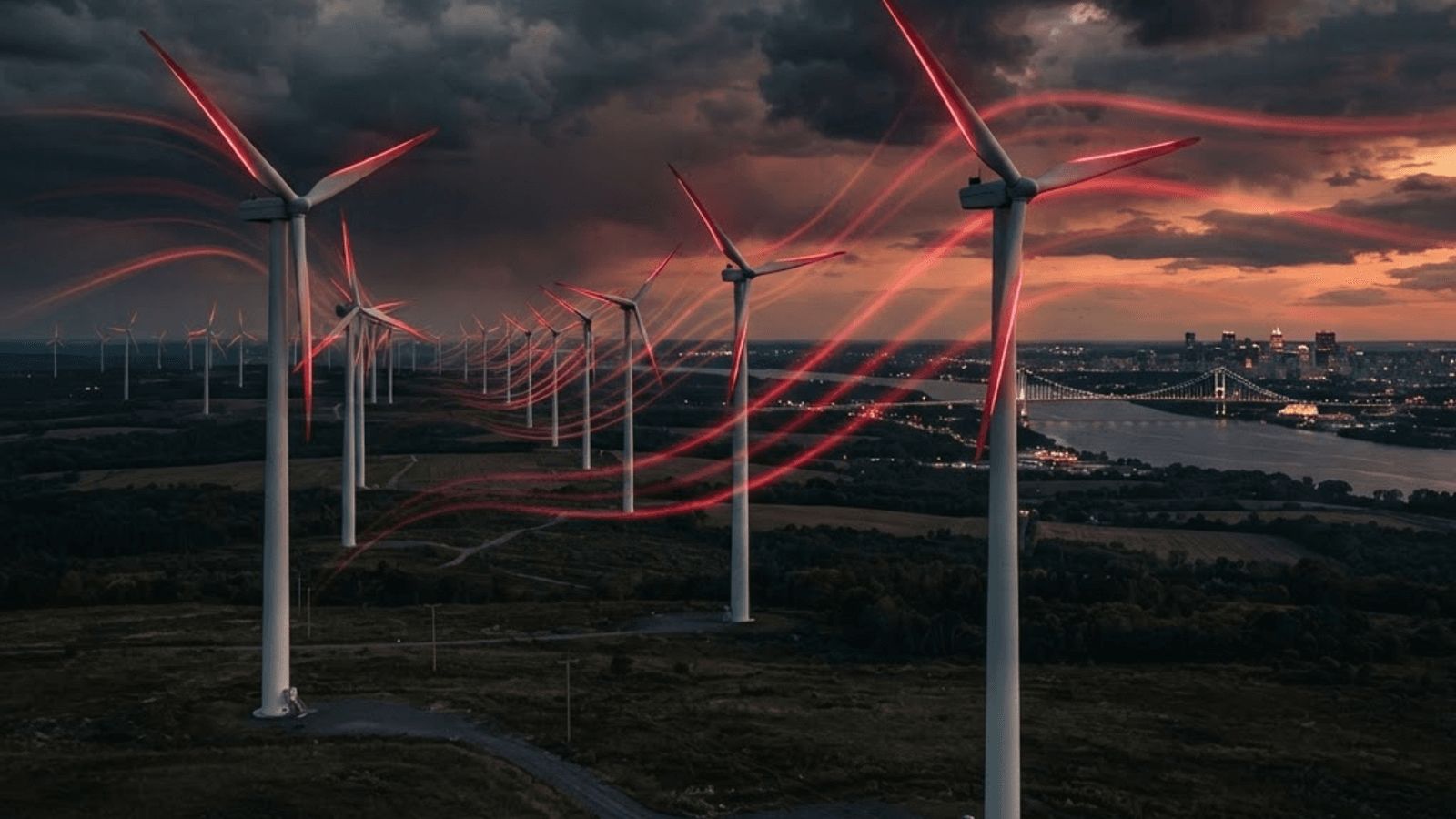
Wind Energy and the Kentucky Context
Kentucky is not a leading wind generation state, and understanding why is essential to evaluating the sector honestly. The commonwealth's average wind speeds at typical turbine hub heights are lower than those across the Great Plains corridor, and its rolling terrain creates turbulence that reduces efficiency. As a result, utility-scale wind farms within Kentucky remain limited compared with neighboring Illinois, Indiana, and Ohio.
That does not mean wind is irrelevant to Louisville. The city participates in the wind economy through three channels: purchasing wind-generated electricity from regional markets, manufacturing and fabricating turbine components, and deploying distributed or small-scale wind in specific applications. Each channel supports a distinct set of companies, and Louisville's industrial base makes the manufacturing dimension particularly meaningful.
How Louisville Businesses Access Wind Power
Most Louisville organizations that use wind energy do so contractually rather than physically. Renewable energy certificates and virtual power purchase agreements allow a company to fund and claim wind generation located wherever the resource is strongest, while drawing electricity from the local grid. For corporations with sustainability commitments, this is often the most cost-effective path to meaningful emissions reduction.
Green tariff programs offered through utilities provide a simpler version of the same idea, bundling renewable supply into a rate structure without requiring the customer to negotiate a separate energy contract. Larger industrial loads in the region increasingly evaluate these options alongside on-site solar.
Companies Connecting Louisville to Wind Energy
NextEra Energy Resources is among the largest wind generators in North America and a frequent counterparty for corporate power purchase agreements serving Midwestern and Ohio Valley buyers, including Kentucky-based manufacturers seeking renewable supply.
Invenergy develops and operates wind projects across the region and structures offtake arrangements that allow Louisville commercial and industrial customers to procure wind generation from nearby states through the regional transmission market.
EDP Renewables North America operates a substantial Midwestern wind portfolio and works with corporate buyers on long-term contracts, giving Louisville-headquartered companies a route to fixed-price renewable electricity.
Apex Clean Energy focuses on utility-scale wind and storage development and has been active in the broader region, offering both project development expertise and commercial procurement structures relevant to Kentucky energy buyers.
Louisville Gas and Electric plays an intermediary role, and its renewable programs and evolving generation portfolio determine how easily local customers can secure documented clean energy without contracting independently.
Tennessee Valley Authority supplies portions of Kentucky and maintains wind purchase agreements within its generation mix, meaning some regional customers receive wind-derived electricity through their standard utility service.
Bernhard and comparable energy infrastructure firms provide engineering and energy-as-a-service arrangements that let Louisville institutions such as hospitals and universities integrate renewable procurement, including wind contracts, into broader campus energy strategies.
Broadwind manufactures wind towers and precision gearing components, and companies in this segment source fabrication and logistics services through the Ohio Valley industrial corridor that includes Louisville's metalworking and heavy-haul capabilities.
GE Vernova maintains a major presence in Louisville through its long-standing Appliance Park industrial footprint and its broader energy business, and its turbine technology and service organization connect the city directly to global wind manufacturing.
Bergey Windpower represents the distributed and small wind segment, supplying turbines suited to farms, rural properties, and remote loads across Kentucky where grid extension is costly and average wind speeds at the site are adequate.
The Manufacturing and Logistics Angle
Louisville's most durable connection to wind energy may be industrial rather than generational. Turbine components are extraordinarily large and heavy, and moving blades, towers, and nacelles requires specialized transportation, route planning, and permitting. The city's position on the Ohio River, its interstate access, and its concentration of logistics expertise make it a natural staging and transit point for wind cargo moving toward Midwestern project sites.
Component fabrication is also relevant. Wind turbines require large castings, forgings, precision bearings, gearboxes, and structural steel, all of which fall within the capabilities of the region's manufacturing base. As domestic content requirements tightened under recent federal policy, suppliers in the Ohio Valley have seen renewed interest from turbine manufacturers seeking to localize supply chains.
Realistic Expectations for Local Wind
Prospective buyers should be candid about small wind economics in the Louisville area. Residential wind turbines rarely make financial sense in suburban or urban settings, where buildings and trees create turbulence and reduce output well below manufacturer ratings. Zoning restrictions and noise considerations add further constraints. In most Jefferson County residential contexts, solar delivers substantially better returns per dollar invested.
Rural agricultural properties with open exposure and higher average wind speeds present a genuinely different calculation, particularly where a turbine can offset irrigation or livestock operation loads. Site-specific wind measurement over at least a full season is the only reliable basis for that decision.
Final Thoughts
Wind energy reaches Louisville primarily through contracts, manufacturing, and logistics rather than local turbines on the horizon. The companies above reflect that reality, spanning national developers, utility programs, component manufacturers, and small wind suppliers. Businesses pursuing renewable goals in the region should evaluate wind procurement alongside on-site solar and efficiency measures, since the most effective strategies typically combine all three.
