
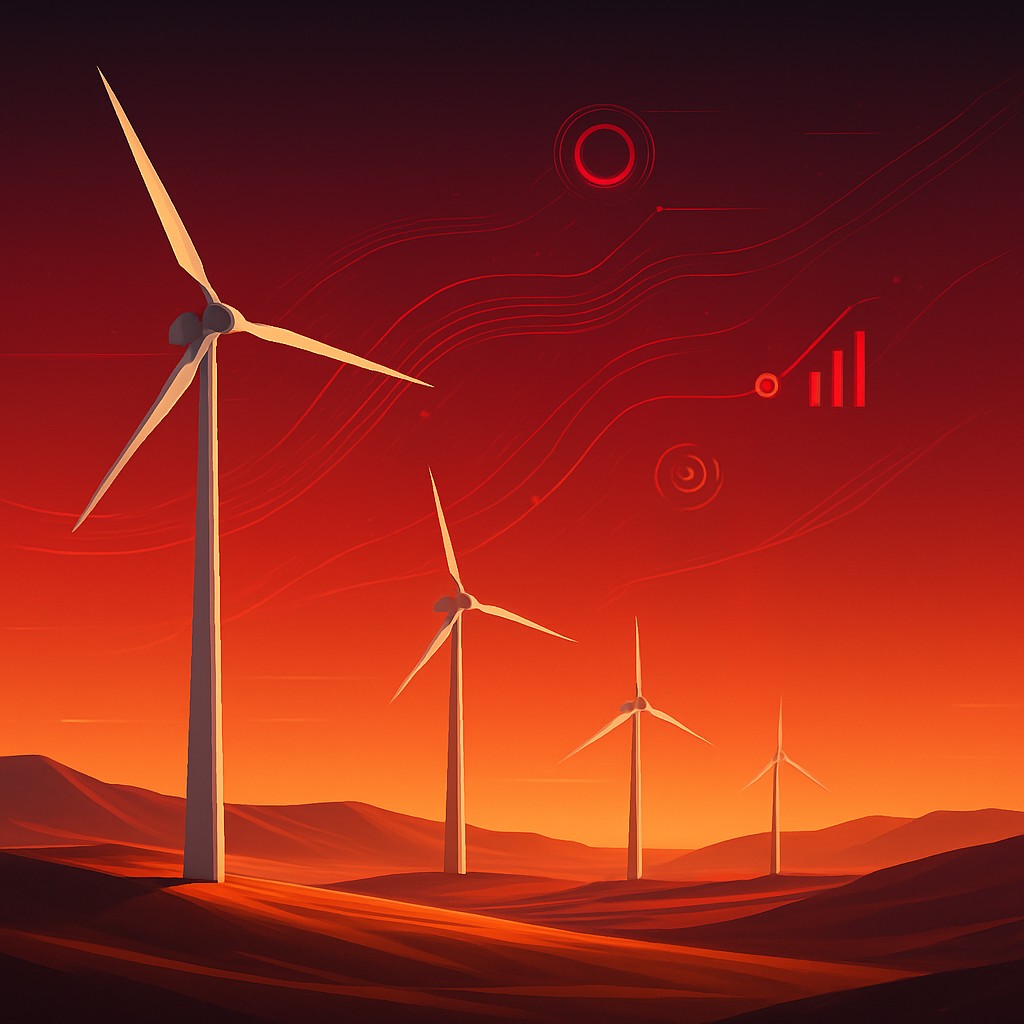
Algeria's Growing Appetite for Wind Power
Algeria has long been recognized as an energy powerhouse, thanks to its vast hydrocarbon reserves. In recent years, however, the country has begun a deliberate pivot toward renewable energy, with wind power emerging as one of the most promising sectors. The high-plateau regions and the southern desert corridors offer some of the most consistent wind speeds in North Africa, creating ideal conditions for utility-scale wind farms. As national policy increasingly favors energy diversification, wind energy companies are stepping forward to design, build, and maintain the turbines that will help reshape Algeria's electricity mix.
The momentum behind wind power is driven by several converging factors: rising domestic electricity demand, a desire to preserve valuable gas reserves for export, and international commitments to reduce carbon emissions. Together, these pressures have created fertile ground for both domestic firms and international developers to invest in Algerian wind projects.
What Makes a Leading Wind Energy Company
The best wind energy companies in Algeria distinguish themselves through a combination of engineering expertise, project financing capability, and long-term maintenance commitments. Wind energy is capital intensive, and developing a successful project requires careful site assessment, accurate wind resource modeling, and robust grid-integration planning. Companies that excel in these areas tend to deliver projects that operate reliably for decades.
Equally important is local capability. Firms that train Algerian engineers, source components regionally where possible, and build durable relationships with national grid operators are best positioned to thrive. This local-first approach helps reduce operational costs while supporting the broader goal of building a self-sustaining renewable energy industry within the country.
Leading Players Shaping the Sector
Several companies have become recognized names in Algeria's wind energy landscape. Sonelgaz Renewable Energies, an arm of the national utility group, plays a central role in coordinating large-scale renewable deployment and integrating wind capacity into the national grid. Its scale and government backing make it a cornerstone of the sector.
Shariket Kahraba wa Taket Moutadjadida (SKTM) is another influential player, dedicated specifically to renewable generation and the operation of clean energy assets across the country. SKTM has been instrumental in pilot wind installations, including early demonstration projects that proved the technical viability of wind power in Algerian conditions.
International engineering and turbine specialists such as Vestas and Siemens Gamesa have also contributed turbine technology and technical know-how to Algerian projects, often partnering with local entities to deliver turnkey installations. Their global experience helps ensure that Algerian wind farms meet international performance and safety standards.
The Adrar Wind Farm and Beyond
One of the most symbolic achievements in Algeria's wind journey is the pioneering wind farm in the Adrar region, which demonstrated that desert-edge sites could generate meaningful clean electricity. This project served as a learning laboratory, providing valuable data on turbine performance in dusty, high-temperature environments. Lessons from Adrar continue to inform the design of newer, larger installations planned across the high plateaus.
Companies active in the sector are increasingly focused on optimizing turbines for the specific challenges of the Algerian climate, including sand abrasion, extreme heat, and variable wind patterns. This specialized engineering knowledge is becoming a key differentiator among the top firms.
Industry Trends and Future Outlook
The Algerian wind sector is benefiting from broader national renewable targets that envision a significant share of electricity coming from clean sources in the coming decades. As these targets translate into tenders and procurement programs, wind energy companies are expanding their capabilities in project development, financing, and operations and maintenance.
Hybrid projects that combine wind with solar and storage are also gaining attention, allowing developers to deliver more stable, around-the-clock power. The companies that master this integrated approach are likely to lead the next phase of growth.
Benefits for the Algerian Economy
Beyond clean electricity, the expansion of wind energy brings substantial economic benefits. Local job creation, skills development, and the gradual emergence of a domestic supply chain all contribute to long-term value. Wind projects also help diversify the economy away from its heavy reliance on hydrocarbons, building resilience against volatile global energy markets.
Conclusion
Algeria's wind energy sector is still in its early chapters, but the foundations are being laid by a group of capable and committed companies. From national champions like Sonelgaz and SKTM to global technology leaders, these firms are turning the country's abundant wind resources into reliable, sustainable power. As policy support strengthens and experience accumulates, the leading wind energy companies in Algeria are poised to play a defining role in the nation's clean energy transition.
