
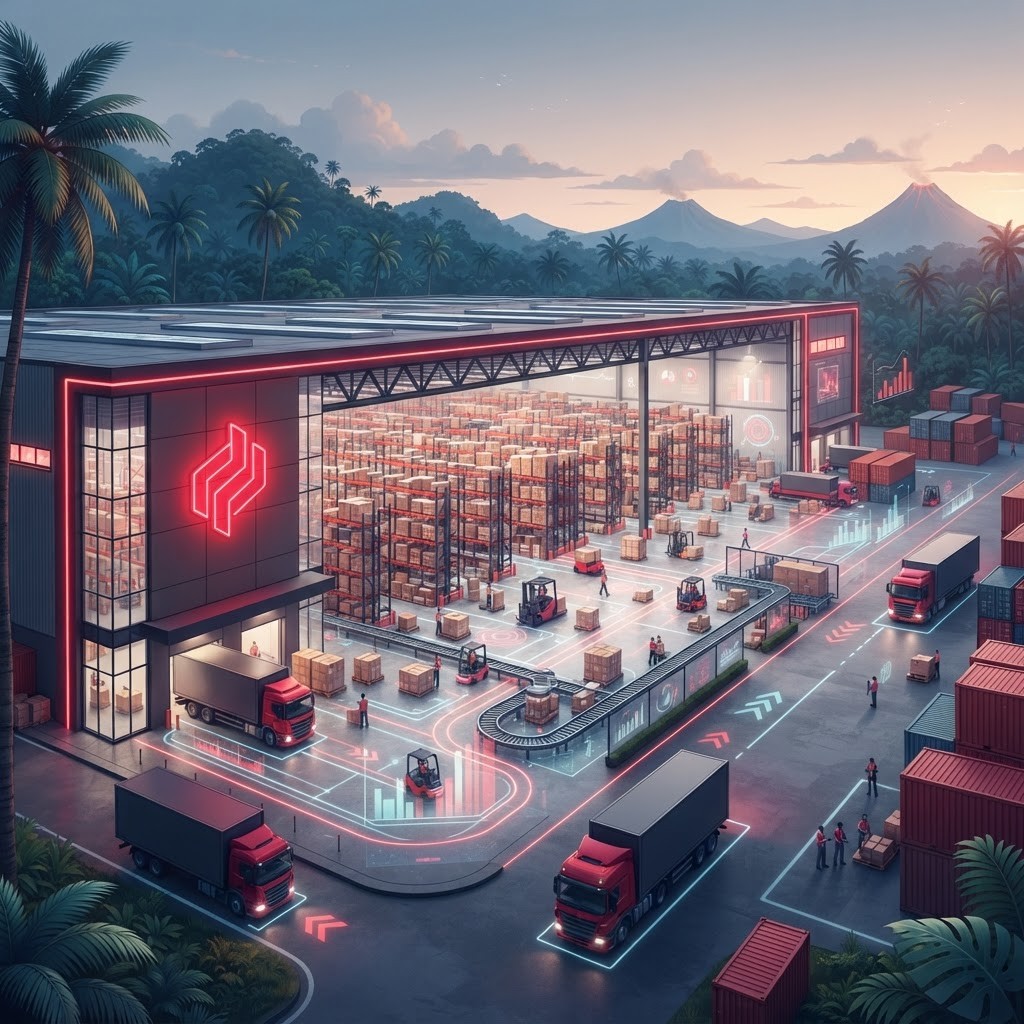
The Growing Importance of Warehousing in Nicaragua
Nicaragua occupies a strategic position within Central America, serving as a bridge between North and South American markets. As trade volumes expand and regional integration deepens, warehousing has evolved from simple storage into a sophisticated discipline that combines inventory management, distribution, cold chain logistics, and value-added services. Businesses across retail, agriculture, manufacturing, and e-commerce increasingly rely on professional warehousing providers to keep goods moving efficiently and cost-effectively.
The country's proximity to major shipping lanes, its access to both Pacific and Caribbean ports, and its participation in regional free-trade frameworks have made modern warehousing infrastructure essential. Companies that invest in secure facilities, temperature control, and technology-driven inventory systems are helping Nicaraguan enterprises compete on a wider stage.
What Sets the Best Warehousing Companies Apart
Leading warehousing operators distinguish themselves through several key factors. Location matters enormously, with the best facilities positioned near Managua, the ports of Corinto and Puerto Cabezas, and key border crossings. Security is another differentiator, as reputable providers offer surveillance, controlled access, and insured storage. Increasingly, technology plays a defining role, with warehouse management systems, barcode tracking, and real-time inventory visibility becoming standard among premium providers.
Flexibility is equally valued. The strongest companies offer scalable space, allowing seasonal businesses and growing enterprises to adjust their footprint. Value-added services such as picking and packing, labeling, kitting, and last-mile coordination further separate the leaders from basic storage operators.
Top Warehousing Companies to Consider
Almacenadora LAFISE is widely recognized as one of the most established names in Nicaraguan warehousing. As part of a broader regional financial and commercial group, it offers general and bonded warehousing, inventory financing, and customs support, making it a preferred partner for importers and exporters.
Almacenes de Depósito Financiero (ALDEFI) provides bonded and general storage with a strong focus on secure, insured facilities. The company is known for its transparent inventory reporting and its ability to support businesses that require certified warehouse receipts for financing.
Grupo Q Logistics extends the reach of a well-known regional automotive and distribution group into warehousing and fulfillment, offering organized storage, spare-parts management, and efficient distribution networks across the country.
Transaereo Cargo combines freight forwarding with warehousing, giving clients an integrated solution that spans air and ocean cargo handling, temporary storage, and onward distribution. Its expertise in customs coordination is particularly valuable for international shippers.
DHL Global Forwarding Nicaragua brings international standards to the local market, offering bonded warehousing, distribution, and supply chain consulting backed by global technology platforms and rigorous safety protocols.
Aduanera Ancla specializes in customs-linked warehousing, helping importers manage bonded goods, temporary storage, and clearance in a single coordinated process that reduces delays and paperwork.
Logística Total Nicaragua focuses on flexible, technology-enabled storage for growing retail and e-commerce businesses, with scalable space and fulfillment services designed for companies expanding their online presence.
Cold Storage Nicaragua serves the agricultural and food-processing sectors with temperature-controlled facilities essential for preserving perishable exports such as seafood, dairy, and fresh produce.
Depósito Aduanero Público del Pacífico leverages its proximity to Pacific port operations to offer efficient bonded storage and rapid throughput for containerized cargo.
Servicios Logísticos Integrados rounds out the list with a comprehensive approach that blends warehousing, transportation, and distribution management for manufacturers and distributors seeking a single logistics partner.
Industry Trends Shaping the Sector
Several trends are reshaping warehousing in Nicaragua. Digitalization stands out, as more operators adopt warehouse management software that provides clients with real-time inventory data and predictive stock planning. The rise of e-commerce has driven demand for fulfillment-oriented facilities capable of handling smaller, more frequent orders with rapid turnaround.
Cold chain expansion is another significant development, driven by Nicaragua's important agricultural export industries. Investment in refrigerated storage and monitored transport helps producers maintain quality from farm to destination market. Sustainability is also gaining traction, with energy-efficient lighting, solar installations, and optimized routing reducing both costs and environmental impact.
How to Choose the Right Warehousing Partner
Selecting a warehousing company requires careful evaluation of your specific needs. Businesses should consider the type of goods being stored, required security levels, and whether specialized conditions such as refrigeration are necessary. Location relative to ports, suppliers, and customers directly affects transportation costs and delivery speed.
It is also wise to assess a provider's technology capabilities, financial stability, and range of value-added services. Companies that offer customs support and inventory financing can simplify operations considerably for importers and exporters. Ultimately, the best partner is one whose capacity, expertise, and service culture align with your growth plans.
Conclusion
Warehousing has become a cornerstone of Nicaragua's expanding economy, enabling businesses to store, manage, and distribute goods with greater efficiency than ever before. The companies highlighted here represent the leading edge of the sector, combining strategic locations, modern technology, and comprehensive services. As trade continues to grow and supply chains become more complex, partnering with a reliable warehousing provider will remain a critical decision for any enterprise seeking to thrive in the Nicaraguan market.
