
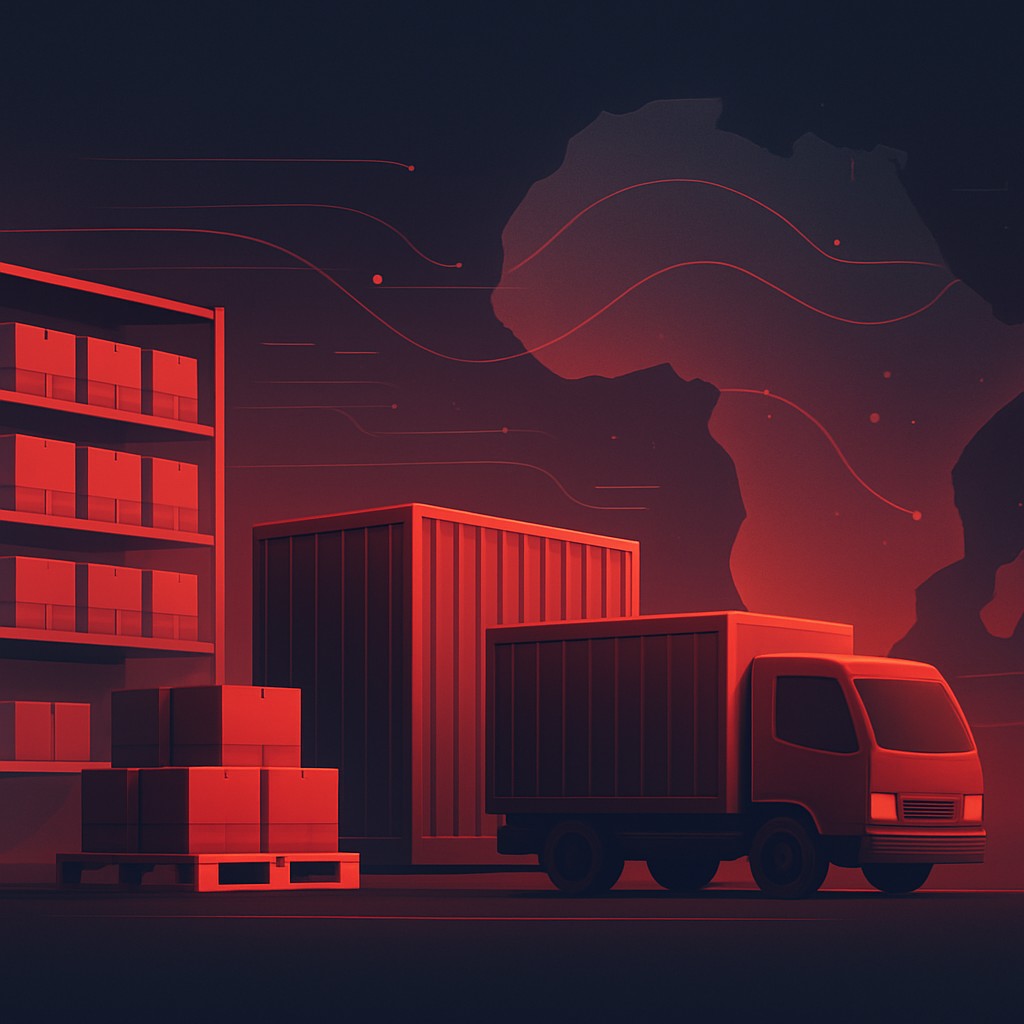
The Growing Importance of Warehousing in Mali
Mali's economy is increasingly tied to trade, agriculture, and the movement of goods across West Africa. As a landlocked nation bordering seven countries, efficient warehousing has become a cornerstone of national commerce. Reliable storage facilities help businesses manage seasonal harvests, imported consumer goods, and the steady flow of merchandise that travels along the Bamako–Dakar and Bamako–Abidjan corridors. The warehousing sector has matured significantly, with companies investing in temperature control, security systems, and inventory management technology to meet rising demand.
What Makes a Warehousing Company Stand Out
The best warehousing providers in Mali combine strategic location with operational excellence. Proximity to Bamako, the country's commercial heart, allows for faster distribution, while access to major transport routes ensures goods reach regional markets without delay. Leading firms differentiate themselves through climate-controlled storage for perishables, robust fire and theft protection, and digital tracking systems that give clients real-time visibility into their inventory. Flexibility is equally important, as many Malian businesses require both short-term overflow space and long-term contractual storage.
Leading Warehousing Companies Serving Mali
Bolloré Logistics has long maintained a strong presence in Mali, offering integrated warehousing and freight forwarding services that connect local businesses to global supply chains. Their facilities are known for professional handling of bonded goods and customs-related storage. DHL Global Forwarding also serves the Malian market with secure warehousing tied to its international express network, making it a preferred choice for companies importing high-value electronics and pharmaceuticals.
Maersk and its logistics arm provide containerized storage solutions that benefit importers managing large shipments arriving through coastal ports. Damco, with its focus on supply chain coordination, supports agricultural exporters who need dependable staging areas for cotton and other commodities. Locally, Société Malienne de Transit et de Consignation has built a reputation for understanding the unique regulatory environment of Mali, offering tailored storage near key transit points.
Specialized Storage and Cold Chain Solutions
Several companies have invested in cold chain infrastructure to support Mali's food and healthcare sectors. Geodis offers temperature-sensitive warehousing that protects vaccines, dairy products, and fresh produce from spoilage in the country's hot climate. This capability has proven vital for distributing medical supplies to clinics across the regions. Agility Logistics complements this with project cargo storage, serving mining operations and construction firms that require secure space for heavy equipment and spare parts.
Technology and Modern Inventory Management
Modern warehousing in Mali is no longer simply about physical space. Forward-thinking companies such as Necotrans and GETMA have adopted warehouse management systems that automate stock counting, reduce human error, and streamline order fulfillment. Barcode scanning, RFID tagging, and cloud-based dashboards allow clients to monitor their goods remotely. This digital shift has improved transparency and trust, encouraging more local enterprises to outsource their storage needs rather than maintaining costly private facilities.
Supporting Mali's Agricultural Backbone
Agriculture remains central to Mali's economy, and warehousing companies play a critical role in preserving the value of crops. Firms specializing in grain and cotton storage help farmers avoid post-harvest losses by providing pest-controlled, well-ventilated silos and warehouses. These facilities enable producers to sell at optimal market prices rather than during gluts. Companies that offer aggregation points in rural areas also reduce transportation costs and connect smallholder farmers to larger buyers.
Choosing the Right Warehousing Partner
When selecting a warehousing company in Mali, businesses should evaluate location, security standards, scalability, and the provider's experience with relevant goods. A firm handling pharmaceuticals must demonstrate strict cold chain compliance, while an exporter of cotton benefits from partners familiar with bonded and customs storage. Reputation, references, and the quality of customer service often distinguish the truly reliable providers from the rest. Insurance coverage and clear contractual terms are also essential safeguards.
The Future of Warehousing in Mali
As regional integration deepens and e-commerce gradually takes root, demand for sophisticated warehousing in Mali is expected to climb. Investment in automation, renewable energy for facility operations, and improved road links will further strengthen the sector. The companies that continue to innovate while maintaining dependable service will remain at the forefront. For any business operating in Mali, partnering with a trusted warehousing provider is a strategic decision that directly influences efficiency, cost control, and long-term growth.
