
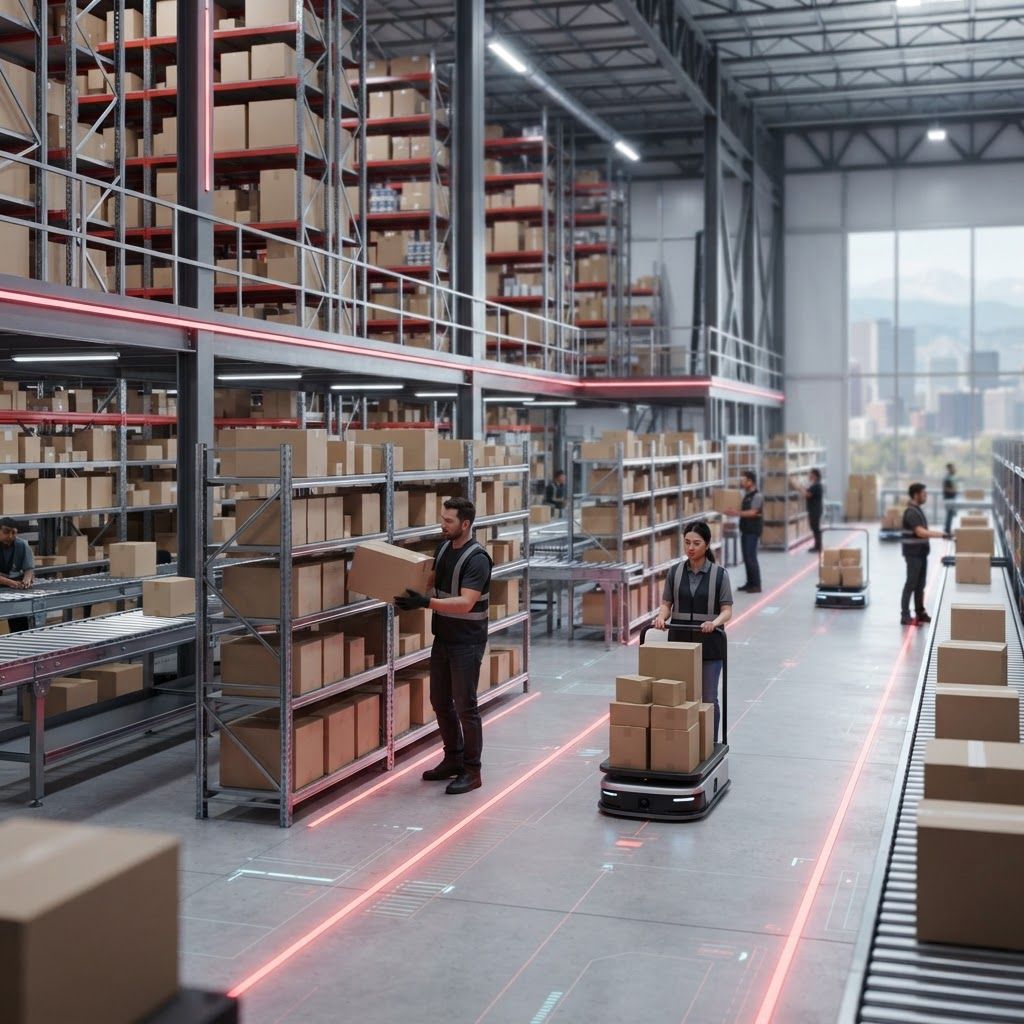
The Strategic Importance of Warehousing in Denver
As a central distribution hub for the Rocky Mountain region, Denver has become a magnet for warehousing and distribution operations. Its location along major interstate corridors, combined with access to rail lines and Denver International Airport, allows companies to store and move goods efficiently throughout the western United States. The rise of e-commerce and the demand for faster delivery have further fueled the growth of sophisticated warehousing services in the metro area.
Modern warehousing goes far beyond simple storage. Today's leading providers offer integrated solutions that include inventory management, order fulfillment, cross-docking, and value-added services. For businesses seeking to optimize their supply chains, choosing the right warehousing partner in Denver can be a decisive competitive advantage.
Leading Warehousing Providers in the Region
National third-party logistics companies such as XPO Logistics and DHL Supply Chain operate substantial warehousing facilities in the Denver area, offering scalable solutions backed by advanced technology and extensive resources. These providers serve enterprises with complex distribution needs, delivering the infrastructure and expertise required to manage high volumes efficiently.
Regional specialists also play a vital role. Companies like Front Range Warehousing and Mile High Distribution provide flexible storage and fulfillment services tailored to the needs of local and mid-sized businesses. These providers often distinguish themselves through personalized service, responsive support, and deep familiarity with the regional market. Cold storage specialists such as Colorado Cold Chain cater to the food and pharmaceutical industries, maintaining strict temperature controls for perishable and sensitive products.
Key Warehousing Services and Capabilities
The best warehousing companies in Denver offer a comprehensive suite of services. Inventory management systems provide real-time visibility into stock levels, helping businesses avoid shortages and overstocking. Order fulfillment services, including pick, pack, and ship operations, enable e-commerce companies to meet customer expectations for fast and accurate delivery. Cross-docking capabilities allow goods to move quickly from inbound to outbound transport without long-term storage, reducing handling costs and speeding up distribution.
Value-added services such as kitting, labeling, assembly, and returns processing further enhance the appeal of top providers. Many warehouses now integrate directly with popular e-commerce platforms and enterprise systems, allowing seamless data exchange and automated workflows. This technological integration is increasingly essential for businesses that demand efficiency and accuracy.
What to Consider When Choosing a Warehouse Partner
Selecting a warehousing provider requires careful evaluation of several factors. Location is critical, as proximity to transportation hubs and customer bases affects delivery speed and cost. Capacity and scalability matter too, ensuring that a warehouse can accommodate seasonal fluctuations and future growth. Technology capabilities, including warehouse management systems and real-time tracking, are increasingly important for maintaining visibility and control.
Reliability, security, and cleanliness are also essential considerations. A well-run warehouse protects inventory from damage, theft, and spoilage while maintaining accurate records. Businesses should look for providers with strong reputations, appropriate certifications, and a proven track record of meeting commitments.
Trends Shaping the Warehousing Industry
Automation is transforming warehousing in Denver and beyond. Robotics, automated storage and retrieval systems, and advanced sorting technology are boosting efficiency and accuracy while reducing labor costs. Data analytics and artificial intelligence help operators optimize inventory placement, predict demand, and streamline operations. Sustainability is also a growing focus, with companies investing in energy-efficient buildings, solar power, and eco-friendly packaging.
The demand for micro-fulfillment centers located closer to urban populations reflects the ongoing shift toward faster delivery. As these trends continue, Denver's warehousing industry is well positioned to support the evolving needs of businesses across the region. By partnering with a capable warehousing provider, companies in the Mile High City can build resilient, efficient supply chains that keep pace with a rapidly changing marketplace.
