
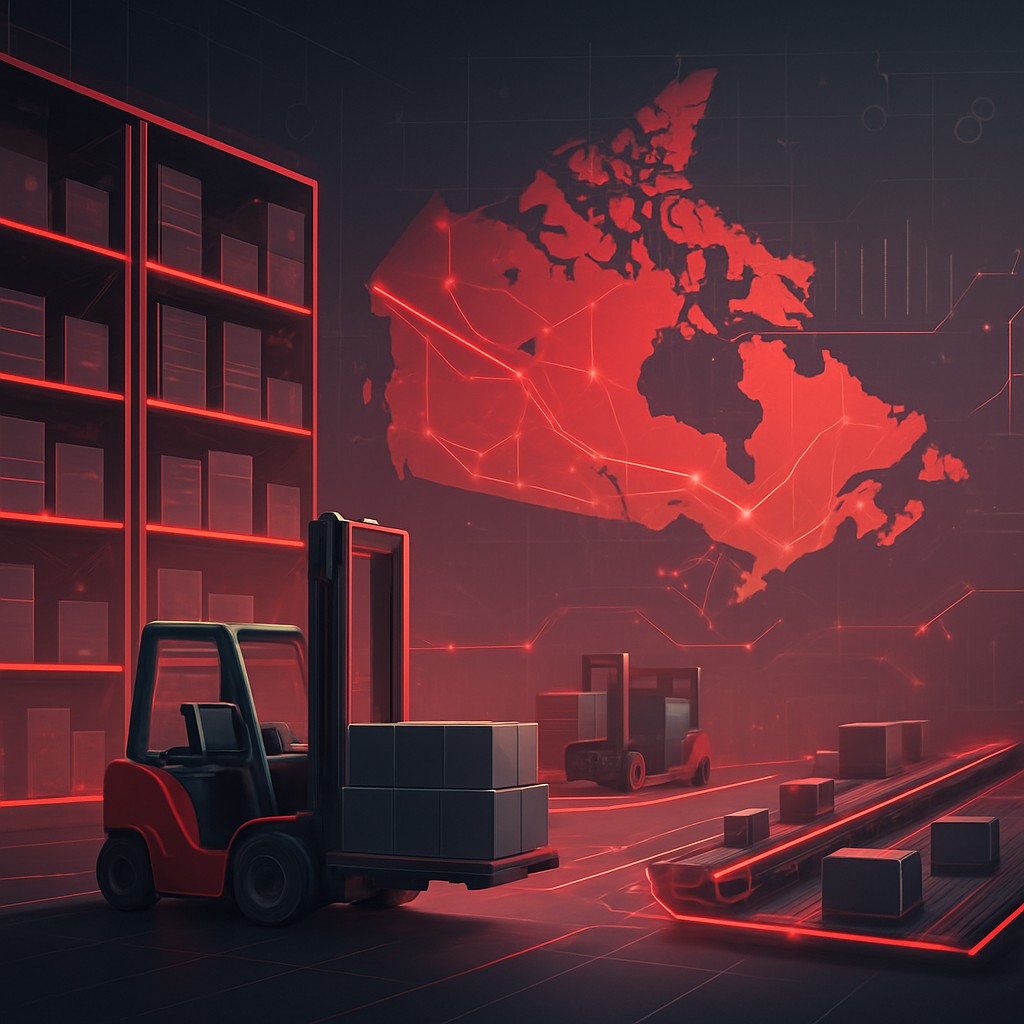
The Backbone of Canadian Supply Chains
Warehousing is the silent engine behind every successful Canadian retailer, manufacturer, and e-commerce brand. As consumer expectations for fast, accurate delivery continue to rise, warehousing companies across Canada have evolved from simple storage facilities into sophisticated logistics hubs. These providers now combine vast square footage with automation, inventory intelligence, and nationwide distribution networks that connect coast to coast.
From the busy ports of Vancouver to the industrial corridors of Ontario and Quebec, Canada's warehousing sector supports industries as diverse as retail, healthcare, automotive, and agriculture. The companies leading this space have invested heavily in technology and talent to keep goods moving efficiently across one of the largest countries in the world.
What Makes a Great Warehousing Company
The best warehousing companies in Canada share several defining characteristics. They offer strategically located facilities near major highways, rail lines, and ports to minimize transit times. They embrace warehouse management systems that provide real-time inventory visibility, reducing errors and stockouts. They also prioritize scalability, allowing businesses to expand storage and fulfillment capacity during seasonal peaks without long-term commitments.
Temperature-controlled storage, bonded warehousing for international shipments, and value-added services like kitting, labelling, and returns processing further distinguish top providers. Increasingly, sustainability has become a deciding factor, with leading companies adopting energy-efficient buildings, electric material-handling equipment, and optimized routing to reduce their carbon footprint.
Leading Warehousing Providers Across Canada
Several companies have earned reputations as trusted national leaders. Purolator Logistics is widely recognized for its extensive Canadian footprint and integrated parcel and freight capabilities. Metro Supply Chain delivers tailored contract logistics for major retailers and brands, with a strong emphasis on automation and customer service. DSV Canada brings global scale and advanced freight forwarding to its warehousing operations, making it a favourite for businesses with international supply chains.
Day & Ross offers reliable distribution and warehousing solutions backed by decades of Canadian transportation experience. SCI Logistics specializes in retail and healthcare supply chains, providing dedicated and shared warehousing models. Kuehne+Nagel Canada combines worldwide expertise with localized service, particularly for pharmaceutical and high-value goods.
Other notable names include APPS Cargo Terminals, known for cross-border efficiency; Ryder Supply Chain Solutions, which blends fleet management with warehousing; GEODIS Canada, offering omnichannel fulfillment; and ATS Logistics, valued for flexible third-party logistics arrangements. Together, these companies form a robust ecosystem capable of serving businesses of every size.
Technology Driving the Industry Forward
Modern Canadian warehouses look very different from those of a decade ago. Robotics, conveyor automation, and goods-to-person picking systems have dramatically increased throughput. Artificial intelligence now forecasts demand, optimizes slotting, and predicts maintenance needs before equipment fails. Internet of Things sensors monitor temperature, humidity, and security in real time, ensuring product integrity for sensitive shipments.
Cloud-based warehouse management platforms give clients transparent dashboards to track inventory levels, order status, and fulfillment performance. This visibility helps businesses make smarter purchasing decisions and respond quickly to shifting market conditions. The integration of warehousing with transportation management has also streamlined the journey from receiving dock to customer doorstep.
Industry Trends Shaping the Future
The growth of e-commerce remains the single biggest driver of warehousing demand in Canada. Consumers expect same-day and next-day delivery, pushing companies to build smaller urban fulfillment centres closer to population hubs. Nearshoring and supply-chain resilience have become priorities following global disruptions, encouraging more domestic storage capacity.
Sustainability initiatives are accelerating, with green-certified buildings, solar installations, and electric forklifts becoming standard among premium providers. Labour challenges have spurred further automation, while data analytics continues to refine every step of the storage and distribution process.
How to Choose the Right Warehousing Partner
Selecting a warehousing company should begin with a clear understanding of your product type, volume, and geographic distribution needs. Evaluate location proximity to your customers and suppliers, the provider's technology capabilities, and the flexibility of contract terms. Ask about scalability for peak seasons, accuracy rates, and the breadth of value-added services available.
References, certifications, and a strong track record in your specific industry are equally important. A reliable partner should function as an extension of your own team, offering proactive communication and continuous improvement. By aligning your operational goals with a provider's strengths, you can build a supply chain that supports long-term growth.
Conclusion
Canada's warehousing companies are essential partners in keeping the nation's economy moving. Whether you need temperature-controlled storage, cross-border distribution, or full e-commerce fulfillment, the providers highlighted here represent the best the country has to offer. By choosing a partner that matches your needs and embraces innovation, your business can deliver faster, smarter, and more sustainably than ever before.
