
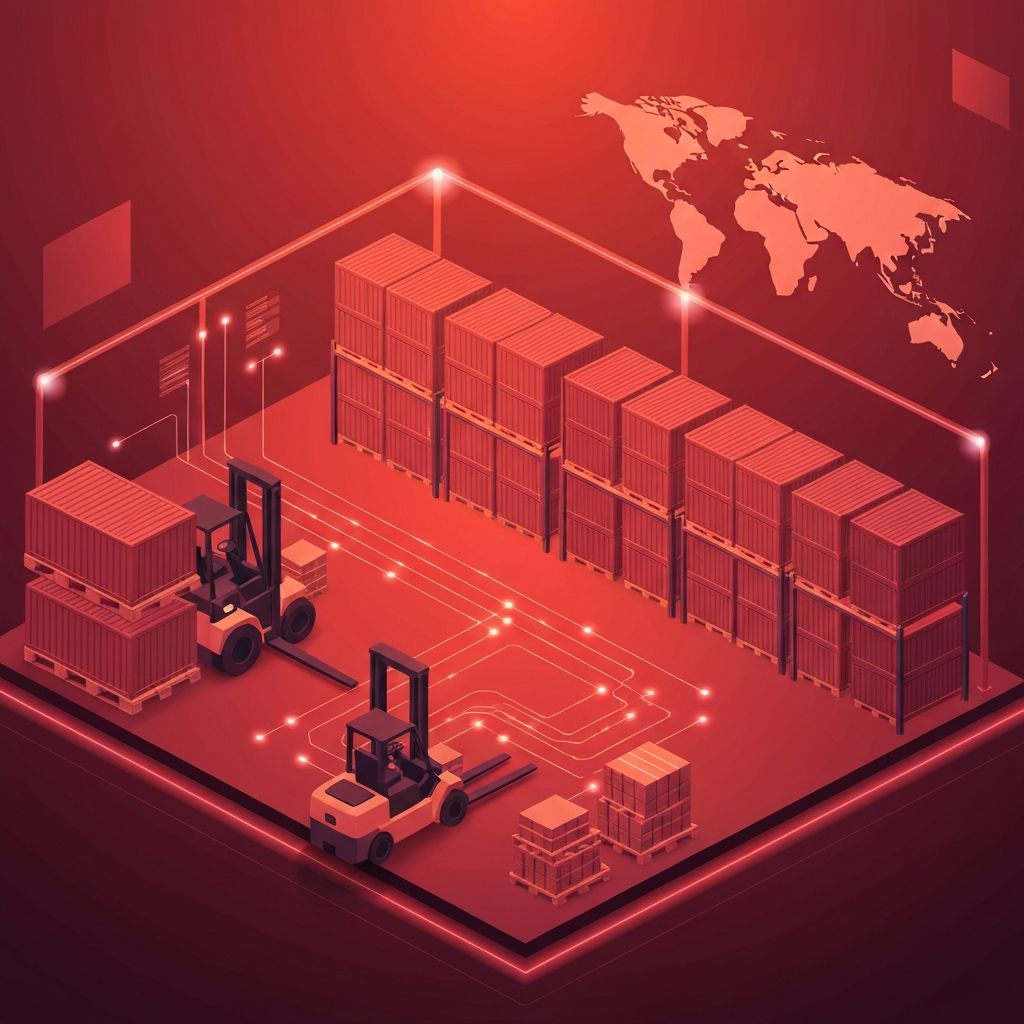
The Warehousing Industry in Bangladesh
Bangladesh's economy has grown rapidly, driven by its booming ready-made garment sector, expanding e-commerce, and increasing imports. Behind every successful supply chain is a robust warehousing network. Modern warehouses in Bangladesh are no longer simple storage facilities; they are sophisticated logistics hubs offering inventory management, temperature control, last-mile distribution, and value-added services.
This article highlights the top ten warehousing companies that are setting benchmarks in efficiency, technology, and reliability across the country.
1. DHL Supply Chain Bangladesh
DHL is a global leader in logistics, and its Bangladesh operations offer world-class warehousing solutions. The company provides bonded warehousing, contract logistics, and inventory management services to multinational clients in the RMG, pharmaceuticals, and FMCG sectors.
2. Maersk Bangladesh
Maersk operates integrated logistics hubs in Chattogram and Dhaka, offering warehousing, customs clearance, and distribution services. Its facilities are designed to handle high-volume cargo with precision and security.
3. Expolanka Bangladesh
Expolanka is a leading freight forwarder with significant warehousing operations in Bangladesh. The company supports garment manufacturers and retailers with consolidation, deconsolidation, and bonded warehousing services.
4. Continental Aviation Services
Continental specializes in air freight and warehousing near Hazrat Shahjalal International Airport. Its temperature-controlled facilities are ideal for perishables, pharmaceuticals, and high-value electronics.
5. K Line Logistics Bangladesh
K Line offers comprehensive warehousing and distribution services, particularly for the automotive and industrial sectors. Its facilities feature modern racking systems, WMS software, and 24/7 security.
6. Daraz Fulfillment Center
As Bangladesh's largest e-commerce platform, Daraz operates extensive fulfillment centers across the country. These facilities handle millions of SKUs and enable next-day delivery for thousands of online shoppers.
7. Chaldal Warehouse Network
Chaldal, the country's leading online grocery, runs a network of micro-warehouses strategically placed across Dhaka and Chattogram. Their dark-store model ensures grocery deliveries within an hour.
8. Golden Harvest Agro Industries
Golden Harvest operates one of the largest cold storage and frozen logistics networks in Bangladesh. With state-of-the-art temperature-controlled warehouses, it serves the food, pharma, and dairy industries nationwide.
9. Summit Alliance Port Limited (SAPL)
SAPL is the largest off-dock container terminal operator in Bangladesh, offering bonded and non-bonded warehousing facilities near Chattogram Port. It plays a critical role in import-export logistics for RMG and other industries.
10. Pendulum Group Logistics
Pendulum offers warehousing, transportation, and customs brokerage services. With facilities in Dhaka, Chattogram, and Khulna, the company supports a wide range of industries including textiles, electronics, and consumer goods.
Key Features of Modern Warehousing in Bangladesh
Today's leading warehouses in Bangladesh integrate advanced features such as Warehouse Management Systems (WMS), barcode and RFID scanning, automated racking, and real-time inventory tracking. Cold storage capabilities have become essential, particularly for pharmaceuticals and frozen foods, while bonded warehouses are critical for the export-driven garment industry.
Trends Shaping the Industry
The growth of e-commerce has triggered a wave of demand for fulfillment centers, micro-warehouses, and last-mile distribution hubs. Additionally, the rise of third-party logistics (3PL) providers has allowed smaller businesses to access enterprise-grade warehousing without heavy capital investment. Sustainability is also gaining attention, with companies adopting solar-powered facilities and eco-friendly packaging.
Choosing the Right Warehousing Partner
When selecting a warehousing partner, businesses should consider location, capacity, technology infrastructure, security, and value-added services such as pick-and-pack, labeling, and reverse logistics. Bonded warehouse status, certifications, and proven experience in the relevant industry are also important factors.
Conclusion
The warehousing industry in Bangladesh has matured into a sophisticated ecosystem supporting the country's economic ambitions. The companies highlighted above represent the gold standard in logistics infrastructure. With continued investment in technology and infrastructure, Bangladesh's warehousing sector is well-positioned to support the next phase of economic growth.
