
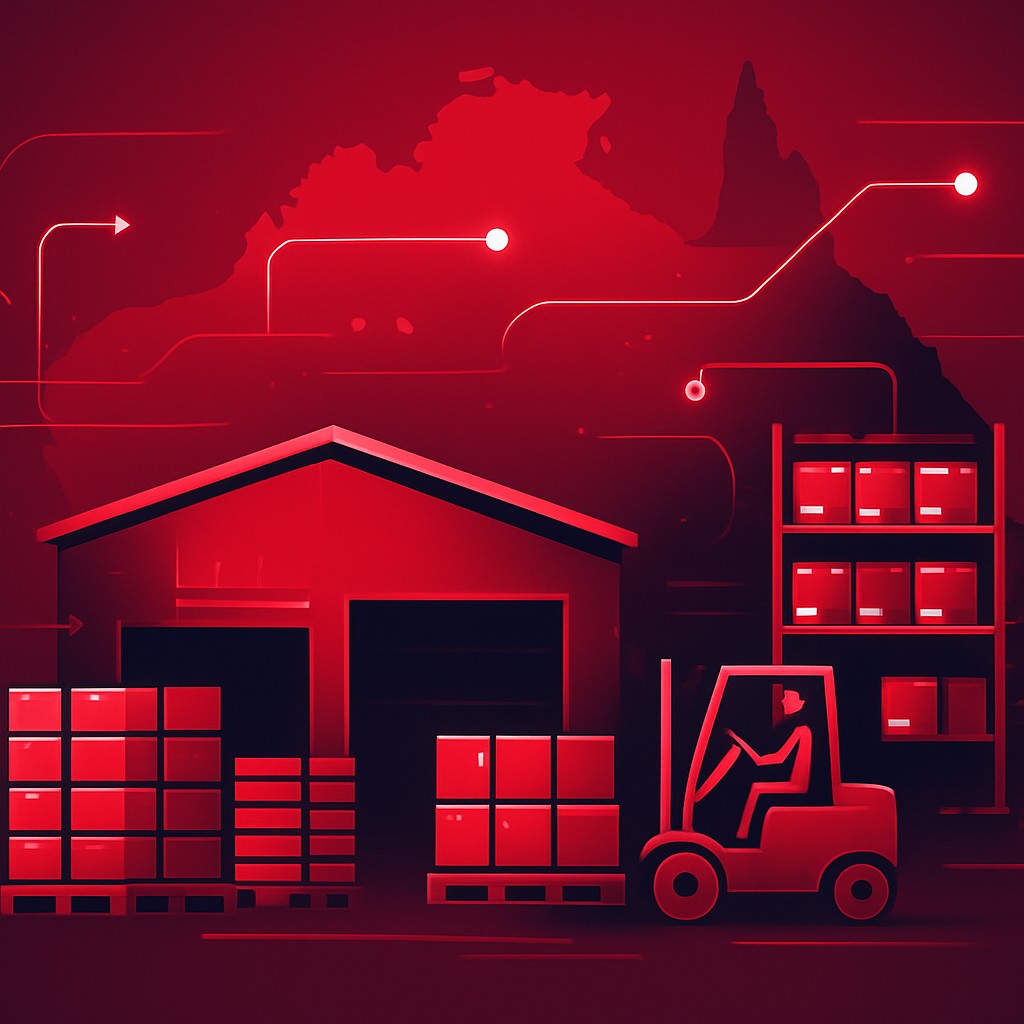
The Critical Role of Warehousing
Warehousing forms the silent backbone of Australia's economy, enabling goods to flow smoothly from manufacturers and importers to retailers and consumers. As e-commerce reshapes shopping habits and supply chains grow more complex, the demand for efficient, technology-enabled warehousing has never been higher. Modern facilities are no longer simple storage sheds but sophisticated hubs offering inventory management, order fulfilment, and value-added services.
Australia's geography, with major population centres separated by vast distances, makes strategic warehouse placement essential. The leading providers operate networks of distribution centres positioned near ports, airports, and transport corridors to minimise transit times and costs.
What Sets Top Warehousing Providers Apart
The best warehousing companies combine scale with flexibility. They offer climate-controlled and specialised storage, advanced warehouse management systems, robust security, and seamless integration with transport and e-commerce platforms. Automation, including robotics and conveyor systems, increasingly drives efficiency, while sustainability initiatives such as solar power and energy-efficient design reflect evolving industry priorities.
The Leading Warehousing Companies
Toll Group operates one of the largest logistics networks in the Asia-Pacific, providing comprehensive warehousing, distribution, and supply chain solutions across diverse industries.
Linfox is a privately owned logistics leader with extensive warehousing capabilities, serving major retail, industrial, and consumer goods clients nationwide.
DHL Supply Chain brings global expertise to the Australian market, offering technology-driven warehousing and contract logistics for multinational and local businesses.
CEVA Logistics delivers integrated warehousing and freight management with a strong focus on automotive, technology, and consumer sectors.
DB Schenker provides reliable warehousing and distribution backed by a worldwide logistics network and advanced supply chain systems.
Mainfreight offers warehousing and transport solutions known for their service culture and trans-Tasman reach.
Australia Post (StarTrack) supports e-commerce fulfilment with strategically located distribution centres and strong last-mile connectivity.
Kuehne+Nagel combines global scale with local knowledge, delivering contract logistics and specialised warehousing services.
Silk Logistics focuses on port logistics, warehousing, and distribution, particularly strong in handling imported goods.
efm Logistics rounds out the list with a managed logistics model that connects clients to a network of warehousing and transport partners.
Technology and Automation in the Warehouse
Warehousing has undergone a technological revolution. Warehouse management systems track inventory in real time, reducing errors and improving order accuracy. Automated storage and retrieval systems, robotic pickers, and barcode and RFID scanning accelerate fulfilment while lowering labour costs. Data analytics help forecast demand, optimise stock levels, and prevent costly stockouts or overstocking.
For e-commerce businesses, integration between warehouse systems and online stores enables rapid order processing and dispatch, meeting the rising consumer expectation of fast delivery. Third-party logistics providers offer scalable solutions that allow growing businesses to expand without heavy capital investment in their own facilities.
Sustainability in Modern Warehousing
Environmental responsibility has become a key consideration. Leading warehouses incorporate solar panels, LED lighting, rainwater harvesting, and energy-efficient temperature control to reduce their footprint. Electric forklifts and optimised distribution routes further cut emissions, while smart packaging reduces waste. These measures not only benefit the environment but also lower operating costs over time.
Choosing the Right Warehousing Partner
Selecting a warehousing provider depends on factors such as location, storage requirements, technology capabilities, and scalability. Businesses handling perishable goods need cold-chain expertise, while those managing high-volume e-commerce require fast, accurate fulfilment. Evaluating a provider's track record, systems integration, and flexibility ensures a partnership that supports long-term growth.
Conclusion
Warehousing is a vital, evolving sector that keeps Australia's supply chains running smoothly. The companies highlighted here combine scale, technology, and service excellence to meet the demands of modern commerce. As automation advances and sustainability takes centre stage, these providers continue to set the standard for efficient, reliable storage and distribution across the nation.
