
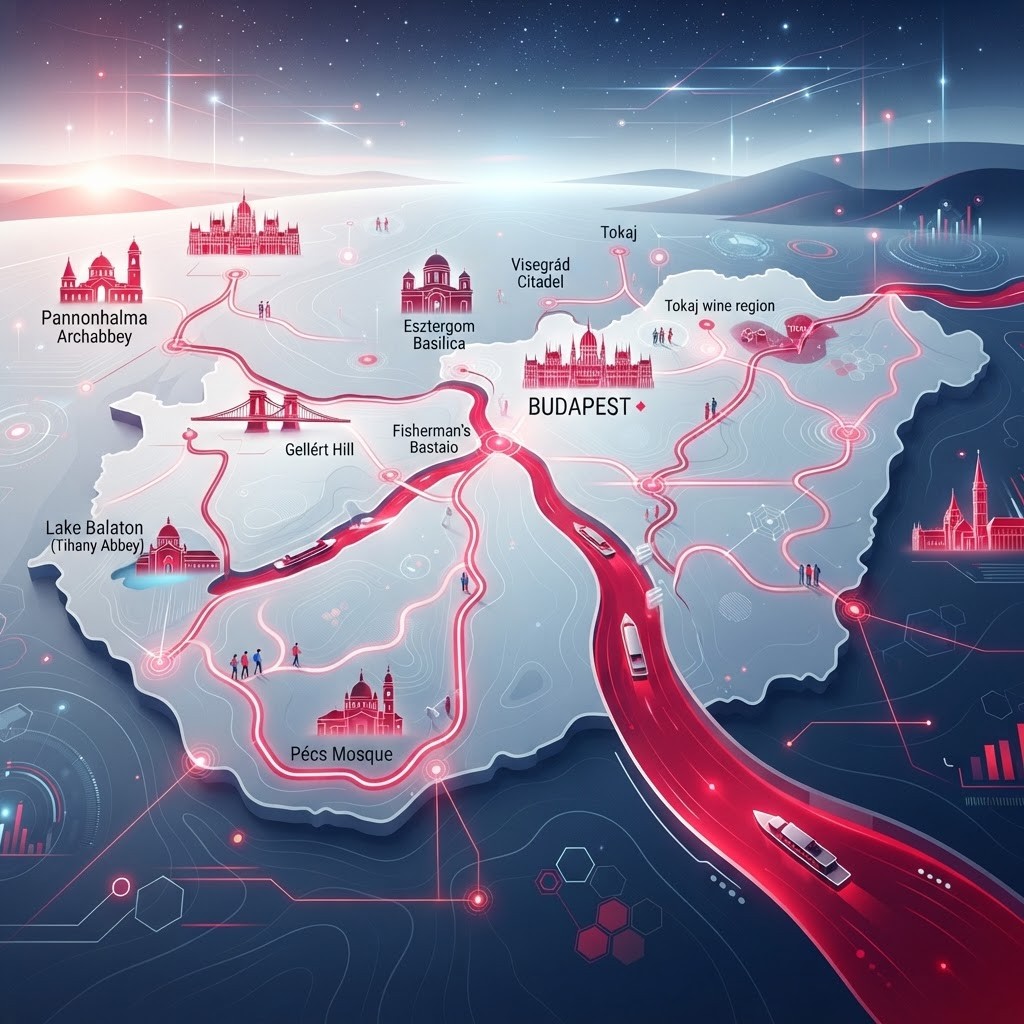
Introduction to Tour Operators in Hungary
Tour operators occupy a special place in Hungary's tourism ecosystem. While travel agencies focus on booking and coordination, tour operators design and deliver the actual experiences that bring destinations to life. From guided walks through Budapest's UNESCO-listed districts to multi-day excursions across the Great Hungarian Plain, these operators shape how visitors discover the country.
Hungary offers an extraordinary range of experiences within a compact geography. Thermal spas, historic castles, vibrant festivals, world-class wine regions, and scenic river landscapes are all within easy reach. Skilled tour operators weave these attractions into cohesive journeys that balance iconic highlights with authentic local encounters.
What Tour Operators Do
A tour operator is responsible for planning, organizing, and running tours. This involves designing itineraries, arranging transport and accommodation, hiring knowledgeable guides, securing permits, and ensuring the safety and comfort of participants. The best operators handle every logistical detail so travelers can simply relax and enjoy the experience.
Many operators create their own signature tours, developed through deep knowledge of the destination. Others customize private tours for individuals, families, or corporate groups. This flexibility allows them to serve everyone from first-time visitors seeking classic sightseeing to seasoned travelers craving off-the-beaten-path adventures.
Types of Tours Available
Hungarian tour operators offer a diverse portfolio. Cultural and historical tours explore Budapest's landmarks, provincial towns, and heritage sites, often enriched by expert commentary. Culinary and wine tours introduce guests to Hungary's celebrated gastronomy, including paprika-rich dishes and renowned wines from Tokaj and Villány.
Nature and outdoor tours take advantage of national parks, lakes, and rolling countryside, appealing to hikers, cyclists, and wildlife enthusiasts. Thermal and wellness tours highlight Hungary's famous bath culture, while festival and event tours coincide with the country's lively calendar of music, arts, and folk celebrations. City sightseeing, river cruises, and day trips to neighboring regions round out the offerings.
Trends in the Tour Industry
Experiential travel is reshaping the industry. Today's travelers want to participate rather than merely observe, and operators are responding with hands-on activities such as cooking classes, artisan workshops, and immersive cultural encounters. This shift toward meaningful engagement has become a defining feature of premium tours.
Small-group and private tours are also increasingly popular, offering a more personal and flexible experience than large coach excursions. Sustainability is another growing priority, with operators emphasizing responsible practices, support for local communities, and low-impact travel. Technology plays a role too, from digital itineraries to enhanced guide tools that enrich storytelling.
How to Choose the Right Tour Operator
Choosing the right operator starts with clarity about the kind of experience you want. Consider whether you prefer group or private tours, the themes that interest you, and your desired pace and level of activity. Review the operator's tour descriptions carefully to ensure they align with your expectations.
Reputation and guide quality are crucial. Knowledgeable, engaging guides can transform a good tour into an unforgettable one, so look for operators known for professional, licensed guides. Read client feedback to gauge reliability, safety standards, and overall satisfaction. Transparent pricing that clearly states what is included helps avoid surprises.
Flexibility and responsiveness are additional markers of quality. Operators who accommodate special requests and communicate promptly tend to deliver smoother, more enjoyable experiences.
The Value of Guided Experiences
A well-run tour offers far more than convenience. Expert guides provide context and stories that bring sites to life, revealing history and culture that independent visitors might overlook. Operators also unlock access to experiences that are difficult to arrange alone, from private tastings to entry at popular attractions without long waits.
For travelers with limited time, tours maximize value by efficiently covering key highlights. They also provide safety and reassurance, particularly in unfamiliar settings or during outdoor adventures. Ultimately, a great tour operator turns a destination into a rich, memorable narrative.
Conclusion
Tour operators in Hungary are the storytellers of the country's tourism industry, crafting journeys that reveal its depth and diversity. Through thoughtful itineraries, expert guides, and a commitment to authentic experiences, they help visitors connect with Hungary on a deeper level. By selecting an operator whose style and specialties match your interests, you can enjoy a journey that is both seamless and genuinely enriching.
