
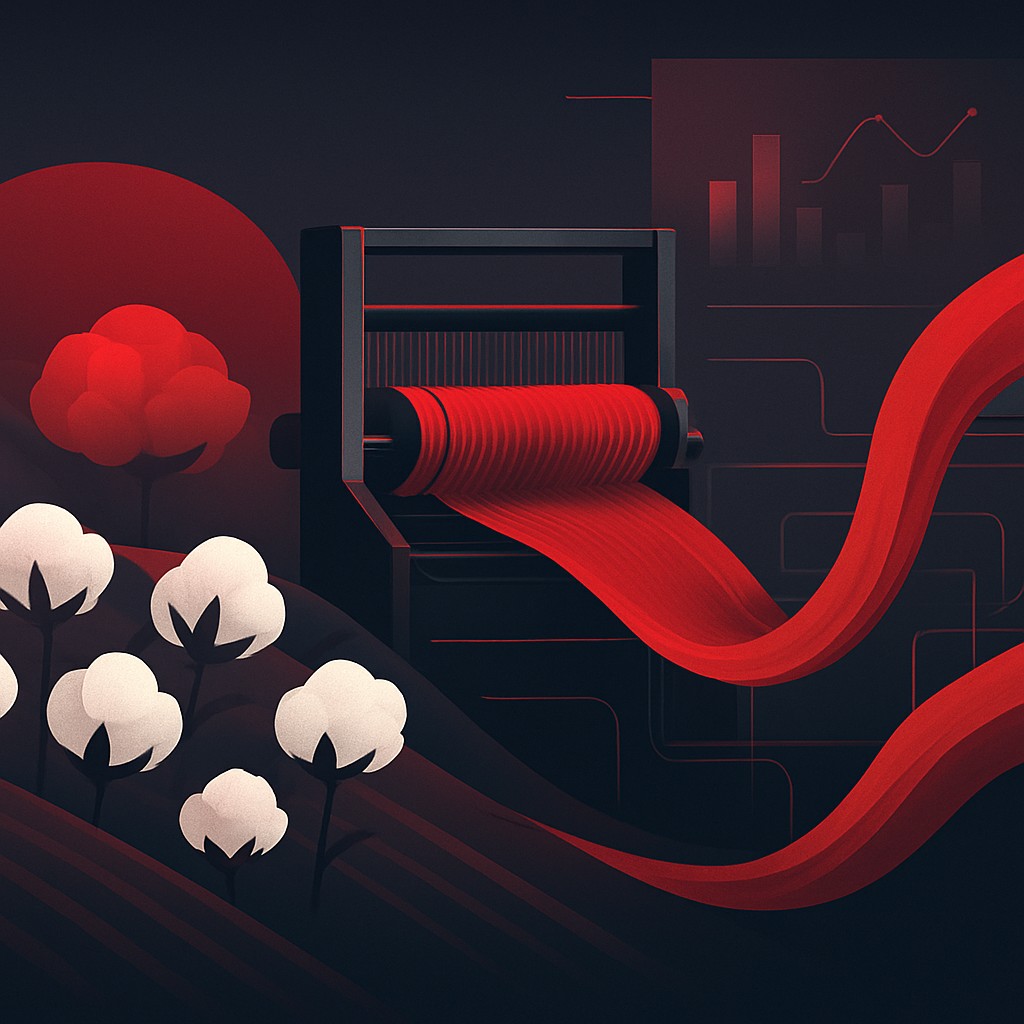
From Cotton Fields to Global Markets
Uzbekistan has long been one of the world's most important cotton-producing nations, and in recent years it has worked to capture far more value from this resource by developing a robust textile manufacturing industry. Rather than exporting raw cotton, the country now spins, weaves, dyes, and sews a growing share of its harvest into yarn, fabric, knitwear, and finished garments. This vertical integration has transformed the textile sector into one of the most dynamic parts of the national economy.
Government reforms, including the elimination of forced labor concerns and the promotion of textile clusters, have attracted significant domestic and foreign investment. Modern factories equipped with the latest machinery now operate alongside established enterprises, producing goods that increasingly compete in international markets.
The Strength of Vertical Integration
One of the defining features of Uzbekistan's textile industry is its move toward full vertical integration. Leading manufacturers control multiple stages of production, from ginning raw cotton to spinning yarn, weaving and knitting fabric, dyeing and finishing, and ultimately producing ready-made garments. This integrated approach improves quality control, shortens lead times, and increases the value retained within the country.
Top Textile Manufacturers
Indorama Agro and Indorama Kokand Textile operate large-scale spinning and textile facilities, applying international standards and significant production capacity.
Uztex Group is one of the country's largest integrated textile producers, spanning spinning, knitting, dyeing, and garment manufacturing.
Global Textile Solutions focuses on high-quality fabric and finished products for export markets.
Osborn Textile produces yarn and fabric with an emphasis on modern equipment and consistent quality.
Bukhara Textile leverages the region's cotton heritage to manufacture yarn and woven products.
Fergana Textile operates in one of the country's key cotton-growing areas, producing yarn and fabric at scale.
Tashkent Textile Group combines spinning and garment production to serve domestic and international customers.
Daewoo Textile Fergana brings international management and technology to spinning operations.
Alfa Tekstil specializes in knitted fabrics and garments with a focus on quality and reliability.
BMB Textile produces a range of yarn and fabric products, contributing to the country's growing export capacity.
Trends and Innovation
The Uzbek textile industry is embracing modernization and innovation. Manufacturers are investing in energy-efficient machinery, automated production lines, and quality management systems that meet international certifications. There is growing interest in sustainable practices, including water-saving dyeing techniques and the use of organic and recycled fibers. Many companies are also moving up the value chain into branded apparel and technical textiles, capturing higher margins.
Economic and Employment Impact
Textile manufacturing is a major source of employment in Uzbekistan, particularly in regions with strong cotton cultivation. The industry provides jobs across skill levels, supports rural economies, and contributes significantly to export earnings. By developing finished-goods capacity, the sector reduces reliance on raw cotton exports and builds a more resilient, diversified economy.
Conclusion
Uzbekistan's textile industry has evolved from a raw cotton supplier into a sophisticated manufacturing hub. The companies leading this transformation combine vertical integration, modern technology, and a commitment to quality. As they expand into higher-value products and sustainable practices, these manufacturers are positioning Uzbekistan as a competitive force in the global textile market.
