
The Rise of Tanzania's Textile Industry
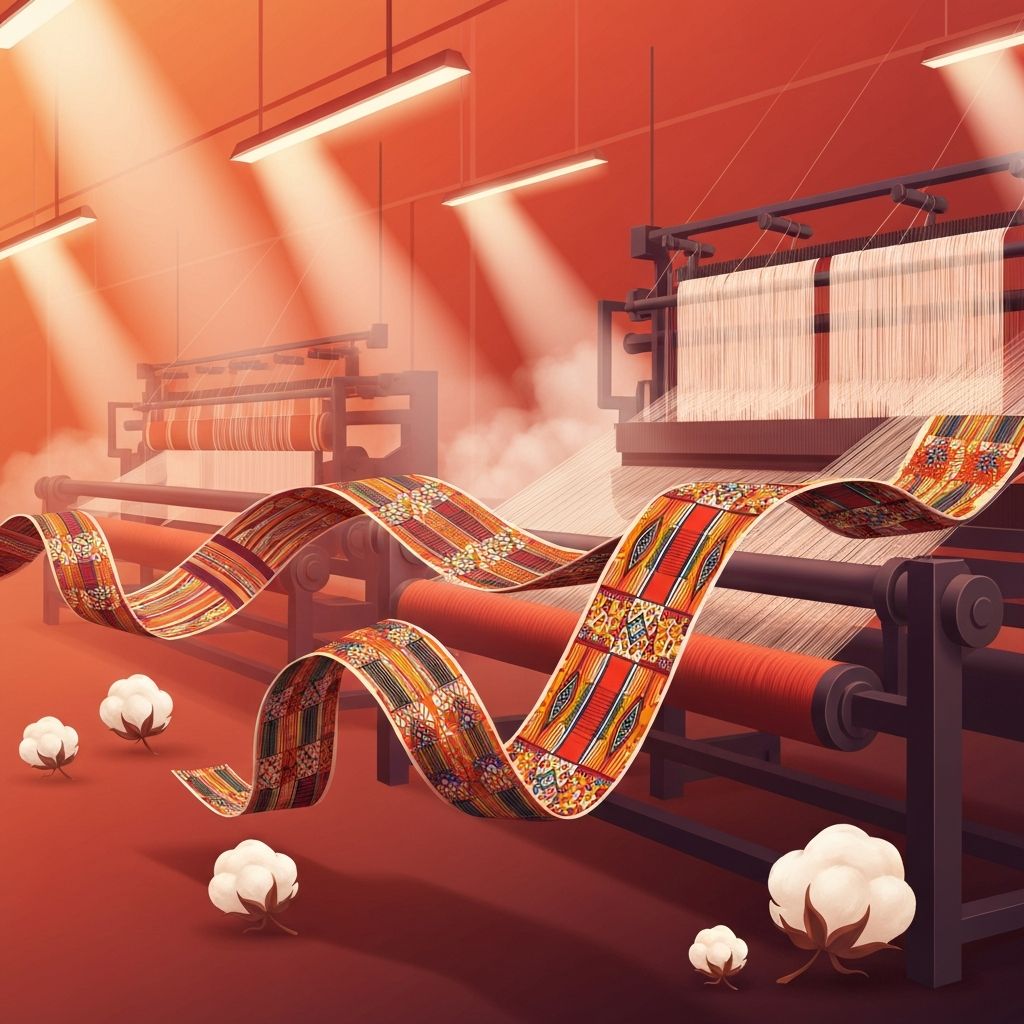
Tanzania's textile industry is one of the country's oldest and most culturally significant sectors. With a rich tradition of producing kanga, kitenge, and other African prints, alongside modern garments and industrial fabrics, Tanzanian textile manufacturers serve both local and global markets. The sector has been a cornerstone of industrialization since independence and continues to grow under government initiatives such as the Cotton-to-Clothing Strategy, which aims to add value domestically rather than exporting raw cotton.
With abundant cotton production, a young workforce, and increasing investment in modern machinery, Tanzania is positioning itself as a competitive textile hub in East Africa. Below are the top ten textile manufacturers leading the industry's revival and expansion.
1. Tanzania-China Friendship Textile Company (URAFIKI)
URAFIKI is one of Tanzania's most iconic textile mills, producing a wide range of cotton fabrics, kanga, and kitenge. Established as a joint venture, it has long been a symbol of industrial cooperation and continues to supply traditional African prints to consumers across East Africa.
2. A to Z Textile Mills
Headquartered in Arusha, A to Z Textile Mills is a prominent manufacturer best known globally for producing long-lasting insecticide-treated mosquito nets used in malaria prevention programs. Beyond nets, the company manufactures various textile products and is recognized for its commitment to quality, public health, and employment generation.
3. Sunflag Tanzania Limited
Sunflag is one of Tanzania's largest integrated textile manufacturers, producing yarn, fabric, and finished garments. With state-of-the-art spinning, weaving, dyeing, and stitching facilities, Sunflag supplies products to domestic markets, regional buyers, and major international brands.
4. Mazava Fabrics and Production EPZ Limited
Operating within Tanzania's Export Processing Zones, Mazava specializes in high-quality activewear and sports apparel for international markets. The company is known for its modern facilities, ethical labor practices, and reliable export-grade production.
5. NIDA Textile Mills
NIDA Textile Mills produces a variety of cotton-based textile products, including school uniforms, work-wear fabrics, and consumer textiles. The company is valued for its consistent quality and accessibility throughout the Tanzanian market.
6. 21st Century Textiles Limited
21st Century Textiles operates a vertically integrated textile complex, handling everything from spinning and weaving to printing and finishing. The mill is a major employer and producer of kanga, kitenge, bedding, and various household textiles.
7. Karibu Textile Mills
Karibu Textile Mills focuses on the production of woven and printed fabrics, including the popular African prints. The company emphasizes vibrant colors, durable materials, and designs that resonate with East African cultural aesthetics.
8. JV Textile (Mwatex Revival)
The Mwanza-based textile facility, often referred to as Mwatex, has been revived through joint-venture investment. It is being modernized to once again become a major contributor to cotton-to-fabric production in northwestern Tanzania, leveraging the region's strong cotton-growing tradition.
9. Tooku Garments Tanzania Limited
Tooku Garments operates a large-scale apparel manufacturing facility focused on knitted and woven garments for export. With thousands of employees and modern production lines, the company supplies global apparel brands and contributes meaningfully to Tanzania's export earnings.
10. Mufindi Paper Mills Textile Division
While primarily known for paper, Mufindi has expanded into specialty textile-related products including industrial fabrics. Their diversification represents the broader trend of Tanzanian manufacturers expanding capabilities to serve niche industrial markets.
Industry Trends Shaping Tanzania's Textile Future
The Tanzanian textile sector is being reshaped by several important trends. Government policies favoring local value addition, increased cotton production, growing demand for ethically made apparel, and expanding access to regional markets through the East African Community and AfCFTA are transforming the landscape. Additionally, sustainable manufacturing, automation, and adoption of modern dyeing and finishing technologies are improving competitiveness.
Why Tanzanian Textiles Matter
Tanzania produces some of the finest cotton in Africa, often referred to as 'white gold.' This natural advantage, combined with growing manufacturing capacity, makes the country an attractive sourcing destination. Local textiles also carry deep cultural meaning, with kanga and kitenge representing identity, communication, and heritage. International buyers are increasingly drawn to Tanzania for its quality cotton, ethical manufacturing options, and competitive pricing.
Conclusion
The textile manufacturers featured above are the backbone of Tanzania's apparel and fabric industry. They contribute to employment, export earnings, cultural preservation, and industrial development. As the country continues to invest in modernizing its textile value chain, these companies are well-positioned to lead Tanzania into a new era of industrial growth and global recognition in textiles.
