
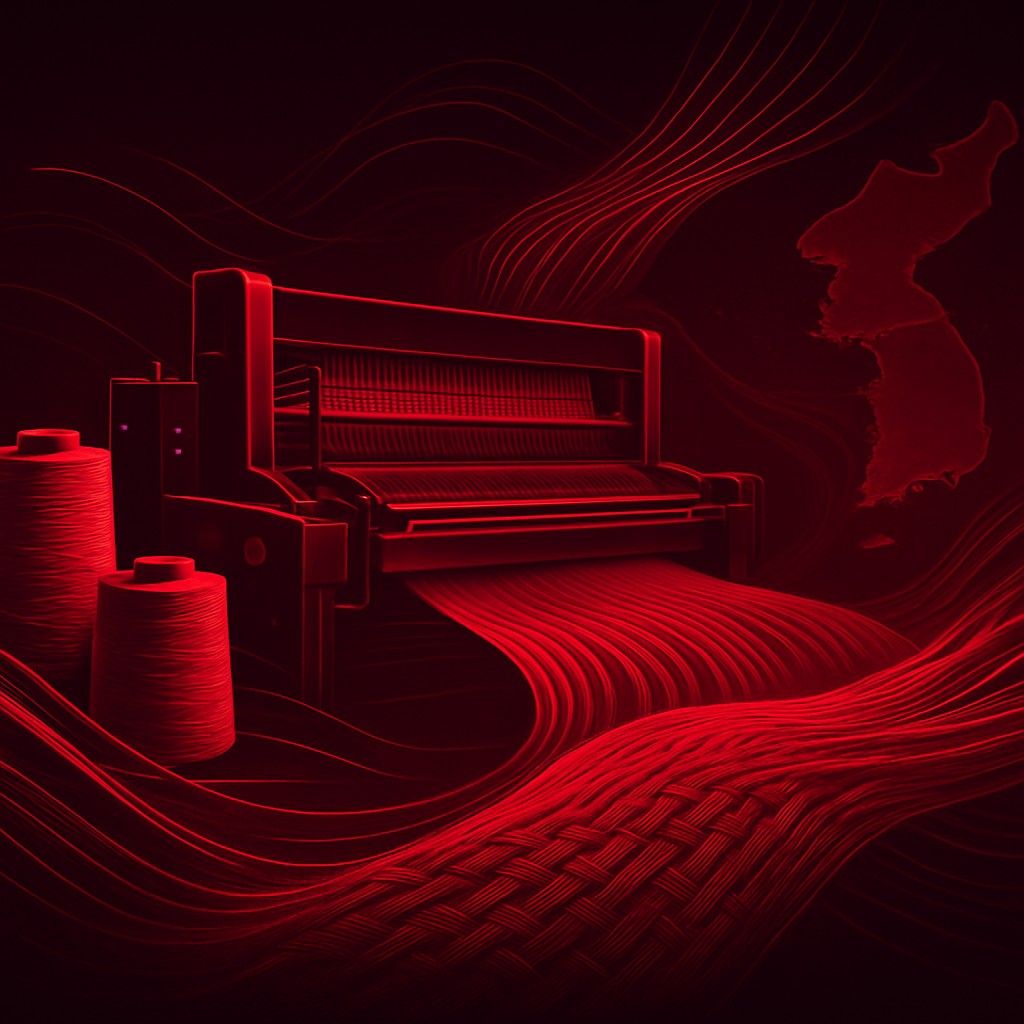
From Tradition to Technical Innovation
The textile industry played a foundational role in South Korea's post-war industrialization, fueling exports and employment for decades. While low-cost mass production has largely shifted to other countries, Korean textile manufacturers have reinvented themselves around high-value, technically advanced fabrics. Today the focus is on performance materials, functional fibers, eco-friendly processing, and supplying the global fashion, automotive, and industrial sectors.
This transformation has positioned South Korea as a leader in specialty textiles such as moisture-wicking sportswear fabrics, flame-resistant materials, and advanced synthetic fibers. By moving up the value chain, Korean producers have remained competitive despite higher labor costs, relying on innovation, automation, and quality rather than price alone. The manufacturers profiled below represent the strength and diversity of this modern industry.
The Leading Textile Manufacturers
1. Hyosung TNC is a global leader in spandex and synthetic fibers, with its elastane brand recognized worldwide. The company is known for consistent quality and continuous innovation in stretch and recycled fibers used by leading apparel brands.
2. Kolon Industries produces high-performance materials including industrial yarns, tire cords, and advanced functional fabrics used in outdoor and technical apparel, backed by strong research capabilities.
3. Hyosung Advanced Materials specializes in carbon fiber, aramid, and tire-reinforcement materials, serving demanding industrial and mobility applications where strength and reliability are essential.
4. Taekwang Industrial is a major producer of synthetic fibers and yarns, with a long-standing reputation for reliable large-scale manufacturing and consistent output.
5. Youngone Corporation is a leading manufacturer of outdoor and performance apparel, supplying many of the world's top sportswear and outdoor brands through vertically integrated operations spanning fabric to finished garments.
6. Hansae Co. is a prominent garment manufacturer producing knit and woven apparel for global fashion labels, recognized for scale, compliance, and rigorous quality control.
7. Pan-Pacific (Pan Korea) serves international apparel brands with strong design support and dependable production capabilities across multiple categories.
8. Daewoo International textile divisions historically linked trading expertise with textile sourcing, supporting export-oriented production networks and global distribution.
9. Iljin Group textile operations contribute specialty and industrial fabrics used across manufacturing and technical end-uses where performance matters.
10. Saehan and specialty fiber producers round out the list with niche functional and coated textile offerings serving industrial customers and emerging applications.
Industry Trends and Innovation
Sustainability is the dominant trend reshaping Korean textiles. Manufacturers are investing heavily in recycled polyester, regenerated nylon, waterless dyeing, and reduced-chemical processing to meet the environmental standards demanded by global brands and consumers. Recycled and bio-based fibers are increasingly central to product roadmaps and brand partnerships.
Functional and smart textiles represent another major growth area. Korean producers excel at engineering fabrics with properties such as quick-drying performance, thermal regulation, antibacterial finishes, and UV protection. Some are exploring conductive textiles for wearable technology, blending the country's electronics strength with its textile heritage in promising new ways.
Technical textiles for automotive, construction, and industrial use are also expanding. Materials like carbon fiber and aramid reinforce vehicles, aircraft, and safety equipment, allowing manufacturers to move further up the value chain and capture higher margins than commodity fabrics provide.
How to Choose a Textile Partner
Brands and buyers evaluating Korean textile manufacturers should consider technical capability, quality consistency, sustainability credentials, and production reliability. Vertically integrated suppliers often provide better control over lead times and traceability, while those with strong research teams can co-develop custom materials. Verified environmental certifications and compliance records are increasingly decisive for global fashion and industrial customers.
What Distinguishes the Best Manufacturers
The strongest Korean textile manufacturers combine advanced research and development with reliable, large-scale production and strict quality control. Their ability to consistently meet the technical specifications and compliance requirements of demanding international brands sets them apart. Vertical integration, from fiber to finished garment, gives many of these companies greater control over quality, lead times, and sustainability.
Innovation capacity is equally important. Leaders invest continuously in new fiber technologies, eco-friendly processes, and functional finishes, ensuring they remain relevant as global apparel and industrial markets evolve toward performance and sustainability.
Market Outlook
The outlook for Korean textiles is shaped by the global shift toward performance and sustainability. As fashion brands face stricter environmental rules and consumers demand greener products, Korean manufacturers with advanced recycling, low-impact dyeing, and traceable supply chains are likely to gain share. Growth in athleisure, outdoor apparel, and technical textiles for mobility and safety should sustain demand for high-value fabrics. Continued automation will help offset higher labor costs, while close collaboration with global brands on co-developed materials will reinforce the industry's position as a supplier of innovation rather than commodity volume. This trajectory favors companies that invest consistently in research and cleaner processes.
Conclusion
South Korea's textile industry exemplifies successful reinvention, moving from commodity production to high-value, technically sophisticated manufacturing. Companies like Hyosung, Kolon, and Youngone demonstrate how innovation, sustainability, and quality can sustain competitiveness in a global market. For buyers seeking performance fabrics, technical materials, or dependable apparel production, South Korea's leading manufacturers offer a compelling combination of expertise, reliability, and forward-looking innovation.
