
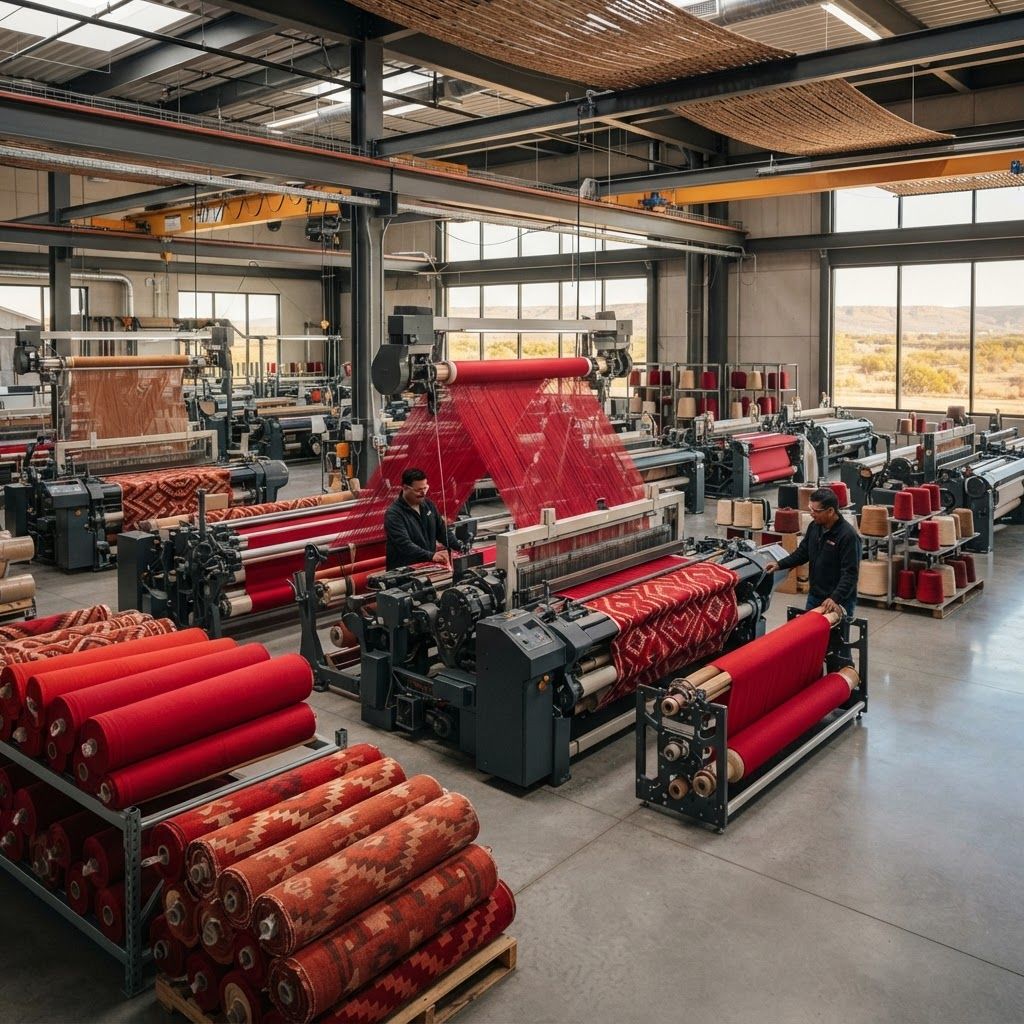
A practical guide to San Antonio textile production
San Antonio's textile sector is shaped by the city's military installations, hospitality industry, healthcare systems, schools, construction firms, and strong culture of local branding. Demand ranges from uniforms and embroidered apparel to awnings, upholstery, industrial covers, and sewn technical products. Some companies manufacture locally, while others combine in-house decoration or fabrication with regional and global sourcing.
The businesses highlighted here represent useful categories and recognized names serving the market. Capabilities and production locations can change, so buyers should confirm where cutting, sewing, printing, embroidery, and finishing occur. The best manufacturer is the one whose minimum quantities, quality controls, materials, lead times, and compliance processes fit the project.
1. San Antonio Lighthouse for the Blind
San Antonio Lighthouse for the Blind is a mission-driven manufacturer and service organization that creates employment opportunities for people who are blind or visually impaired. Its manufacturing work includes products for government and institutional customers, with capabilities connected to textile and sewn-goods production. The organization stands out for combining disciplined quality systems with measurable social impact. Procurement teams seeking reliable products and supplier-diversity value may find that combination compelling.
2. Dixie Flag and Banner
Dixie Flag and Banner has deep roots in San Antonio and produces custom flags, banners, and related fabric displays. Its local production knowledge helps customers choose materials suited to intense Texas sun, wind, and outdoor exposure. Beyond standard flags, the company serves events, institutions, businesses, and civic organizations with custom fabrication. Durability, color consistency, finishing, and mounting requirements are important points to discuss before ordering.
3. Paris Hatters
Paris Hatters is a historic San Antonio retailer and hat specialist with longstanding connections to the craft and culture of headwear. While it is not a high-volume textile mill, its expertise in shaping, fitting, and curating hats makes it relevant to the city's specialized apparel landscape. Customers value product knowledge, heritage, and personal service. The business demonstrates how craft-based textile trades remain important in a city where Western wear and cultural identity have enduring demand.
4. Southwest Texas Manufacturers
Southwest Texas manufacturing suppliers include contract sewing operations that produce covers, bags, protective items, and custom fabric assemblies. These specialists are valuable when a project needs pattern development, prototypes, short runs, or unusual materials. Buyers should look for clear sample approval, seam specifications, thread selection, reinforcement methods, and inspection criteria. A capable local contract sewer can shorten development cycles and make design changes easier.
5. San Antonio Embroidery
Local embroidery businesses serve employers, schools, teams, nonprofits, and event organizers with decorated apparel. San Antonio Embroidery represents a category where digitizing quality and production consistency matter as much as garment selection. Dense designs, small lettering, and performance fabrics require careful setup. Customers should request a stitch sample, approve thread colors under normal lighting, and confirm whether setup fees apply to future reorders.
6. Image360 San Antonio
Image360 locations serving San Antonio provide visual communications that can include fabric banners, displays, branded canopies, and soft signage. Although the company works across many sign materials, its fabric-printing applications are useful for conferences, retail environments, and corporate events. Integrated design and installation can simplify multi-part projects. Buyers benefit from discussing indoor versus outdoor use, flame-retardant requirements, finishing, transport, and storage.
7. FastSigns of San Antonio
FastSigns centers in the area produce signs and graphics, including fabric-based displays and banners. Their broad-format production and project-management model can suit organizations needing coordinated branding across several locations. Consistent files, color profiles, finishing standards, and installation plans help maintain quality. For repeat programs, customers should ask whether artwork and specifications will be archived to make future orders more efficient.
8. Cintas
Cintas provides uniform programs, work apparel, facility services, and related products to San Antonio businesses. It is primarily a service and supply organization rather than a local textile mill, yet it is influential in how employers source, maintain, and replace garments. Rental and managed-uniform programs can reduce administrative work. Decision-makers should compare garment durability, laundering standards, replacement policies, wearer changes, delivery schedules, and total contract cost.
9. UniFirst
UniFirst offers managed uniforms, protective workwear, and facility-service programs. Its structured route service is relevant to manufacturers, automotive businesses, food operations, and other employers around San Antonio. The company differentiates through inventory management, cleaning, repairs, and recurring delivery. Companies considering a program should review sizing processes, branding options, safety certifications, loss charges, service frequency, and escalation procedures.
10. Aramark Uniform Services
Aramark Uniform Services, operating under the Vestis identity, supplies and services workplace uniforms and related textiles. The model can support organizations that prefer predictable replenishment and professional laundering over employee-owned garments. For industrial settings, availability of visibility garments, flame-resistant options, and role-specific apparel can be important. A pilot at one site can reveal fit, wearer satisfaction, and service consistency before a broader rollout.
How to select a textile partner
Start with a written specification that identifies fabric composition, weight, color, dimensions, stitch construction, decoration method, packaging, expected life, and care requirements. Ask whether materials are stocked or made to order and identify any minimum quantities. Samples should be tested in realistic San Antonio conditions, especially when products will face ultraviolet exposure, heat, wind, repeated washing, or heavy workplace use.
Current trends include recycled fibers, on-demand decoration, digital textile printing, traceable sourcing, and more inclusive sizing. Buyers increasingly want proof behind sustainability claims, not broad language. Local production can improve collaboration and speed, while national suppliers may offer purchasing scale and service coverage. The strongest choice often combines transparent sourcing, repeatable quality, responsive communication, and a production plan designed around the customer's real operating needs.
