
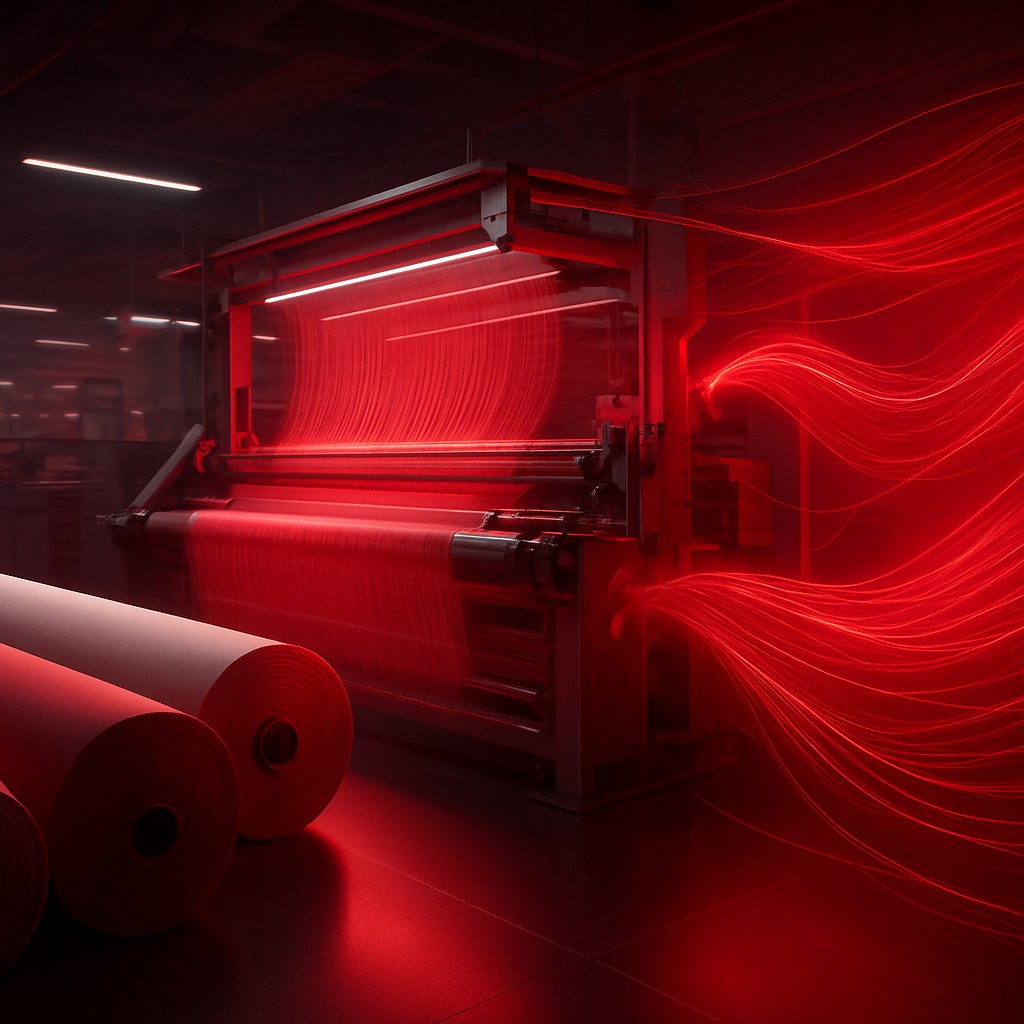
The Heritage and Modern Revival of Polish Textiles
Poland has a long and storied textile heritage, with cities like Lodz historically known as the heart of the nation's fabric industry. While the sector underwent significant restructuring in past decades, it has reinvented itself around quality, technical innovation, and specialized production. Today, Polish textile manufacturers serve fashion brands, automotive interiors, medical applications, and industrial uses across Europe and beyond.
The strongest companies combine skilled craftsmanship with modern machinery, sustainable practices, and a focus on niche, high-value products. Below, we explore ten of the best textile manufacturers in Poland.
1. Andropol
Andropol is one of Poland's most established textile producers, specializing in woven cotton and blended fabrics. Known for consistent quality and a broad product range, the company supplies materials for apparel, home textiles, and technical applications, maintaining a strong reputation built over many decades.
2. Bilinski
Bilinski is recognized for high-quality knitted fabrics and finished garments. The company serves both domestic and export markets, emphasizing reliable production and the flexibility to meet varied customer specifications, which makes it a trusted partner for fashion and apparel clients.
3. Sanwil
Sanwil specializes in coated fabrics and synthetic leather products used across automotive, furniture, and footwear industries. Its technical expertise in high-performance materials positions it as a key supplier for sectors requiring durable, functional textiles.
4. Lubawa Group
The Lubawa Group is a prominent producer of technical and protective textiles, including materials for safety, defense, and specialized industrial applications. Its focus on advanced functional fabrics demonstrates how Polish manufacturers have moved into high-value, engineered textile segments.
5. Filc
Filc is a leading manufacturer of felt and nonwoven textiles, serving automotive, construction, and industrial markets. Nonwovens represent one of the fastest-growing textile categories, and Filc's specialization in this area reflects the industry's shift toward technical materials.
6. Zaklady Tekstylne Bielbaw
With roots in Poland's traditional textile region, Bielbaw produces woven fabrics for apparel and home use. The company combines heritage manufacturing knowledge with modern finishing techniques, delivering fabrics valued for their quality and consistency.
7. Cotton House and Apparel Producers
A number of specialized apparel producers operate cut-and-sew operations that turn quality fabrics into finished clothing for European brands. These manufacturers excel in flexible production runs, fast turnaround, and the precision tailoring demanded by contemporary fashion supply chains.
8. Tkaniny Dekoracyjne Producers
Manufacturers of decorative and home textiles produce curtains, upholstery fabrics, and furnishing materials. This segment leverages Poland's design talent and craftsmanship to serve the growing home furnishings market both domestically and for export.
9. Technical Textile Specialists
A cluster of technical textile firms produces geotextiles, filtration fabrics, and engineered materials for industrial use. These companies represent the innovative edge of the Polish industry, supplying construction, environmental, and manufacturing sectors with specialized solutions.
10. Sustainable and Organic Textile Producers
An emerging group of manufacturers focuses on organic cotton, recycled fibers, and environmentally responsible production. As sustainability becomes a priority for global brands, these forward-looking Polish producers are well positioned to capture growing demand for eco-conscious textiles.
Industry Trends and Strengths
Several trends define the modern Polish textile sector. There is a clear shift from commodity fabrics toward technical and high-value products where quality and engineering matter most. Sustainability is increasingly central, with manufacturers adopting cleaner processes, recycled inputs, and certifications that appeal to conscientious buyers.
Poland's location within the European Union, skilled workforce, and reputation for reliability make it an attractive nearshoring destination for brands seeking alternatives to distant supply chains. Flexibility, quality control, and shorter lead times are key competitive advantages.
Conclusion
The textile manufacturers profiled here illustrate how Poland has transformed its rich heritage into a modern, diversified industry. From traditional woven fabrics to advanced technical textiles and sustainable production, these companies serve demanding markets with quality and innovation. As global brands prioritize reliable, nearby, and responsible suppliers, Poland's textile sector is well placed to grow, blending its proud history with a forward-looking future.
