
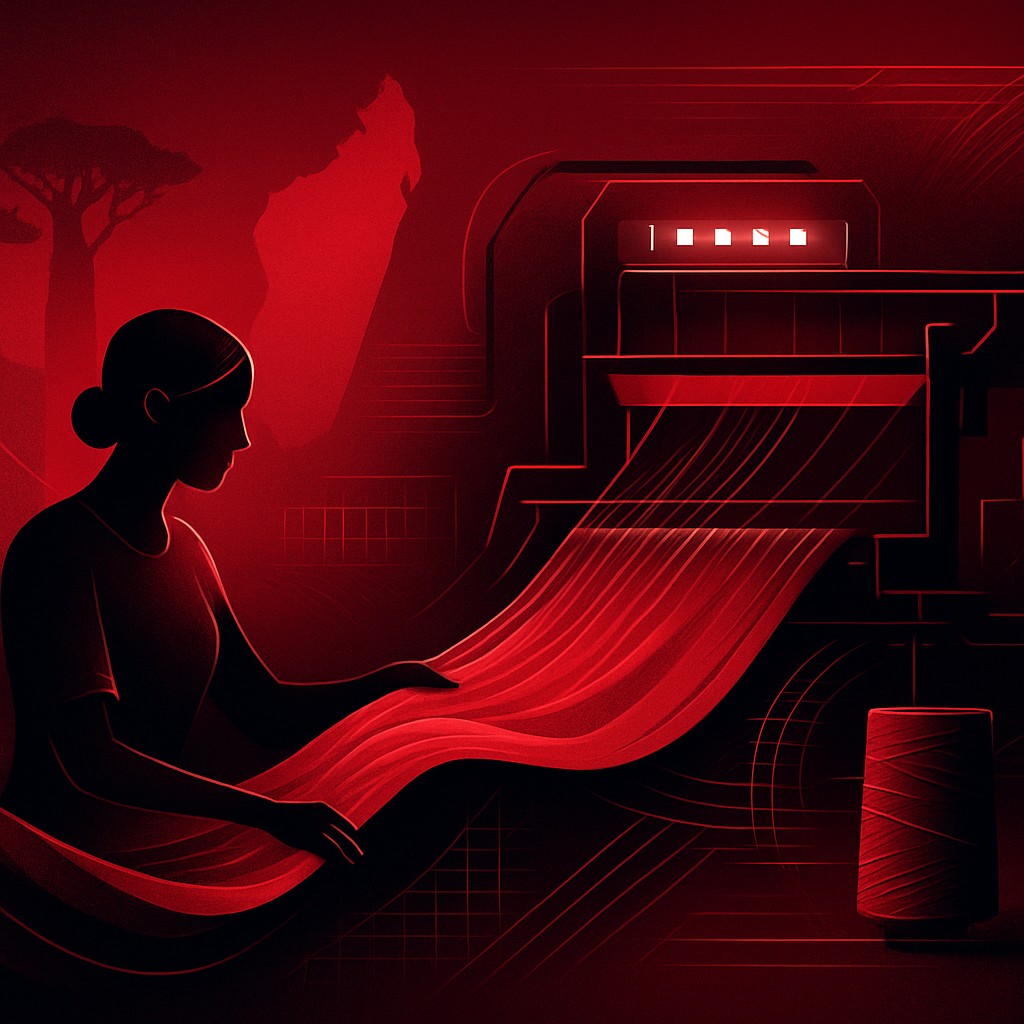
Madagascar's Thriving Textile Industry
The textile and apparel industry is one of Madagascar's most important economic sectors, particularly within its export-processing zones. Benefiting from skilled labor, favorable trade agreements, and a long tradition of craftsmanship, the country has become a notable garment manufacturing hub in the Indian Ocean region. Textile manufacturers produce everything from knitwear and woven garments to specialized fabrics, supplying both regional markets and international fashion brands.
This sector is a major source of employment, especially for women, and plays a central role in Madagascar's industrial development and export earnings.
Why the Textile Sector Matters
Textiles contribute significantly to Madagascar's exports and provide livelihoods for tens of thousands of workers. The industry benefits from preferential access to key markets through trade agreements, making it attractive to global buyers seeking quality production at competitive costs. Beyond economics, the sector preserves traditional skills while embracing modern manufacturing techniques and sustainability practices.
Leading Textile Manufacturers
Epsilon Knitwear is one of the largest integrated textile producers in Madagascar, known for its vertically integrated operations spanning yarn, knitting, dyeing, and garment production.
Cotona (Groupe Socota) is a historic and influential textile manufacturer producing woven fabrics and garments, with a strong reputation for quality and scale.
Aquarelle Madagascar specializes in high-quality shirts and apparel for premium international brands, recognized for its craftsmanship and ethical standards.
Floreal Madagascar, part of a regional textile group, produces knitwear and casualwear for global retailers, emphasizing efficiency and consistency.
Sodifra and First Garment are respected manufacturers supplying a range of apparel products to export markets.
Other notable producers such as Tropical Knits, Madawatt Textiles, and La Cotonniere d'Antsirabe round out a vibrant manufacturing landscape known for diverse capabilities.
Products and Capabilities
Madagascar's textile manufacturers offer a broad portfolio, including knitted and woven garments, shirts, t-shirts, sportswear, and specialized fabrics. Many are vertically integrated, controlling the entire process from yarn to finished product, which ensures quality and shorter lead times. Embroidery, printing, dyeing, and finishing services add further value, allowing manufacturers to meet diverse client specifications.
Industry Trends
Sustainability is becoming a defining theme, with manufacturers adopting eco-friendly dyes, water recycling, and responsible sourcing to meet the expectations of global brands. Ethical labor practices and certifications are increasingly important for accessing premium markets. Automation and modern machinery are improving productivity, while there is also renewed interest in leveraging local materials such as silk and cotton to create distinctive, value-added products.
What Sets These Manufacturers Apart
The leading textile manufacturers in Madagascar are distinguished by their commitment to quality, ethical production, and reliability. Their skilled workforces, integrated operations, and adherence to international standards make them trusted partners for global brands. Many also invest in worker welfare and community development, reinforcing the industry's positive social impact.
Conclusion
Madagascar's textile industry is a powerful engine of employment, exports, and craftsmanship. The manufacturers featured here exemplify the quality and dedication that have earned the country a respected place in global apparel supply chains. As sustainability and innovation continue to shape the sector, these companies are well positioned to grow and strengthen Madagascar's reputation as a premier textile destination.
