
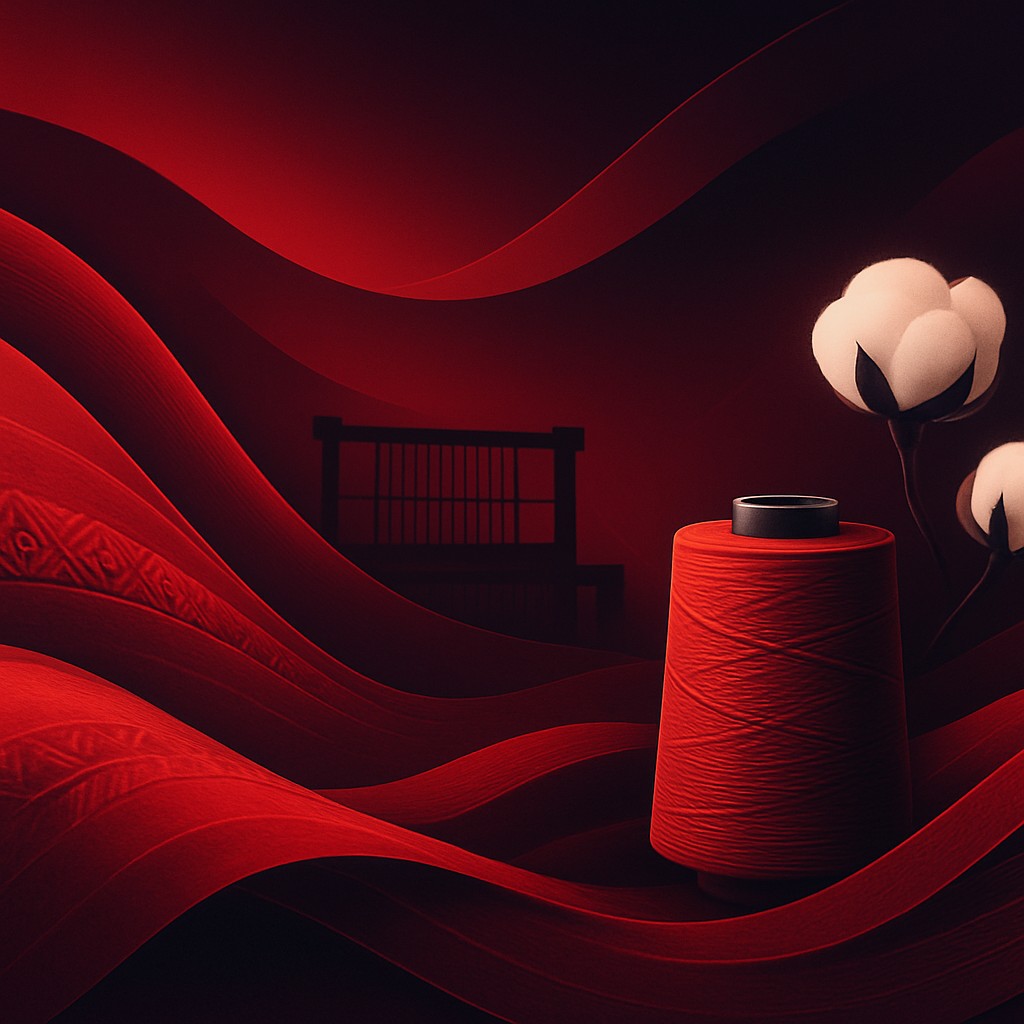
Cameroon's Textile Heritage and Industry
Textiles hold a special place in Cameroon's cultural and economic fabric. From vibrant traditional prints worn at ceremonies to industrial fabrics supplying regional markets, the textile sector reflects both rich heritage and modern manufacturing ambition. Cotton cultivation in the northern regions feeds a value chain that supports thousands of jobs, while urban factories transform raw fiber into finished cloth and apparel. Understanding the leading textile manufacturers reveals how this industry continues to evolve.
The Importance of Textiles to the Economy
The textile industry is a significant contributor to employment and value addition in Cameroon. Cotton is one of the country's most important cash crops, and its processing creates opportunities across farming, ginning, spinning, weaving, and garment production. A robust textile sector reduces reliance on imported fabrics, strengthens local supply chains, and positions Cameroon as a potential exporter within the Central African region. The industry also preserves artisanal traditions while embracing industrial scale.
Leading Textile Manufacturers
CICAM (Cotonnière Industrielle du Cameroun) is the most recognized name in Cameroonian textiles. As a flagship manufacturer, CICAM produces a wide range of printed fabrics, including the colorful designs cherished for traditional attire. The company has long been synonymous with quality cotton cloth and continues to modernize its operations to meet contemporary demand. SODECOTON, while primarily focused on cotton production and ginning, plays a foundational role by supplying the raw material that fuels downstream manufacturing.
Beyond these established names, a growing community of small and medium-sized manufacturers and ateliers contributes to the sector. Workshops in Douala, Yaoundé, and Garoua produce garments, uniforms, and home textiles for local consumers. These enterprises range from family-run weaving operations to modern cut-and-sew facilities that supply schools, corporations, and retailers with custom apparel.
Traditional Prints and Cultural Identity
One of the defining features of Cameroon's textile industry is its production of traditional printed fabrics. These prints carry deep cultural meaning and are worn during weddings, festivals, and community gatherings. Manufacturers that master the art of pattern design and colorfast printing enjoy strong loyalty among consumers who value authenticity and craftsmanship. This cultural dimension gives Cameroonian textiles a distinctive identity that imported fabrics struggle to replicate.
Modern Manufacturing and Innovation
Today's leading manufacturers are investing in modern equipment to improve efficiency, consistency, and quality. Automated printing, improved dyeing techniques, and better quality control allow producers to compete with imported alternatives. Some companies are also exploring sustainable practices, such as water recycling and eco-friendly dyes, responding to growing global awareness of textile environmental impact. These innovations help local manufacturers remain relevant in an increasingly competitive marketplace.
Challenges and Opportunities
The Cameroonian textile sector faces challenges including competition from low-cost imports, the need for capital investment, and fluctuations in cotton supply. However, significant opportunities exist. Rising demand for locally made goods, government efforts to support industrialization, and regional trade agreements create favorable conditions for growth. Manufacturers that invest in quality, branding, and efficient production are well positioned to capture both domestic and export markets.
Industry Trends to Watch
Several trends are shaping the future of Cameroonian textiles. There is growing interest in vertically integrated production that links cotton farming to finished garments, capturing more value locally. Demand for sustainable and ethically produced fabrics is rising among conscious consumers. Digital design tools and e-commerce are also opening new channels for manufacturers to reach customers directly. These developments point toward a more dynamic and resilient industry.
What Distinguishes the Best Manufacturers
The most respected textile manufacturers in Cameroon combine consistent quality, reliable delivery, and strong design capabilities. They understand local tastes while maintaining the production standards needed for larger contracts. Companies that build recognizable brands, maintain ethical labor practices, and invest in modern technology consistently stand out. Their ability to balance tradition with innovation defines their lasting success.
Conclusion
Cameroon's textile industry is a compelling blend of cultural heritage and industrial progress. Leaders like CICAM, supported by cotton suppliers such as SODECOTON and a vibrant community of garment producers, continue to shape the sector. As demand for locally made, high-quality fabrics grows, these manufacturers stand ready to weave a stronger future for Cameroon's textile economy.
