
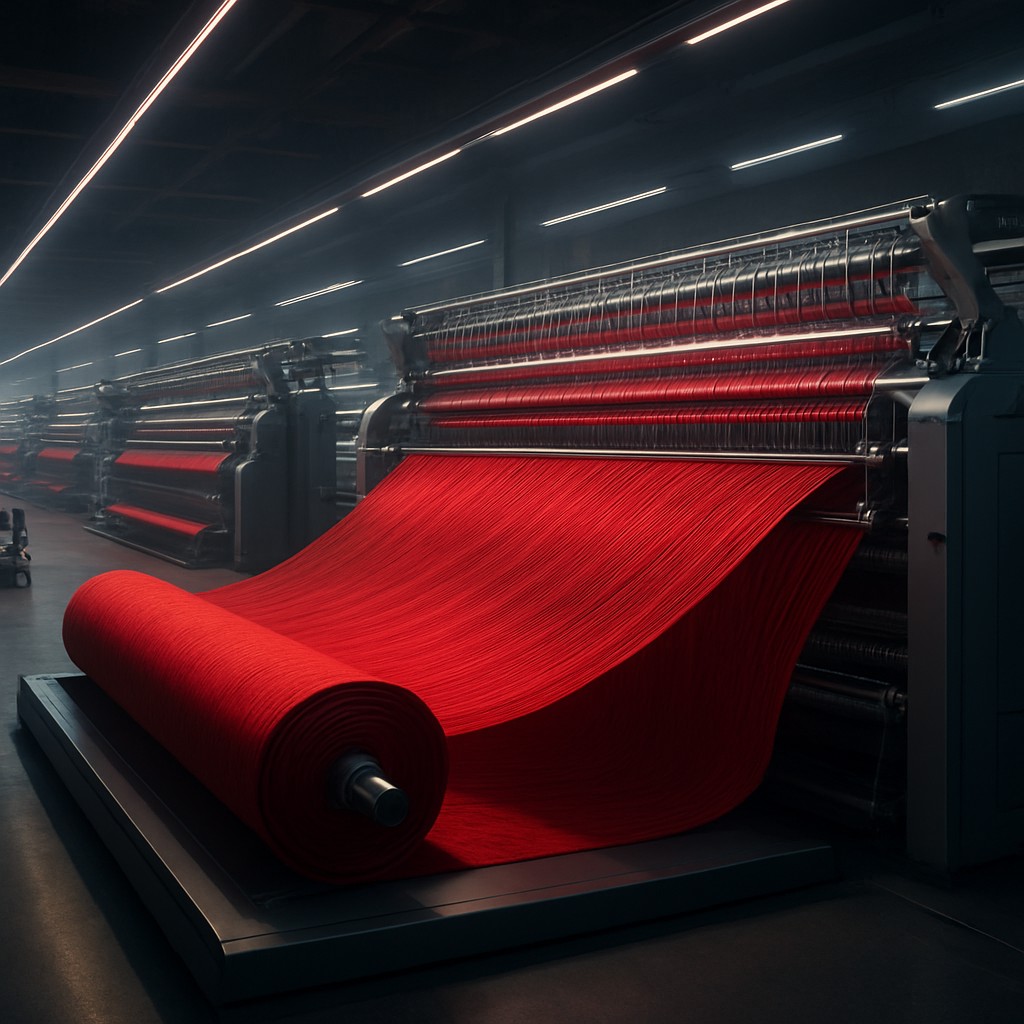
A Heritage Industry Reborn
Textiles have a long and storied history in Algeria, woven into the cultural fabric of the nation through traditional garments, carpets, and fine craftsmanship. In the decades following independence, the country built a substantial state-owned textile industry that employed large numbers of workers. After a period of decline, the sector is now experiencing a determined revival, driven by industrial policy aimed at rebuilding domestic manufacturing and reducing reliance on imported clothing and fabrics.
Today's leading textile manufacturers combine this heritage with modern machinery, integrated production, and a focus on quality. They represent an important pillar of Algeria's broader strategy to diversify its economy beyond hydrocarbons.
Tayal and the Relizane Mega-Complex
One of the most significant developments in the modern Algerian textile industry is the massive integrated complex in Relizane, operated by Tayal, a joint venture combining Algerian and Turkish expertise. This sprawling facility brings together spinning, weaving, dyeing, and finishing under one roof, creating a fully integrated production chain capable of supplying both domestic and export markets.
The Tayal complex symbolizes the new ambitions of the sector. By localizing the entire production process, it reduces dependence on imported fabrics and creates thousands of jobs, while positioning Algeria as a potential regional textile hub.
The Legacy of State Enterprises
Algeria's textile heritage is anchored in long-established public enterprises. Groups historically organized under entities like Texalg and the broader C&H (Confection et Habillement) network played a central role in clothing the nation for decades. These organizations operated mills and garment factories across multiple regions, building deep expertise in cotton processing, weaving, and apparel production.
While some of these enterprises have been restructured or modernized, their accumulated knowledge and trained workforce continue to underpin the industry. The revival strategy often builds upon this existing foundation, upgrading facilities and reorienting them toward contemporary markets.
Specialized and Regional Manufacturers
Beyond the large integrated complexes, a number of specialized manufacturers contribute to the sector's diversity. Companies focused on workwear, uniforms, and technical textiles serve institutional clients such as government agencies, the military, and industrial firms. Producers of household textiles, including bedding, towels, and curtains, supply a growing domestic retail market.
Traditional carpet and rug manufacturers also remain an important part of the landscape, preserving artisanal techniques that have earned Algerian textiles international recognition. These producers blend handcraft with small-scale industrial methods to meet both local and tourist demand.
Industry Trends and Modernization
The Algerian textile sector is in the midst of a modernization wave. Investment in new spinning and weaving machinery, automated cutting systems, and modern dyeing facilities is improving productivity and product quality. Manufacturers are also paying greater attention to international standards, recognizing that consistency and reliability are essential for competing in export markets.
Sustainability is an emerging theme as well. Water management in dyeing operations, energy efficiency, and responsible sourcing of raw materials are becoming priorities for forward-looking firms. These efforts align with global expectations and help Algerian manufacturers appeal to environmentally conscious buyers.
Challenges and Opportunities
Like textile industries worldwide, Algerian manufacturers face stiff competition from low-cost producers in Asia. Overcoming this requires a focus on quality, speed to market, and the advantages of geographic proximity to European customers. Algeria's location offers a meaningful logistical edge for serving Mediterranean markets, an advantage that integrated producers are increasingly leveraging.
Workforce development is another key factor. Training programs that build skills in modern textile engineering, design, and quality control are essential to sustaining the industry's revival and moving up the value chain into higher-margin products.
Economic Significance
The textile sector holds particular promise for employment and economic diversification. As a labor-intensive industry, it has the potential to create large numbers of jobs, particularly for younger workers and women. Rebuilding domestic textile capacity also reduces the import bill and keeps more economic value within the country.
Conclusion
From the ambitious integrated complex operated by Tayal to the enduring legacy of state enterprises and specialized regional producers, Algeria's textile manufacturers are writing a new chapter for a heritage industry. By combining tradition with modern technology and a focus on quality, these leading firms are helping to revive a sector that once clothed the nation and now aims to compete on the regional and international stage. The momentum behind Algerian textiles reflects a broader determination to build a more diversified and resilient industrial economy.
