
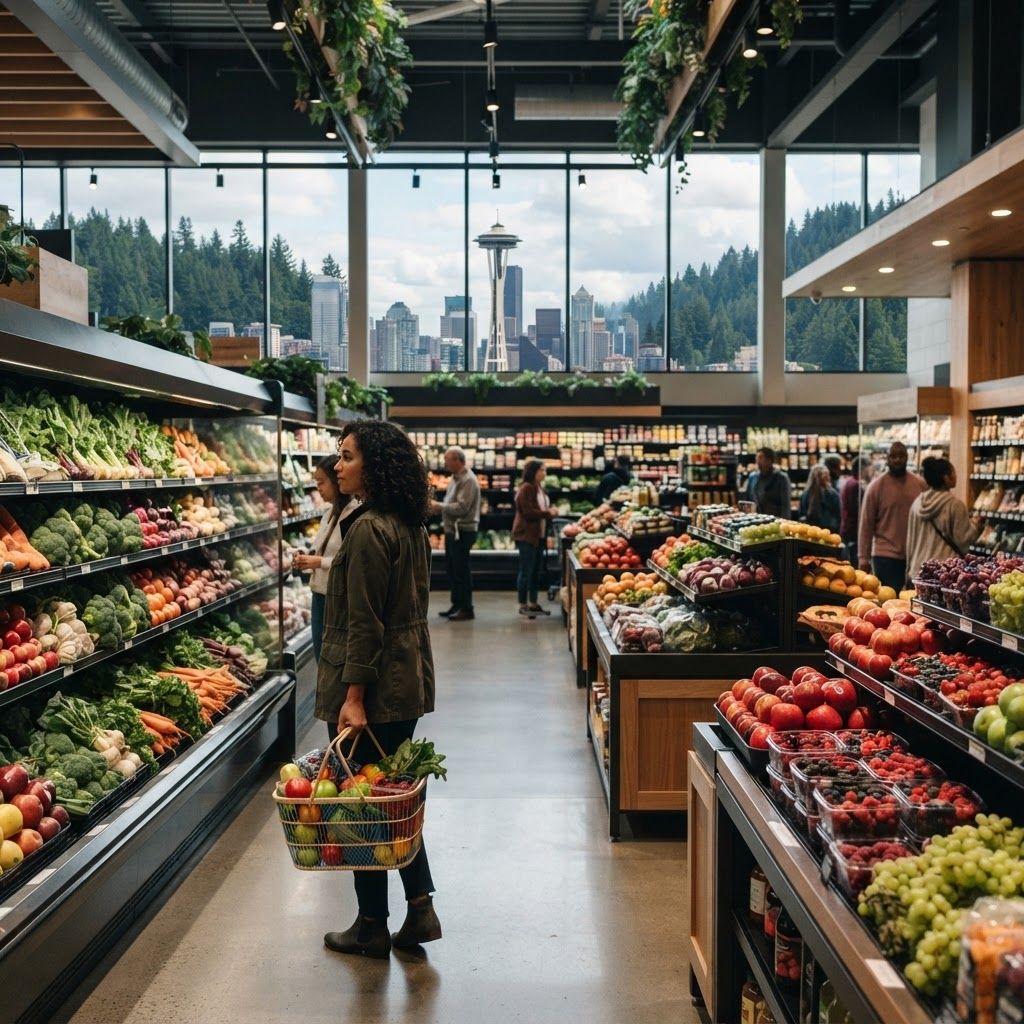
Washington's Thriving Supermarket Scene
Washington State is home to one of the most diverse and dynamic grocery markets in the country. From the bustling neighborhoods of Seattle to the agricultural heartlands of the Yakima Valley, residents have access to an impressive range of supermarket chains that cater to every taste, budget, and lifestyle. The state's proximity to rich farmland, fisheries, and orchards means shoppers can enjoy exceptionally fresh produce, seafood, and dairy year-round. This abundance has shaped a grocery culture that prizes quality, sustainability, and local sourcing.
As consumer expectations continue to evolve, supermarket chains in Washington have responded with expanded organic sections, farm-to-shelf partnerships, and technology-driven conveniences such as curbside pickup and app-based ordering. The following chains stand out for their consistent quality, community engagement, and commitment to serving Washington families.
Leading National and Regional Chains
Several major players anchor the Washington grocery experience. Fred Meyer, a beloved Pacific Northwest institution, offers a one-stop shopping model that combines groceries with home goods, apparel, and electronics. Its deep roots in the region and generous loyalty program make it a favorite among families seeking value and variety. Safeway maintains a strong statewide presence with well-stocked stores, a robust pharmacy network, and a reputation for reliable weekly deals.
QFC, or Quality Food Centers, has built a loyal following in the greater Seattle area by emphasizing premium products, prepared foods, and an upscale shopping atmosphere. Meanwhile, Albertsons continues to serve communities across the state with a balanced mix of national brands and private-label offerings that appeal to budget-conscious shoppers.
Specialty and Value-Driven Options
Washington's grocery market also thrives on specialty and value-focused chains. WinCo Foods has earned a devoted customer base thanks to its employee-owned structure and consistently low prices, particularly appealing to large households. Grocery Outlet delivers deep discounts on brand-name products through its independently operated store model, giving shoppers the thrill of surprise finds at bargain prices.
For those seeking natural and organic options, PCC Community Markets stands as a pioneer. As one of the largest food cooperatives in the United States, PCC champions local farmers, sustainable practices, and community wellness. Trader Joe's, though a national brand, has become a cultural staple in Washington with its distinctive private-label products, friendly staff, and affordable gourmet offerings.
Premium and Emerging Players
At the premium end of the spectrum, Metropolitan Market delivers a curated, gourmet experience with an emphasis on artisanal foods, exceptional customer service, and locally crafted goods. Its stores feel more like culinary destinations than typical supermarkets. Rounding out the list, Town & Country Markets operates a family of neighborhood stores that blend upscale selection with genuine community connection, particularly across the Puget Sound region.
Trends Shaping Washington Grocery Shopping
The supermarket industry in Washington is increasingly defined by sustainability and convenience. Chains are investing in reduced plastic packaging, food waste reduction programs, and partnerships with regional producers. Online ordering, delivery integration, and self-checkout technology have become standard expectations rather than novelties. Shoppers are also gravitating toward stores that offer transparency in sourcing and clear labeling for organic and non-GMO products.
Choosing the Right Supermarket for You
Selecting the best supermarket in Washington ultimately depends on individual priorities. Families focused on value may gravitate toward WinCo or Grocery Outlet, while those prioritizing organic and local products often prefer PCC Community Markets or Metropolitan Market. For all-in-one convenience, Fred Meyer remains hard to beat. Whatever the preference, Washington shoppers benefit from a competitive, quality-driven market that continues to raise the bar for grocery retail across the region.
How to Compare the Best Options
A useful shortlist should be treated as a starting point rather than a fixed ranking. Needs vary by neighborhood, budget, audience, and desired experience, so readers should compare practical factors before making a decision. Begin with consistency: a strong business delivers dependable quality across products, services, staff interactions, and locations. Reputation matters too, but recent customer experiences and a clear record of responding to feedback are generally more revealing than a single award or isolated review.
Local knowledge is especially important in Washington. Seattle organizations may be accustomed to dense urban audiences and technology-led expectations, while businesses in Spokane, Tacoma, Bellevue, Vancouver, Bellingham, or smaller communities may bring different strengths. The best choice understands the people it serves, the region's seasonal rhythms, and the standards Washington customers place on sustainability, accessibility, and honest communication. A provider that participates in its community and maintains relationships with local suppliers, creators, or institutions often delivers a more relevant experience.
Value, Service, and Long-Term Fit
Price should be weighed against total value rather than considered alone. Higher cost can be justified by better materials, deeper expertise, stronger support, or a more reliable result. Conversely, an affordable option can be excellent when it operates efficiently and remains transparent about what is included. Readers should look for clear policies, responsive service, and evidence that the organization stands behind its work. These qualities reduce uncertainty and make the overall experience more satisfying.
It is also worth considering how each contender adapts to changing expectations. Washington consumers increasingly favor responsible sourcing, inclusive experiences, digital convenience, and measurable environmental progress. Organizations that invest in these areas show that they are prepared for the future rather than relying only on past reputation. Thoughtful innovation should solve real customer problems, whether through improved access, better personalization, more durable products, or clearer reporting.
Making a Confident Final Decision
After narrowing the field, compare two or three leading choices using the same criteria. Consider quality, specialization, geographic reach, service style, and overall value. For a major purchase or partnership, ask detailed questions and request relevant examples before committing. For everyday products and services, a small initial purchase can reveal whether the experience matches expectations.
The strongest option is ultimately the one that fits a reader's specific priorities while demonstrating trustworthy practices. Washington offers a deep and competitive marketplace, which gives consumers and organizations the freedom to be selective. By balancing reputation with firsthand evaluation, readers can move beyond broad rankings and choose a company, brand, or agency that delivers lasting value.
