
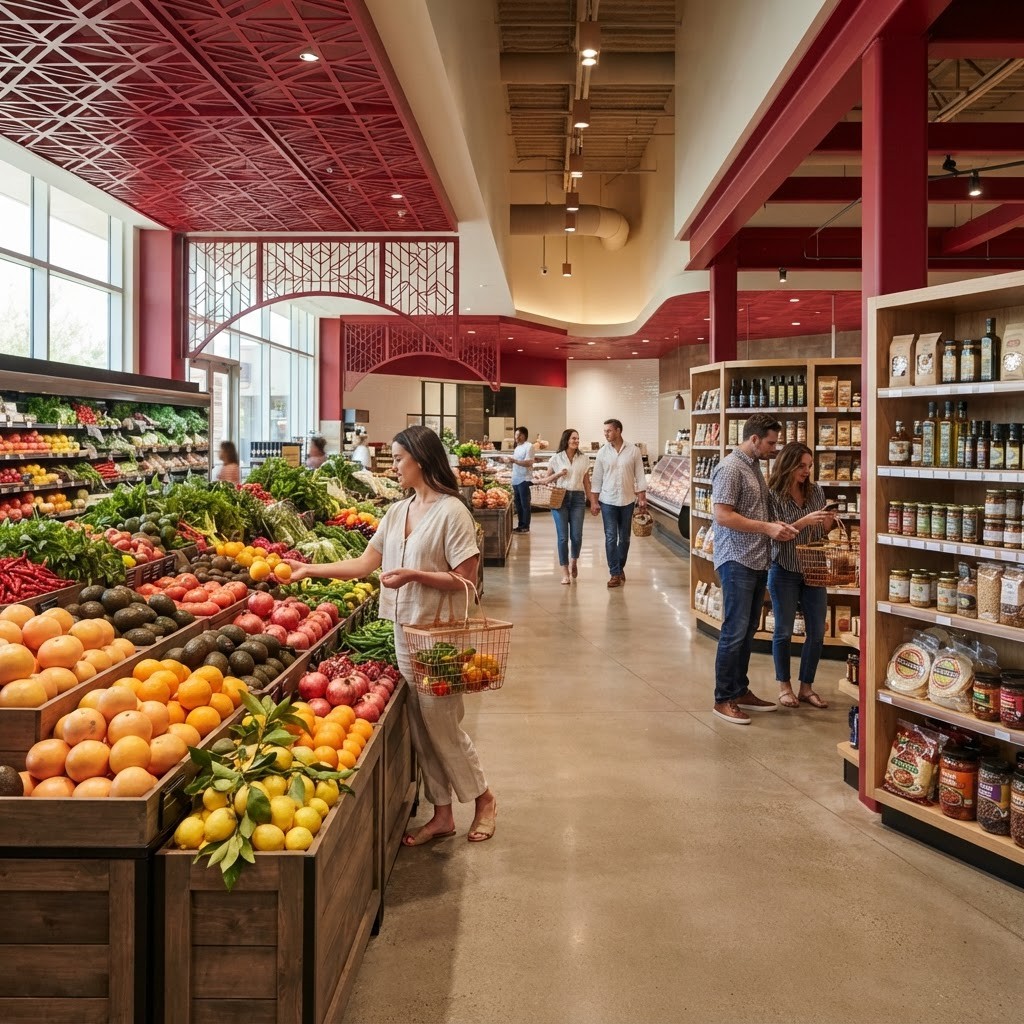
Phoenix Grocery Shopping at a Glance
The Valley's supermarket landscape reflects rapid population growth and diverse culinary traditions. Shoppers can find conventional weekly groceries, Mexican and Latin American specialties, organic produce, prepared meals, and warehouse-size packages within a short drive. Because summer temperatures make long trips with perishables challenging, location, pickup speed, and cold-chain handling deserve as much attention as price.
1. Fry's Food Stores
Fry's is one of the most familiar grocery names in Phoenix, with broad neighborhood coverage and a full conventional assortment. Stores typically combine produce, meat, bakery, pantry goods, pharmacy services, and household essentials. Loyalty pricing and fuel-related rewards can improve value for regular shoppers who plan around weekly promotions.
2. Safeway
Safeway offers dependable full-service grocery shopping, established private labels, deli options, floral departments, and pharmacies at many locations. Its digital promotions can be competitive when activated thoughtfully. The chain is practical for households that favor familiar brands and consistent store layouts.
3. Sprouts Farmers Market
Phoenix-founded Sprouts emphasizes fresh produce, bulk foods, vitamins, natural products, and health-oriented groceries. The market-style layout encourages ingredient discovery, while frequent produce promotions attract shoppers who cook often. It is especially strong for dietary preferences, though a complete conventional basket may require selective price comparison.
4. Bashas'
Arizona-based Bashas' brings regional familiarity and community orientation to grocery retail. Its stores carry mainstream staples alongside locally relevant products and service departments. Supporting a homegrown chain appeals to many residents, and neighborhood locations can provide a calmer alternative to larger formats.
5. Food City
Food City is a standout for Mexican and Latin American ingredients, fresh tortillas, marinated meats, produce, bakery items, and prepared foods. Its cultural relevance and value-focused selection make it an important part of Phoenix's food landscape. Shoppers planning tacos, grilling, or traditional dishes will find greater depth than at many conventional supermarkets.
6. AJ's Fine Foods
AJ's Fine Foods serves the gourmet end of the market with premium meat and seafood, specialty cheese, bakery products, wine, prepared dishes, and polished service. It works particularly well for entertaining, gifts, and hard-to-find ingredients. Prices reflect its positioning, so many customers use it selectively rather than for every staple.
7. Whole Foods Market
Whole Foods Market offers organic produce, responsibly positioned meat and seafood, specialty diets, prepared foods, and extensive private-label products. Clear ingredient standards help shoppers narrow choices. Phoenix customers often use it for quality-focused items and convenient meals, balancing premium departments with value-oriented house brands.
8. Trader Joe's
Trader Joe's has a compact, private-label-led assortment known for frozen meals, snacks, pantry staples, cheese, flowers, and seasonal discoveries. Smaller stores can make shopping efficient, although peak periods become busy. Its products are distinctive, but customers seeking numerous brand choices may need another retailer.
9. WinCo Foods
WinCo emphasizes low prices, large bulk sections, and employee ownership. The no-frills format is valuable for pantry stocking, baking ingredients, and family-size shopping. Customers should be prepared for a more self-service experience and should check accepted payment methods before a major trip.
10. Costco
Costco excels in bulk groceries, high-volume produce, meat, seafood, prepared foods, and dependable private-label products. Membership delivers the most value to larger households, entertainers, and shoppers with storage capacity. Smaller households should evaluate spoilage risk rather than assuming every larger package is economical.
Building a Better Grocery Routine
Many Phoenix households benefit from a two-store strategy: one retailer for weekly staples and another for specialty or bulk purchases. Shop with insulated bags during hot months, schedule pickups close to home, and compare unit prices. Seasonal Arizona citrus, local products, and Southwestern ingredients can add freshness and regional character. The best chain is not simply the cheapest; it is the one that reliably fits a household's diet, cooking habits, location, and tolerance for extra trips.
