
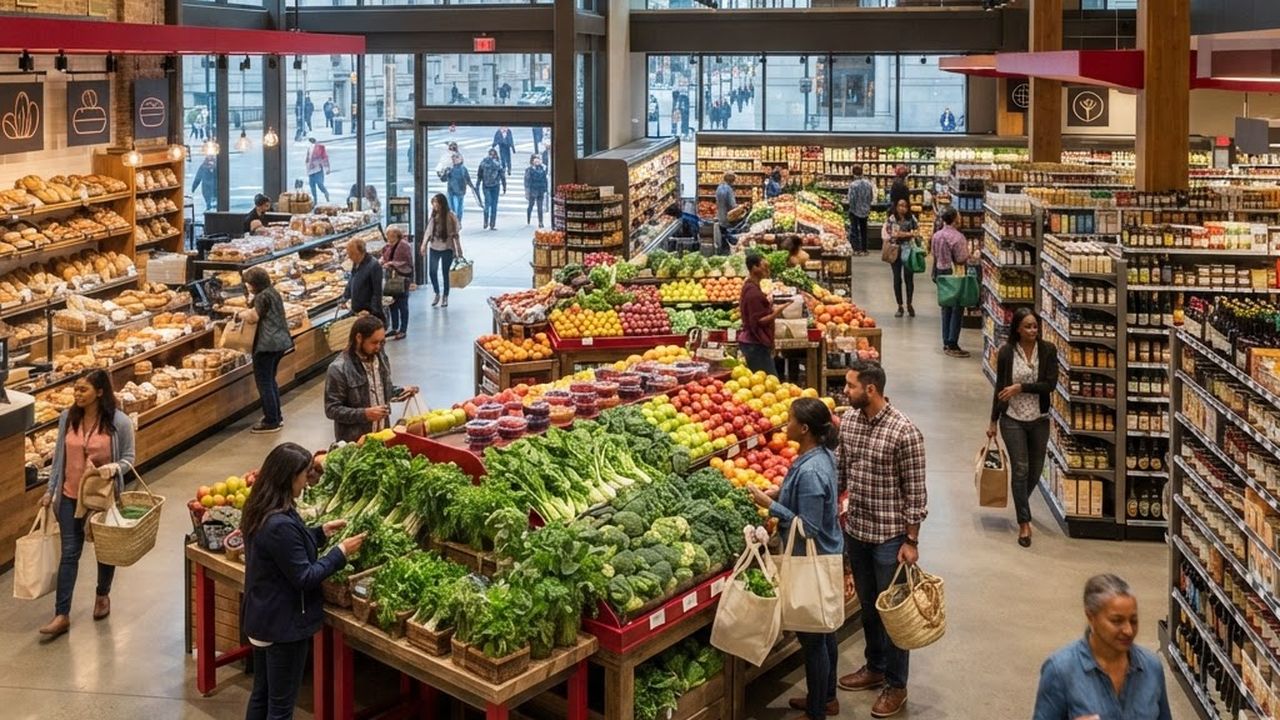
Grocery Shopping in Philadelphia
Philadelphia's food culture extends from Reading Terminal Market and neighborhood produce shops to major supermarket chains serving every kind of household. City residents often balance price with walking distance, transit access, parking, delivery, and package size. A suburban family buying for a week has different needs from an apartment resident carrying groceries home.
No chain wins every category. Smart shoppers may buy staples at a value grocer, specialty ingredients at a premium market, and bulk items at a warehouse club. Compare unit prices rather than package prices, plan meals around perishables, and consider transportation costs when deciding whether a distant discount is worthwhile.
1. ACME Markets
ACME has a long history in the Philadelphia region and remains a familiar full-service option. Its stores typically combine produce, meat, deli, bakery, pantry goods, pharmacy-related convenience, and national brands. Local familiarity and neighborhood locations are key strengths. Digital promotions can improve value, but shoppers should compare weekly prices and purchase only what fits their meal plan.
2. ShopRite
ShopRite is widely used across the region for broad selection, competitive promotions, and strong supermarket fundamentals. Independently operated stores may vary in layout and local assortment, which can help locations respond to their communities. Families often value large departments and multiple package sizes. Review loyalty offers before checkout and compare store-brand alternatives for everyday staples.
3. Giant
Giant serves the Philadelphia area with conventional grocery departments, prepared foods, pickup, and delivery options. It is a practical choice for shoppers who want a complete weekly order through one chain. Digital tools can save time, though substitutions deserve attention when ordering online. For produce and meat, specify preferences where the platform allows and inspect items promptly after delivery.
4. Whole Foods Market
Whole Foods Market emphasizes natural and organic products, specialty diets, prepared foods, and ingredient standards. Philadelphia locations are useful for shoppers seeking niche pantry items, quality cheese, seafood, or convenient meals. Premium categories can raise the final bill, so compare store-brand basics and prioritize organic purchases according to personal values rather than assumptions.
5. Trader Joe's
Trader Joe's is popular for distinctive private-label foods, compact stores, frozen meals, snacks, and seasonal discoveries. Its edited assortment can simplify decisions and offer strong value in selected categories. The model provides fewer brand choices and may not cover every household need. Busy city locations also reward off-peak visits and a prepared list.
6. Aldi
Aldi focuses on efficiency, private labels, and low prices. Smaller assortments, bring-your-own-bag practices, and streamlined displays help control operating costs. Budget-conscious Philadelphia households can save on staples, dairy, produce, and rotating special buys. Because package sizes and availability vary, build flexibility into recipes and compare perishables based on what can be used before spoilage.
7. Lidl
Lidl combines discount pricing with bakery items, private-label groceries, produce, and rotating nonfood products. Its stores can appeal to shoppers who want value without sacrificing discovery. The in-store bakery is a differentiator, while international products add variety. As with any promotional aisle, unplanned purchases can offset grocery savings, so separate household needs from impulse finds.
8. Sprouts Farmers Market
Sprouts emphasizes produce, bulk foods, vitamins, natural groceries, and products suited to varied dietary preferences. Its market-style layout gives fruits and vegetables a central role. Bulk sections can reduce packaging and allow customers to buy only the amount needed, but unit prices should still be compared. Ingredient-conscious shoppers should read labels because terms such as natural do not replace detailed nutrition information.
9. Wegmans
Wegmans is a regional favorite known for large stores, broad prepared-food selections, strong private labels, and service-oriented departments. Though locations may require travel from central Philadelphia, households sometimes value the one-stop experience. Large assortments make planning essential. Prepared foods offer convenience, while cooking from basic ingredients generally provides better control over cost and nutrition.
10. Costco
Costco is a membership warehouse rather than a conventional supermarket, but it is influential for bulk groceries, household supplies, and selected fresh foods. It works best for larger households, shared purchases, and products with predictable consumption. Apartment storage and perishability can limit savings. Calculate unit cost, divide bulk goods safely when appropriate, and avoid buying volume that will become waste.
Better Grocery Habits
Plan several flexible meals around overlapping ingredients, check the pantry before leaving, and shop with a list. Frozen vegetables and fruit can reduce waste while offering convenience. Evaluate freshness with sight, smell, and dates, but understand that many date labels concern quality rather than an immediate safety boundary. Follow safe storage temperatures and keep raw proteins separate.
Philadelphia's strongest supermarket strategy is often a personal mix based on neighborhood, household size, dietary needs, and available time. Loyalty programs are useful when privacy preferences are understood, while pickup can reduce impulse buying despite possible fees. A good grocery routine is not about chasing every sale; it consistently provides nourishing food, manageable costs, and minimal waste.
