
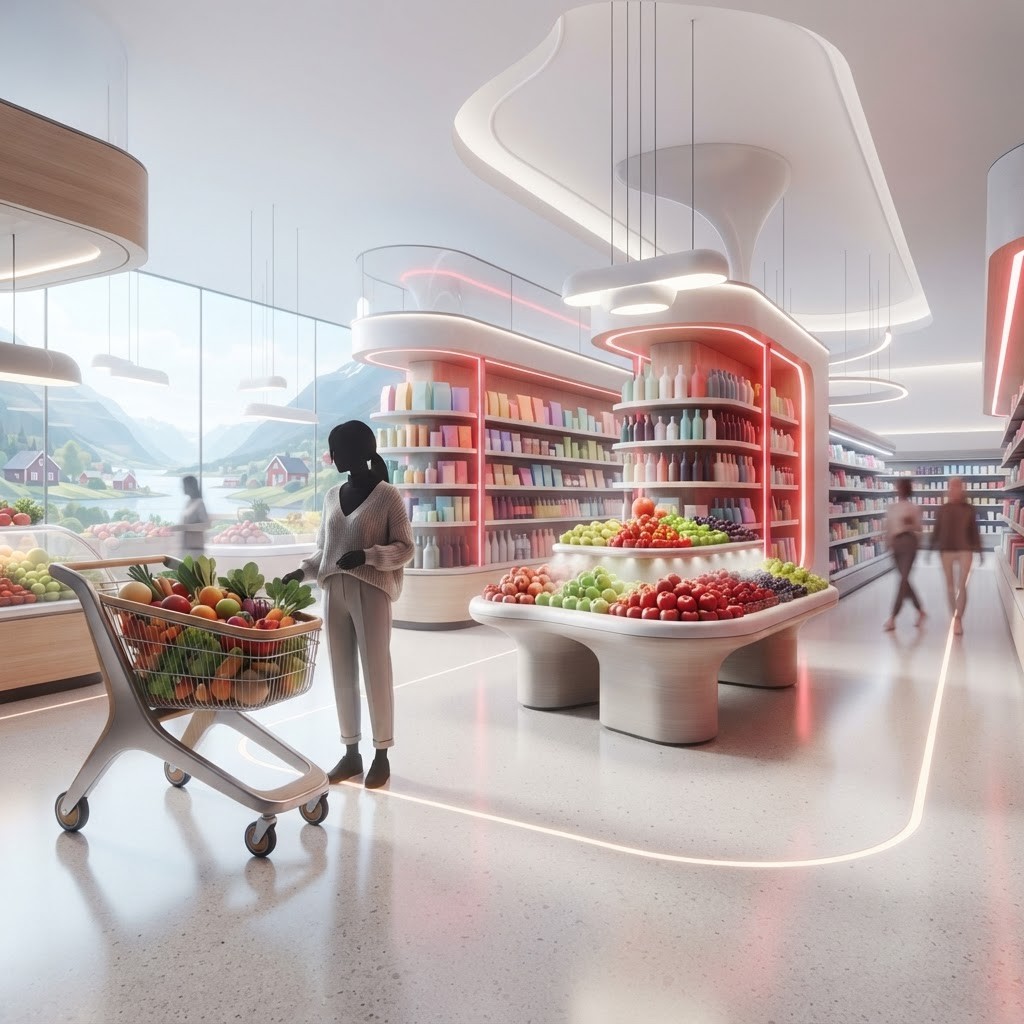
Understanding the Norwegian Grocery Market
Grocery shopping is a daily essential, and in Norway the market is shaped by a few powerful chains that compete on price, quality, selection, and convenience. The Norwegian grocery sector is known for its high standards of food safety, strong emphasis on local and sustainable products, and a growing focus on health and organic options. Understanding the strengths of each chain helps shoppers make informed choices that fit their budgets and preferences.
Norway's geography, with its dispersed population and remote communities, has driven supermarkets to develop extensive distribution networks and reliable supply chains. From discount stores that keep prices low to premium supermarkets offering gourmet selections, the market caters to a wide range of needs while maintaining the quality and safety standards Norwegian consumers expect.
What Makes a Great Supermarket Chain
Shoppers evaluate supermarkets on price competitiveness, product range, freshness, store accessibility, and customer experience. Loyalty programs, private-label quality, and the availability of local, organic, and specialty products are increasingly important. Convenience factors such as store hours, location density, and online grocery services also influence where Norwegians choose to shop.
The Top 10 Supermarket Chains in Norway
1. Rema 1000 is one of Norway's most popular discount grocery chains, known for consistently low prices, a straightforward shopping experience, and a strong commitment to quality private-label products. Its simple concept resonates with value-conscious families.
2. Kiwi is a leading discount chain recognized for competitive prices and a strong focus on fruit and vegetables, often offering price guarantees and health-oriented initiatives that appeal to budget-minded and health-conscious shoppers.
3. Coop operates a family of stores including Coop Extra, Coop Prix, and Coop Mega, offering everything from discount groceries to fuller-service supermarkets. As a cooperative, it returns benefits to its members and enjoys strong loyalty.
4. Meny represents the premium end of the market, celebrated for its wide selection, fresh produce, quality meat and seafood counters, and gourmet products. It appeals to shoppers seeking variety and higher-end options.
5. Spar offers a balanced supermarket experience with a broad product range and convenient locations, serving both urban and rural communities reliably.
6. Bunnpris is an independent chain known for competitive prices and a focus on customer service, maintaining a loyal following in many communities.
7. Coop Extra deserves individual mention as a fast-growing discount format within the Coop family, combining low prices with a wide assortment that attracts value seekers.
8. Joker serves smaller communities and neighborhoods with convenient local stores, filling an important role in areas where larger supermarkets are less accessible.
9. Coop Mega offers a fuller-service supermarket experience with expanded fresh food and specialty sections, catering to shoppers who want more variety and quality.
10. Oda is Norway's pioneering online grocery service, delivering a full range of products directly to customers' doors and leading the way in digital grocery convenience.
Trends Shaping Norwegian Grocery Shopping
Health and sustainability are dominant themes in the Norwegian grocery market. Consumers increasingly seek organic produce, plant-based alternatives, and locally sourced products. Chains have responded by expanding their healthy and sustainable ranges, reducing food waste through discounted near-expiry items, and cutting down on plastic packaging. Transparency around sourcing and animal welfare has also become a key differentiator.
Online grocery shopping has grown rapidly, led by pioneers like Oda and complemented by the digital services of established chains. Home delivery and click-and-collect options offer convenience for busy households and those in areas where physical store access is limited, transforming how many Norwegians buy their groceries.
Value, Quality, and Local Sourcing
Norwegian supermarkets balance affordability with a strong commitment to quality and local sourcing. Private-label products have improved significantly, offering excellent value without compromising standards. Support for Norwegian farmers, fisheries, and producers is a point of pride for many chains, and shoppers increasingly favor products that carry local and sustainability certifications. This emphasis on domestic sourcing supports the national economy while ensuring freshness and traceability.
Tips for Smart Grocery Shopping
To save money, compare prices between discount chains like Rema 1000 and Kiwi, and take advantage of loyalty programs and weekly offers. For quality and variety, premium stores like Meny are worth visiting for special meals and fresh counters. Consider online services such as Oda for convenience, especially for bulk shopping. Buying seasonal and local produce not only supports sustainability but often offers better value and freshness.
Conclusion
Norway's supermarket chains offer a well-rounded mix of value, quality, and convenience. From budget-friendly discount leaders to premium and online options, shoppers have plenty of choice to suit their needs. With a strong focus on health, sustainability, and local sourcing, these chains reflect the values of Norwegian consumers and continue to evolve to meet changing expectations.
