
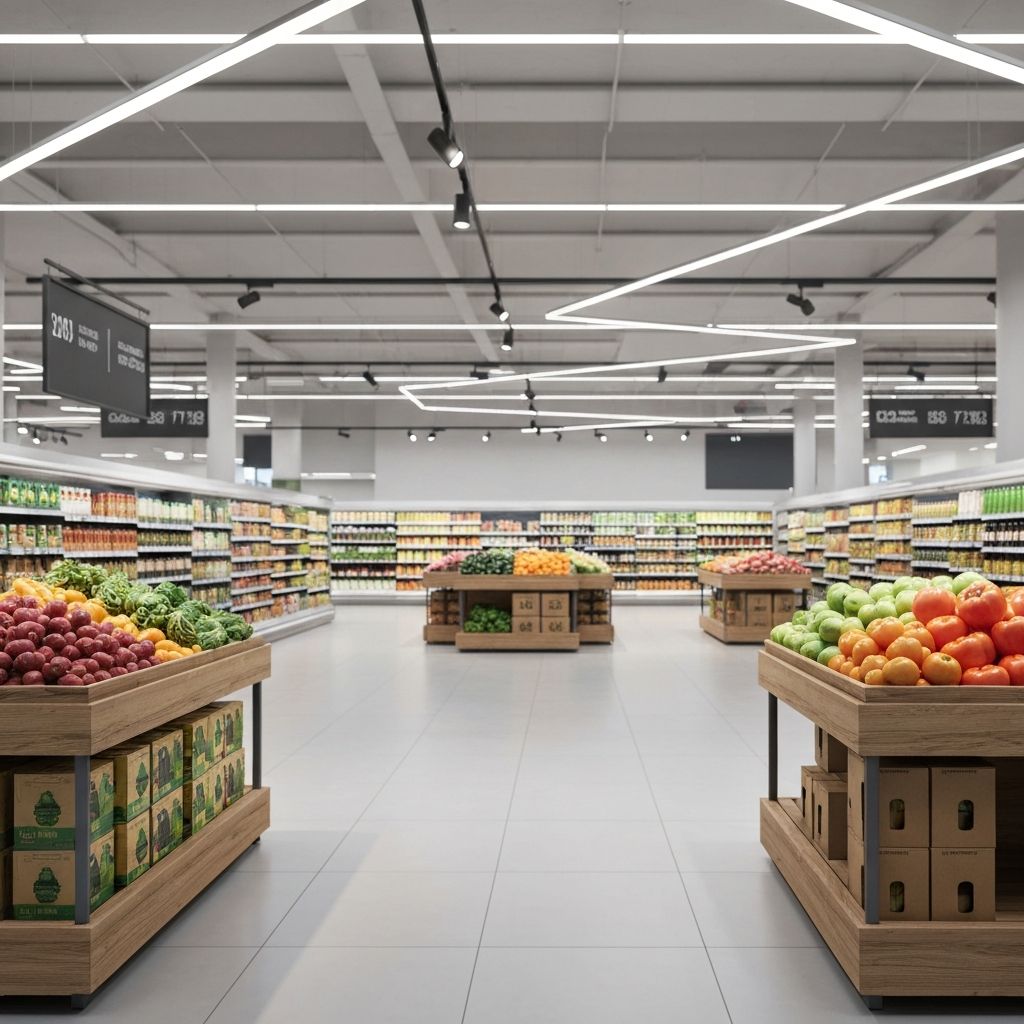
The Supermarket Revolution in Indian Grocery
India's grocery retail landscape has undergone a significant transformation with the emergence of organized supermarket chains. Traditionally dominated by neighborhood kirana stores, the sector now features modern retail formats offering convenience, variety, and quality assurance. Supermarkets have introduced standardized pricing, air-conditioned shopping environments, and quality controls that traditional retail often lacked. However, the convenience of local stores and relationship-based shopping means supermarkets complement rather than replace kirana retail.
The Indian supermarket sector continues to evolve, with chains expanding into smaller cities, developing private labels, and integrating digital capabilities for online ordering and delivery. The best supermarkets combine product variety, competitive pricing, freshness guarantees, and convenient shopping experiences that justify consumer choice over traditional alternatives.
Reliance Fresh and Reliance Smart: Retail Giants
Reliance Retail operates India's largest supermarket network through Reliance Fresh neighborhood stores and Reliance Smart supermarkets. Their scale enables competitive pricing through efficient supply chains and direct sourcing from farmers and manufacturers. Reliance Fresh stores focus on fresh produce, dairy, and daily necessities for neighborhood convenience. Reliance Smart larger formats offer comprehensive grocery selections alongside general merchandise. Integration with JioMart enables seamless online-offline shopping experiences that leverage digital capabilities.
DMart: The Value Champion
DMart, operated by Avenue Supermarts, has built an exceptional reputation for value-driven grocery retail. Their everyday low pricing strategy eliminates the need for promotional discounts, simplifying shopping decisions. DMart's no-frills store formats minimize operational costs, enabling lower prices passed on to customers. Their focus on essential groceries and household items ensures high inventory turnover and freshness. DMart's disciplined expansion and operational efficiency have made it one of India's most profitable retailers, proving that value retailing can be both customer-friendly and financially successful.
Big Bazaar: Hypermarket Pioneer
Big Bazaar, part of Future Group, introduced the hypermarket concept to India, combining grocery with fashion, home goods, and electronics under one roof. Their stores create festival-like shopping environments, particularly during sale events like the Republic Day Sale and Mahabachat. Big Bazaar's understanding of Indian value-seeking behavior and promotion-driven purchasing has shaped their retail strategy. While facing challenges, Big Bazaar remains an important player in Indian mass retail.
Spencer's Retail: Quality and Gourmet
Spencer's positions itself as a quality-focused supermarket offering premium products alongside everyday essentials. Their stores feature extensive gourmet selections, imported products, and organic options that appeal to discerning consumers. Spencer's strength lies in urban markets where customers prioritize quality over aggressive discounting. Their smaller store formats integrate well into residential neighborhoods, offering convenience with curated selections.
More Supermarket: Neighborhood Convenience
More Supermarket operates as a neighborhood supermarket chain focusing on daily essentials and fresh products. Their stores emphasize convenience—locations close to residences, focused assortments, and quick shopping trips. More's integration with Amazon India has enhanced their e-commerce capabilities, enabling online ordering with store fulfillment. The chain serves customers who seek supermarket organization without the time commitment of hypermarket shopping.
Star Bazaar: Tata's Hypermarket
Star Bazaar, part of Tata's Trent Limited, operates hypermarkets offering groceries and general merchandise. Their stores combine Westside fashion retail with grocery sections, creating comprehensive shopping destinations. Star Bazaar emphasizes quality and trust leveraging the Tata brand reputation. Their focus on customer service and store experience differentiates them in competitive markets.
Spar Hypermarket: International Format
Spar brought international hypermarket standards to India through its partnership with Max Hypermarkets. Their stores feature extensive product ranges across groceries and general merchandise with modern retail practices. Spar's strength lies in fresh food sections, particularly bakery, deli, and prepared foods that offer convenience for time-pressed consumers. Their international sourcing capabilities enable unique product selections not available at domestic chains.
Nature's Basket: Premium Grocery
Nature's Basket, now part of Spencer's Retail, caters to premium consumers seeking gourmet, organic, and imported products. Their stores feature curated selections of specialty foods, wines, and international cuisines. Nature's Basket serves urban food enthusiasts who seek quality ingredients for home cooking and entertaining. While niche, this format addresses growing demand for premium grocery among affluent Indian consumers.
Nilgiri's: South Indian Heritage
Nilgiri's represents one of South India's oldest organized retail chains, with heritage dating back decades. Their dairy products, particularly Nilgiri's butter and cheese, have iconic status in South Indian households. Nilgiri's stores combine grocery retail with their own dairy and bakery products, creating differentiated offerings. Their understanding of South Indian food preferences enables relevant assortments that resonate with regional consumers.
Ratnadeep: Hyderabad's Choice
Ratnadeep Super Market dominates grocery retail in Hyderabad and Telangana, understanding local preferences deeply. Their stores offer comprehensive selections including extensive regional products that national chains might overlook. Ratnadeep's loyalty program and customer service have built strong relationships with Hyderabad families. Their regional focus enables specialized service that pan-Indian chains cannot replicate.
The Future of Indian Grocery Retail
Indian supermarkets are evolving to address changing consumer needs. Online grocery ordering has accelerated, with supermarkets developing delivery capabilities and dark store fulfillment centers. Fresh and organic categories are expanding as health consciousness grows. Private label development improves margins while offering value to customers. Technology integration enables personalized promotions and improved inventory management. Despite these changes, the fundamental promise remains—convenient access to quality groceries at fair prices.
Whether you prefer hypermarket one-stop shopping or neighborhood supermarket convenience, India's grocery chains offer options that suit different shopping preferences and lifestyle needs.
