
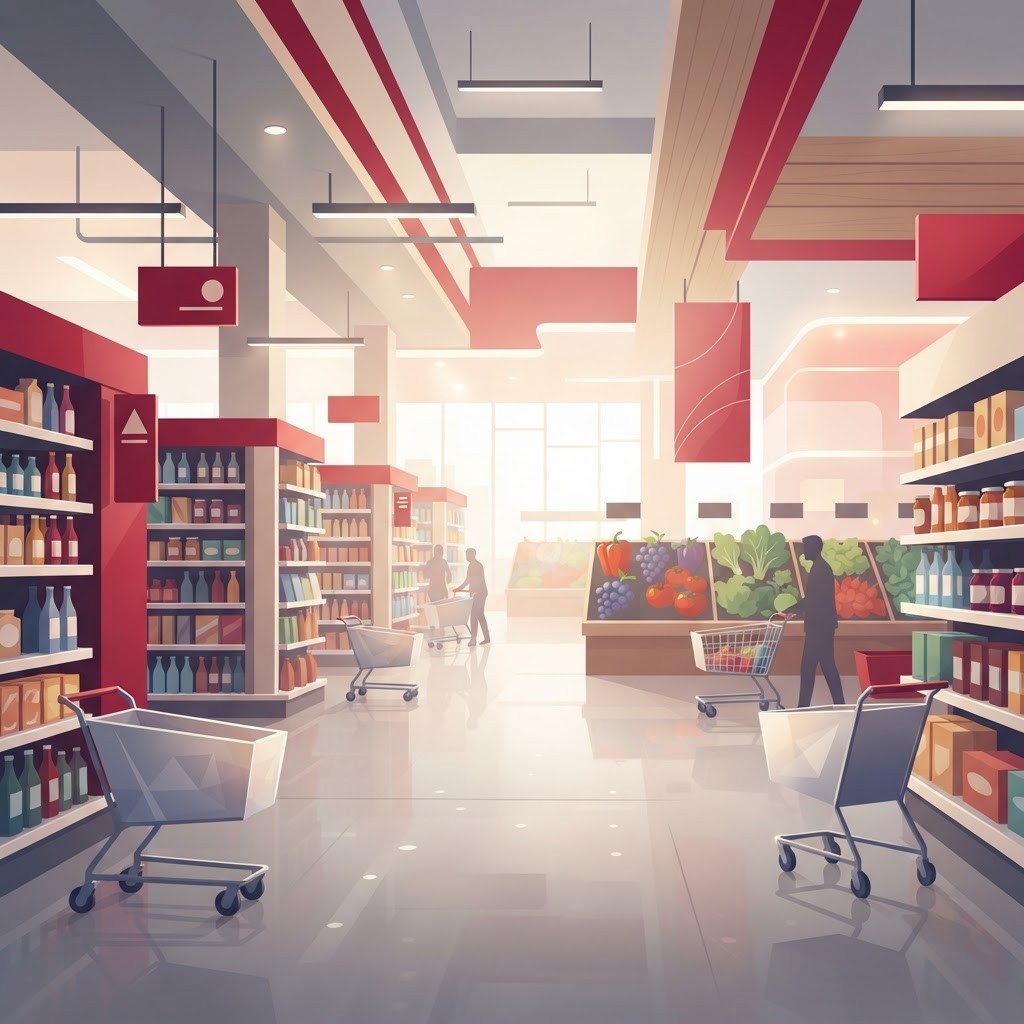
Hungary's Competitive Supermarket Landscape
Grocery shopping is an essential part of daily life, and Hungary boasts a competitive, well-developed supermarket sector that serves millions of customers nationwide. From large international chains to discount retailers and local favorites, the market offers a wide range of options for fresh produce, packaged goods, household essentials, and specialty products. This diversity ensures that consumers across the country can find quality groceries at competitive prices.
The Hungarian supermarket sector reflects broader European retail trends, with strong competition driving value, variety, and convenience. Retailers continually invest in store networks, product ranges, private-label offerings, and increasingly, online shopping and delivery. As a result, customers benefit from a dynamic market that prioritizes affordability, quality, and accessibility.
What Makes a Great Supermarket Chain
The best supermarket chains distinguish themselves through several factors. Product variety and quality are essential, with leading stores offering fresh produce, diverse groceries, and reliable private-label options. Competitive pricing and regular promotions provide value, while convenient store locations and online shopping enhance accessibility. Clean, well-organized stores and good customer service further contribute to a positive shopping experience, making these factors key differentiators in a competitive market.
The Leading Supermarket Chains in Hungary
1. Tesco: One of the largest and most widespread supermarket chains in Hungary, Tesco offers an extensive range of groceries, household goods, and products across many store formats. Its wide reach, competitive pricing, and loyalty programs make it a popular choice.
2. Spar: A well-established chain, Spar provides quality groceries and fresh produce across numerous locations, including convenient neighborhood stores and larger supermarkets. It is valued for reliability and variety.
3. Lidl: A leading discount retailer, Lidl is known for offering quality products at low prices, including a strong selection of fresh produce and private-label goods. Its value-driven approach attracts budget-conscious shoppers.
4. Aldi: Another prominent discount chain, Aldi combines affordability with quality, offering a curated range of groceries and household essentials. Its efficient model appeals to customers seeking value.
5. Auchan: Known for large hypermarkets, Auchan offers an extensive selection of groceries alongside non-food products, providing convenient one-stop shopping at competitive prices.
6. CBA: A major Hungarian retail network, CBA operates numerous stores across the country, offering groceries and everyday essentials with a strong local presence and community focus.
7. Coop: A widespread Hungarian chain, Coop provides accessible grocery shopping through its extensive network, particularly valued in smaller towns and rural areas for convenience.
8. Penny Market: A popular discount supermarket, Penny Market offers affordable groceries and household goods, appealing to price-conscious shoppers seeking everyday value.
9. Reál: A Hungarian retail network known for its neighborhood stores, Reál provides convenient access to groceries and essentials, serving local communities across the country.
10. Metro (Wholesale): Serving businesses and bulk shoppers, Metro offers a wide range of products in large quantities, valued by restaurants, retailers, and customers seeking wholesale options.
Supermarket Trends in Hungary
Several trends are shaping the Hungarian supermarket sector. Online grocery shopping and home delivery are growing steadily, offering customers greater convenience. Private-label products continue to gain popularity, providing quality alternatives at lower prices. There is also increasing demand for fresh, healthy, and organic products, as well as sustainable practices. Discount retailers remain highly competitive, driving value across the market and influencing pricing strategies industry-wide.
The Role of Discount Retailers
Discount chains such as Lidl, Aldi, and Penny Market have significantly shaped Hungary's supermarket landscape. By offering quality products at low prices, these retailers appeal to value-conscious shoppers and intensify competition across the sector. Their efficient models, strong private-label ranges, and regular promotions have raised expectations for affordability and quality. As a result, discount retailers play a central role in the market, benefiting consumers through competitive pricing.
How to Choose the Right Supermarket
When choosing a supermarket, consider factors such as product range, quality, and pricing. Store location and convenience are important for regular shopping, while online options and delivery add flexibility. Evaluate the availability of fresh produce, private-label products, and specialty items based on your needs. Loyalty programs and promotions can also enhance value. Balancing these factors helps ensure a convenient, cost-effective, and satisfying grocery shopping experience.
Conclusion
Hungary's supermarket chains offer a competitive, diverse, and value-driven grocery shopping landscape. From major players like Tesco and Spar to discount leaders such as Lidl and Aldi, and local networks like CBA and Coop, consumers enjoy wide selections, quality products, and great prices. Whether prioritizing convenience, affordability, or fresh, quality groceries, the top supermarket chains featured here provide the variety and value that make everyday shopping accessible and rewarding across Hungary.
