
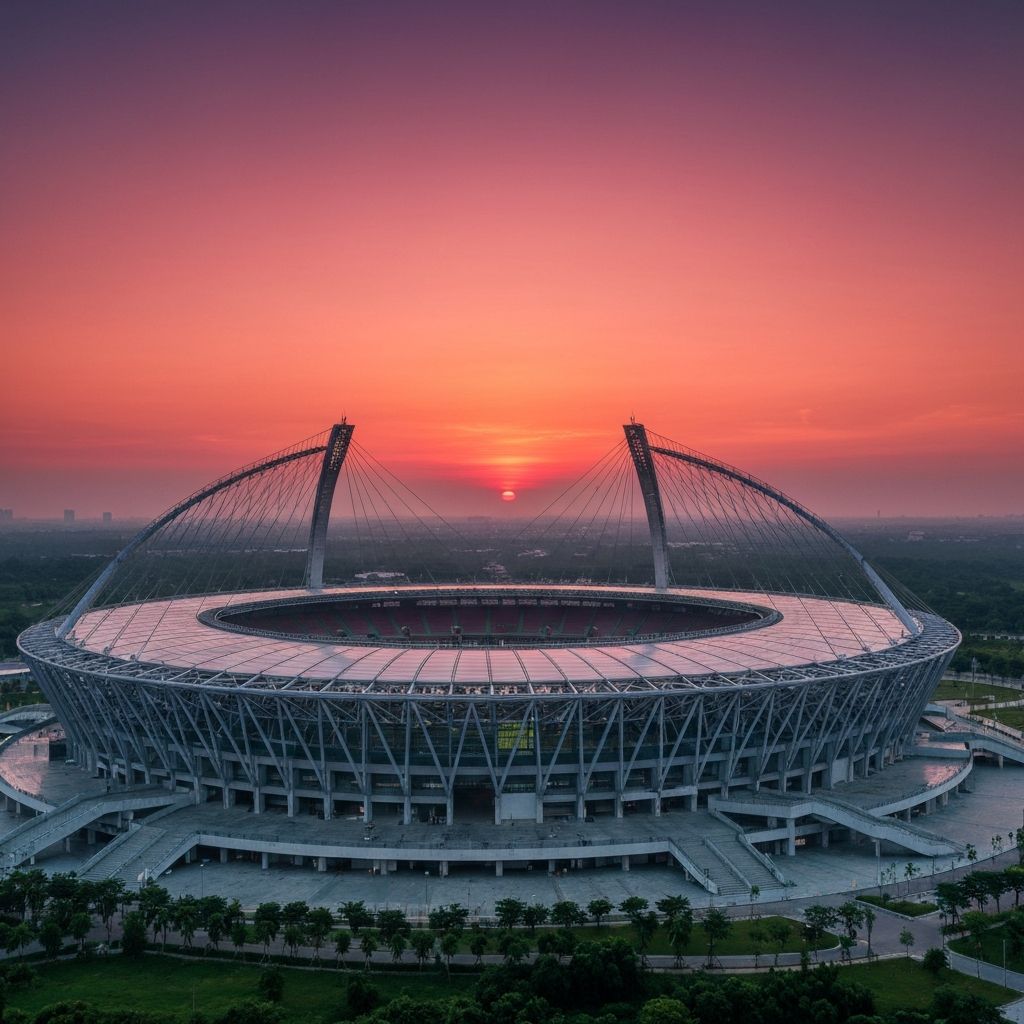
Vietnam's Growing Sports Infrastructure
Sports culture in Vietnam has flourished over the past two decades, supported by significant investments in modern stadiums and athletic facilities. From the energetic football matches of the V.League to international tournaments and SEA Games events, stadiums play a central role in shaping the nation's sporting identity. These venues are not only architectural landmarks but also gathering points for communities passionate about athletics.
Why Vietnamese Stadiums Stand Out
Vietnamese stadiums combine functional design with cultural symbolism. Many feature distinctive façades, multi-purpose layouts, and seating capacities suitable for both domestic leagues and international competitions. Cities such as Hanoi, Ho Chi Minh City, Hai Phong, and Nam Dinh take great pride in their home grounds, which often serve as social and emotional centers for local fans.
Top 10 Best Stadiums in Vietnam
1. My Dinh National Stadium — Vietnam's premier sports venue in Hanoi, hosting major football matches, athletics events, and international ceremonies with a capacity exceeding 40,000.
2. Thong Nhat Stadium — A historic venue in Ho Chi Minh City known for football matches and cultural events with a vibrant atmosphere.
3. Hang Day Stadium — One of Hanoi's oldest stadiums, deeply tied to the development of Vietnamese football.
4. Lach Tray Stadium — The pride of Hai Phong, famous for its passionate fanbase and electric matchday energy.
5. Thien Truong Stadium — Located in Nam Dinh, regarded as one of the loudest and most atmospheric grounds in the country.
6. Cam Pha Stadium — A modern venue in Quang Ninh province serving as a hub for football development.
7. Go Dau Stadium — Home of Becamex Binh Duong, recognized for hosting top-tier domestic and continental matches.
8. Pleiku Stadium — Home of Hoang Anh Gia Lai, set in scenic highlands and known for its youth-focused football culture.
9. Vinh Stadium — Located in Nghe An, a hotbed for football talent and home to the Song Lam Nghe An club.
10. Tam Ky Stadium — A modern venue in Quang Nam that has become an important regional sporting hub.
Trends in Stadium Development
Vietnam continues to upgrade its sports infrastructure with improved lighting systems, hybrid playing surfaces, modern locker rooms, and enhanced spectator amenities. Multi-purpose stadiums capable of hosting concerts and cultural events have also become a growing trend, helping cities maximize the value of these venues.
The Cultural Importance of Stadiums
Beyond hosting sports, stadiums in Vietnam serve as cultural icons that bring people together. Match days transform cities into festive environments filled with chants, flags, and shared excitement. These venues nurture youth development programs and inspire future generations of Vietnamese athletes.
Conclusion
Vietnam's top stadiums represent more than just sporting arenas — they are symbols of national pride, regional identity, and athletic ambition. As the country continues to invest in modern facilities, these venues will play an even greater role in elevating Vietnam's presence in regional and global sports.
