
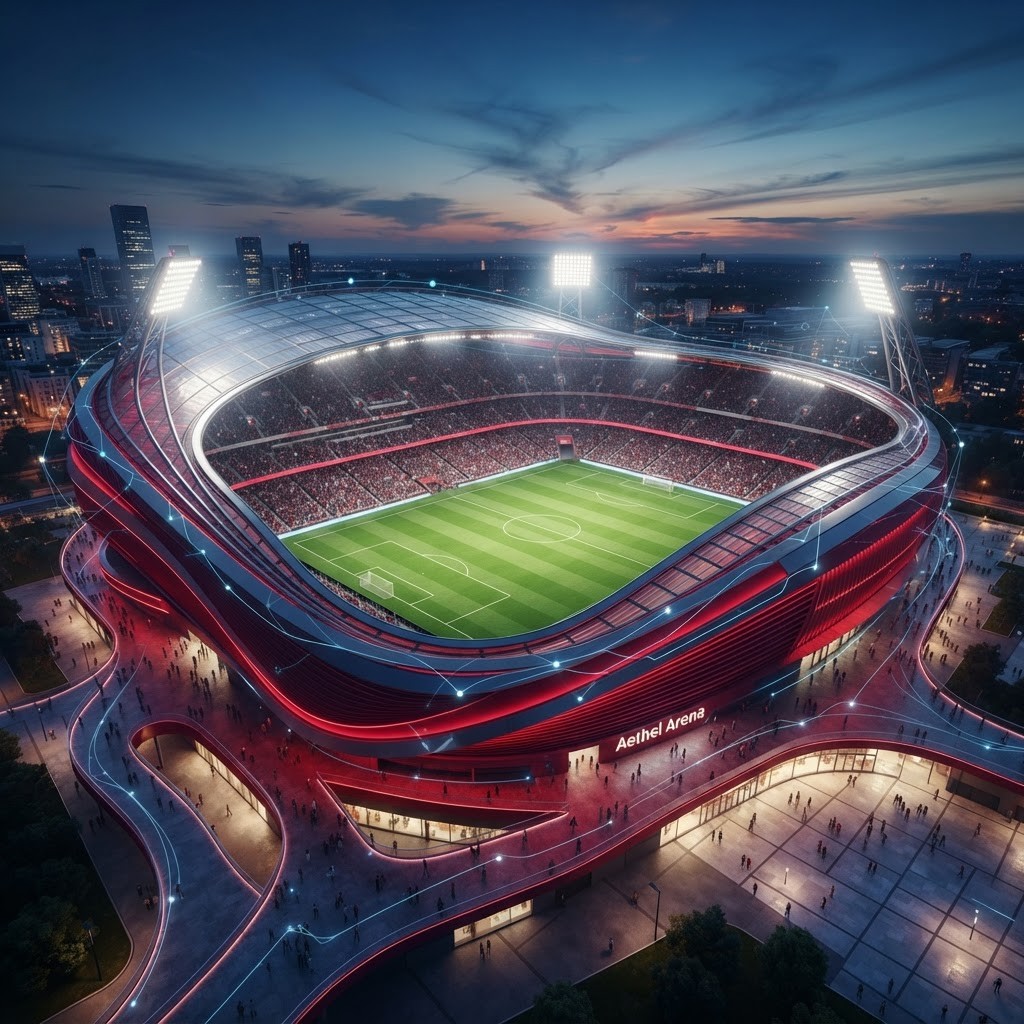
Portugal's Passion for Sport and Stadium Culture
Football is woven into the fabric of Portuguese life, and the country's stadiums stand as monuments to this enduring passion. From the roaring crowds of Lisbon and Porto to the architectural marvels built for major international tournaments, Portuguese stadiums offer some of the most memorable sporting experiences in Europe. Many were designed or renovated for the 2004 European Championship, leaving a legacy of world-class venues.
Beyond football, these stadiums host concerts, cultural events, and community activities, serving as vibrant hubs for their cities. Their striking designs, rich histories, and electric atmospheres attract visitors from around the world. For sports enthusiasts and architecture lovers alike, Portugal's stadiums are essential destinations.
What Makes a Great Stadium
A truly great stadium combines architectural excellence, atmosphere, and functionality. Design plays a crucial role, from sweeping rooflines to intimate seating layouts that bring fans close to the action. Capacity, accessibility, and modern facilities all contribute to the spectator experience.
History and identity are equally important. The most beloved stadiums are steeped in memorable moments and deeply connected to their clubs and communities. Atmosphere, generated by passionate supporters, transforms a match into an unforgettable event. Together, these elements define the finest venues in the country.
The Top 10 Stadiums in Portugal
1. Estádio da Luz in Lisbon, home to Benfica, is the largest stadium in Portugal. Its striking red architecture and electric atmosphere make it one of Europe's most iconic football grounds.
2. Estádio do Dragão in Porto, home to FC Porto, is celebrated for its modern design and passionate crowds. Built for Euro 2004, it remains a symbol of the city's sporting pride.
3. Estádio José Alvalade, home to Sporting CP in Lisbon, dazzles with its colourful, contemporary architecture and vibrant matchday energy.
4. Estádio Municipal de Braga is an architectural masterpiece carved into a former quarry. Its dramatic setting and innovative design have earned international acclaim.
5. Estádio D. Afonso Henriques in Guimarães blends history and tradition, offering an intense atmosphere rooted in the birthplace of Portugal.
6. Estádio Algarve serves the southern region with a modern, versatile venue that hosts football matches, concerts, and major events.
7. Estádio do Bessa in Porto, home to Boavista, is a compact, atmospheric ground beloved for its close-knit community feel.
8. Estádio Cidade de Coimbra combines a scenic setting with modern facilities, serving as a key venue in the central region.
9. Estádio do Restelo in Lisbon, home to Belenenses, offers stunning views over the Tagus River and a rich sporting heritage.
10. Estádio Municipal de Aveiro rounds out the list with its distinctive colourful design and multipurpose capabilities, a legacy of Euro 2004.
Trends in Stadium Design and Experience
Modern stadium design increasingly prioritizes sustainability and multifunctionality. Many Portuguese venues have adopted energy-efficient lighting, solar panels, and water-recycling systems. Flexible layouts allow stadiums to host not only football but also concerts, conferences, and community events, maximizing their value year-round.
Technology is also enhancing the fan experience. Improved connectivity, digital ticketing, and interactive features are becoming standard. These innovations make attending matches more convenient and immersive, ensuring stadiums remain relevant in a rapidly changing world.
Visiting a Stadium: Tips for Fans
For visitors hoping to experience Portuguese football firsthand, attending a match is an unforgettable adventure. Booking tickets in advance is wise, especially for high-profile fixtures involving Benfica, FC Porto, or Sporting CP, which often sell out quickly. Arriving early allows fans to soak up the pre-match atmosphere, explore the stadium, and enjoy local food and drink.
Many stadiums also offer guided tours and museums, providing fascinating insights into their history and the clubs they represent. These tours are ideal for those who wish to explore the venues outside of matchdays. Respecting local customs, joining in with supporters' chants, and embracing the passionate energy of the crowd all enhance the experience. Whether attending a league match or simply touring an iconic ground, fans are sure to leave with lasting memories of Portugal's remarkable stadium culture and the devotion of its supporters.
The Cultural and Economic Impact
Stadiums are far more than sporting venues; they are engines of local pride and economic activity. Matchdays draw thousands of visitors, supporting hotels, restaurants, and businesses. Major events bring international attention and tourism, boosting the wider economy.
These venues also foster a strong sense of community and identity. They are gathering places where generations share in triumph and heartbreak, forging lasting memories. For many Portuguese cities, their stadium is a cherished landmark and a source of collective pride.
Final Thoughts
Portugal's stadiums represent the perfect union of architecture, history, and sporting passion. From the grandeur of the Estádio da Luz to the artistry of Braga's quarry stadium, each venue tells a unique story. Whether you are a football fan or simply an admirer of remarkable design, exploring these iconic grounds offers an unforgettable glimpse into Portugal's vibrant sporting culture.
