
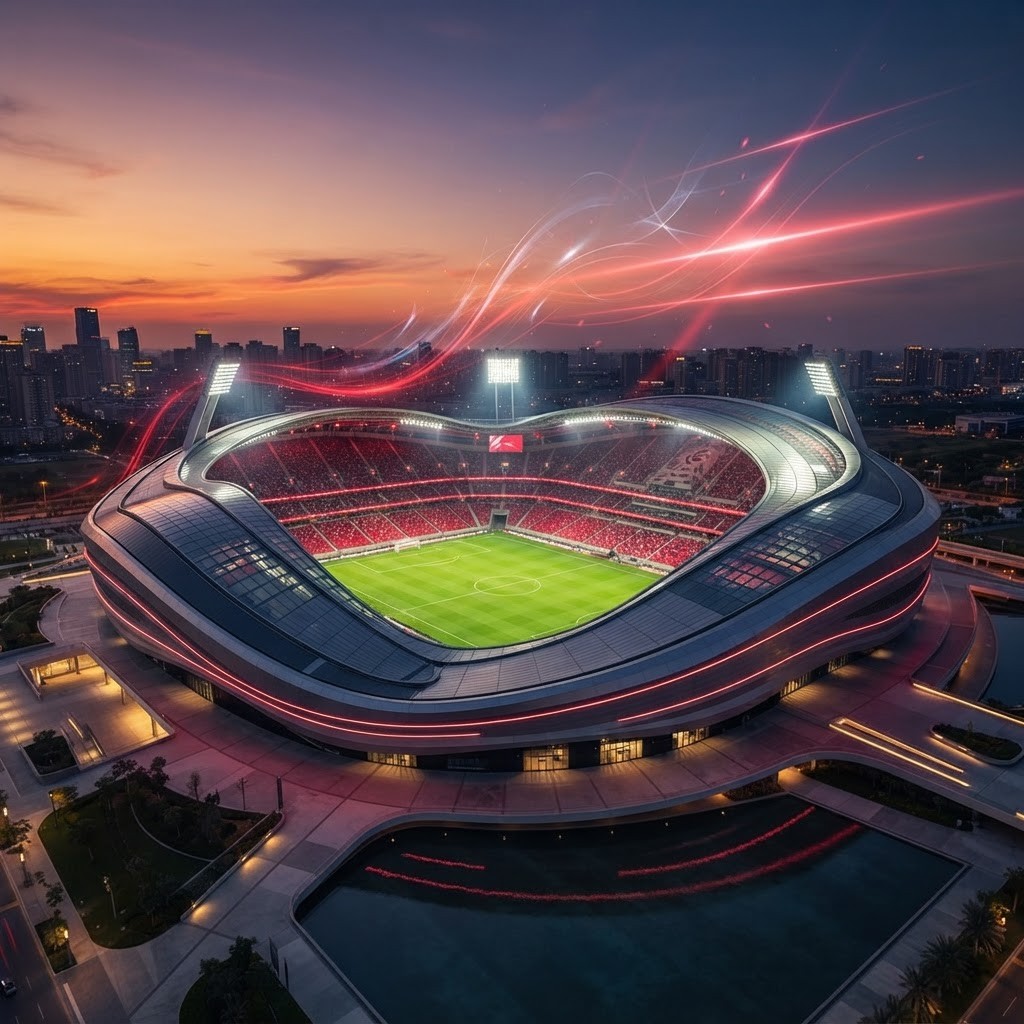
The Role of Stadiums in Mauritanian Sports Culture
Stadiums hold a special place in Mauritanian life, serving as venues for football matches, athletics competitions, national celebrations, and community events. Football is by far the most popular sport in the country, and stadiums across Mauritania fill with passionate supporters during league matches and international fixtures. These venues do more than host games; they foster community pride, provide platforms for emerging athletes, and contribute to the nation's growing sports infrastructure.
As interest in organized sports continues to rise, investment in stadium facilities has become increasingly important. Modern amenities, improved playing surfaces, and expanded seating capacity all enhance the experience for athletes and spectators alike.
What Makes a Great Stadium
The best stadiums combine capacity, quality playing surfaces, spectator comfort, and accessibility. A well-designed venue offers clear sightlines, adequate shade from the intense sun, reliable facilities, and safe crowd management. For athletes, the condition of the pitch or track directly affects performance and safety, making maintenance a top priority.
Beyond the sporting essentials, great stadiums serve as multipurpose venues capable of hosting concerts, ceremonies, and national events, maximizing their value to the community.
The Top 10 Stadiums
1. Stade Olympique de Nouakchott is the country's premier venue, hosting national team matches and major competitions with the largest capacity in Mauritania.
2. Stade Cheikha Ould Boïdiya is a historic ground in the capital, known for its passionate atmosphere during domestic league fixtures.
3. Stade de Nouadhibou serves the northern coastal city and hosts many of the region's most competitive club matches.
4. Stade Municipal de Kaédi is a key venue in the south, supporting regional football development and community sport.
5. Stade de Rosso plays an important role near the Senegal River, hosting regional tournaments and local competitions.
6. Stade d'Atar serves the Adrar region and provides a vital sporting hub for northern communities.
7. Stade Municipal de Zouérat supports the mining region's active sports scene, drawing enthusiastic local crowds.
8. Stade de Kiffa anchors sporting activity in the Assaba region and hosts a range of football and athletics events.
9. Stade de Sélibaby serves the Guidimaka region, offering an important venue for grassroots sports development.
10. Stade Municipal de Néma completes the list, supporting eastern communities and encouraging youth participation in sport.
The Growth of Sports Infrastructure
Mauritania has made notable strides in developing its sports infrastructure in recent years. Improved facilities and greater investment in the national football program have raised the profile of the sport and encouraged more young athletes to pursue competitive play. Stadiums are central to this progress, providing the venues where talent is discovered and developed.
Regional stadiums play a particularly important role by extending access to quality sporting facilities beyond the capital. This helps distribute opportunities more evenly and strengthens sport at the grassroots level throughout the country.
Enhancing the Spectator Experience
Given Mauritania's climate, shade and comfort are essential considerations for stadium design. Venues that provide covered seating, clean facilities, and efficient crowd flow offer a far better experience for supporters. Many stadiums are working to upgrade amenities to meet rising expectations.
Safety and accessibility remain priorities as attendance grows. Well-managed entry points, clear signage, and organized seating contribute to enjoyable and secure events for families and fans of all ages.
Conclusion
Stadiums are the beating heart of Mauritania's sports culture, uniting communities and showcasing the nation's athletic talent. From the flagship venue in Nouakchott to regional grounds across the country, these stadiums support the growth of football and other sports while providing memorable experiences for fans. Continued investment in these facilities promises an even brighter future for Mauritanian sport.
