
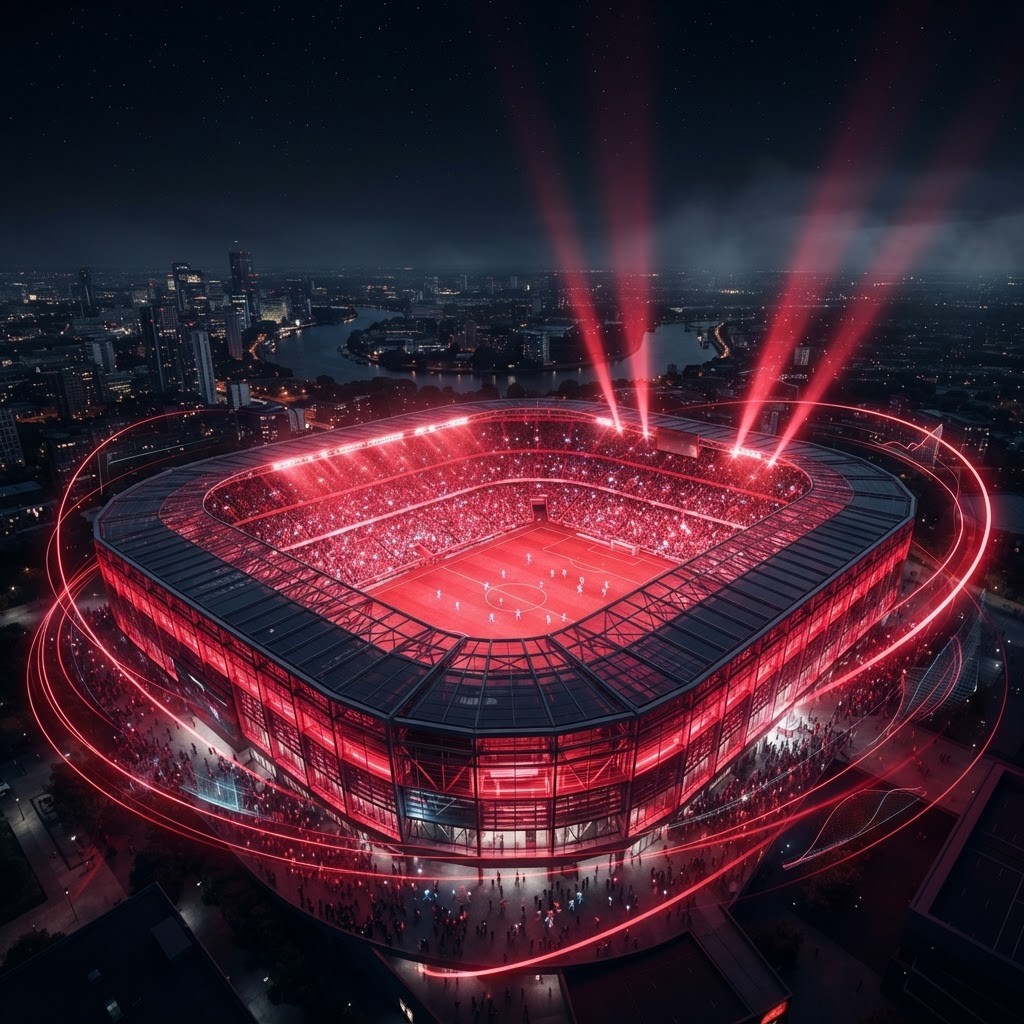
A Sports City With Unusual Range
Louisville punches well above its weight in sports venues. For a city of its size, it offers a rare mix: a globally recognized horse racing facility, a major college football stadium, a modern professional soccer ground, a downtown multipurpose arena, and an intimate minor league ballpark. That variety means residents can watch elite competition across several sports without leaving the metro area.
What makes the local venue landscape particularly interesting is how closely tied it is to identity. Cardinal red saturates the city on football Saturdays, spring revolves around the racing calendar, and summer evenings bring families to baseball and soccer. Venues here are not just buildings; they function as gathering points for neighborhoods and traditions.
The Top 10 Stadiums and Venues in Louisville
1. Churchill Downs The most internationally recognized venue in the city and one of the most famous in all of sport. Its twin spires are a defining local symbol, and the facility hosts the Kentucky Derby along with a full spring and fall racing calendar. Continuous investment has added premium clubhouse areas, expanded paddock viewing, and improved hospitality while preserving the historic character that draws visitors from around the world.
2. L&N Federal Credit Union Stadium Home to University of Louisville football, this stadium has grown through multiple expansion phases into a large-capacity venue with a fully enclosed bowl. Game days transform the surrounding area into an extended tailgating community, and the enclosed design has noticeably improved crowd noise and atmosphere.
3. KFC Yum! Center A downtown arena widely regarded as one of the best in college basketball. It hosts University of Louisville men's and women's basketball along with concerts and touring events. Sightlines, concourse width, and riverfront location make it a standout for both spectators and event promoters.
4. Lynn Family Stadium A soccer-specific stadium in Butchertown built for professional soccer, featuring steep stands that keep supporters close to the pitch. The safe-standing supporters section and adjacent gathering areas have helped establish a genuinely European-feeling match atmosphere.
5. Louisville Slugger Field A minor league ballpark integrated with a historic train shed façade, offering an unusually attractive setting for baseball. Wide concourses, family-friendly pricing, and downtown accessibility make it one of the most approachable venues in the city.
6. Lynn Stadium A collegiate soccer venue known for excellent pitch quality and an intimate seating configuration. Its scale creates strong acoustics and a close-to-the-action experience that larger stadiums cannot match.
7. Jim Patterson Stadium The university's baseball facility, praised for its playing surface, clear sightlines, and modern amenities. Spring games here have developed a loyal following and a relaxed, community-oriented feel.
8. Trager Stadium A multipurpose collegiate facility supporting field hockey and lacrosse programs, with quality turf and grandstand seating that has helped elevate the profile of both sports locally.
9. Cardinal Park Track and Field Complex A competition-grade track facility hosting collegiate meets and youth championships. Its surface and field-event areas make it a regular destination for regional track competition.
10. Louisville Sports Park A large multi-field complex supporting youth and amateur tournaments across soccer, baseball, and softball. While less glamorous than professional venues, it plays a significant role in developing local athletes and drawing tournament visitors to the city.
What Makes a Venue Great
Capacity alone rarely determines quality. Sightlines matter enormously, and the best venues position seating close to the action with minimal obstruction. Acoustics follow from geometry: enclosed bowls and steep rakes trap sound and amplify crowd energy, which is why smaller stadiums often feel louder than larger ones.
Circulation and amenities shape the experience just as much. Wide concourses reduce congestion, varied concession offerings featuring local vendors improve satisfaction, and adequate restroom capacity remains one of the most underrated factors in fan reviews. Accessibility provisions, clear wayfinding, and shaded or covered areas contribute significantly in a climate with hot summers and rainy springs.
Trends in Venue Design and Operation
Modern stadium investment has shifted from simply adding seats to improving experience quality. Premium and social spaces such as standing-room clubs, field-level lounges, and group patios now generate a large share of revenue and appeal to fans who want flexibility rather than a fixed seat.
Technology has changed operations substantially. Mobile ticketing, cashless concessions, and app-based ordering have reduced lines and wait times. High-density wireless networks are now expected, since fans share content throughout events. Sustainability has become a visible priority as well, with recycling programs, water conservation, LED lighting retrofits, and public transit coordination reducing environmental impact.
Year-round utilization is another major trend. Venues designed for a single sport increasingly host concerts, festivals, community events, and youth tournaments to spread fixed costs across more dates and strengthen their economic contribution to the city.
Planning Your Visit
For downtown venues, arriving early and using nearby garages or ride services generally beats searching for street parking. For Churchill Downs during major race dates, planning transportation well in advance is essential. Check bag policies before arriving, since most facilities now enforce clear-bag or size restrictions, and review mobile ticket requirements to avoid gate delays.
Final Thoughts
Louisville's stadium landscape reflects a city that takes its sports seriously across many disciplines. From the international spectacle of Churchill Downs to the tight, vocal atmosphere of a soccer-specific ground, these ten venues offer distinctly different experiences. Together they form one of the more well-rounded sports portfolios of any mid-sized American city.
