
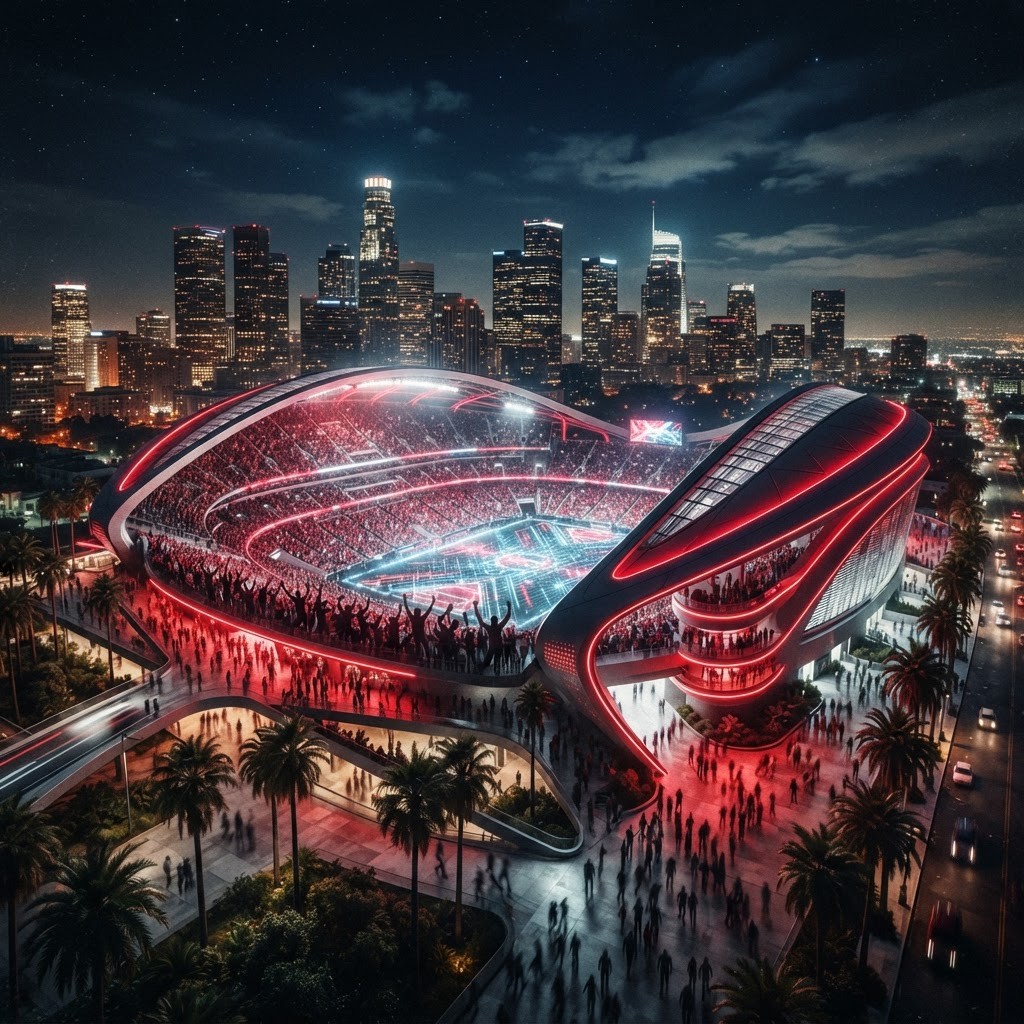
Los Angeles as a World-Class Sports City
Greater Los Angeles brings together historic venues, ambitious architecture, championship traditions, college rivalries, and year-round event weather. The area's best stadiums are more than places to watch a game: they shape neighborhood identity and showcase entertainment, food, technology, and design. This list includes stadiums and major arenas across the metropolitan region, selected for atmosphere, significance, comfort, innovation, and range of events.
1. Dodger Stadium
Opened in 1962, Dodger Stadium remains one of baseball's most recognizable settings. Its hillside location offers views that connect the ballpark to the surrounding city and mountains, while careful renovations have added modern amenities without erasing its Mid-century character. Fans value the layered arrival experience, enduring traditions, and strong sightlines. Because traffic patterns vary by event, planning transportation and arrival time is a meaningful part of the visit.
2. SoFi Stadium
SoFi Stadium in Inglewood is a defining piece of contemporary sports architecture. Its translucent canopy covers the stadium and adjacent plaza while allowing the venue bowl to retain an outdoor quality. The immense double-sided video board makes replays and production visible from across the seating area. As the home of two professional football teams and a destination for global events, it demonstrates how sports, concerts, hospitality, and district-scale development can be integrated.
3. Rose Bowl Stadium
Set against the San Gabriel Mountains in Pasadena, the Rose Bowl combines scale, history, and a memorable natural backdrop. It is closely associated with college football, international soccer, major concerts, and community events. The broad bowl and traditional form create a communal atmosphere unlike newer enclosed venues. Visitors should expect a classic stadium experience and plan carefully for parking, walking, weather, and post-event departure.
4. Los Angeles Memorial Coliseum
The Los Angeles Memorial Coliseum is one of the country's most significant civic sports venues. Its Olympic history, distinctive peristyle, and connection to USC football give it a powerful identity. Renovations have improved seating and amenities while respecting the monumental architecture. Few venues allow spectators to experience this degree of living sports history, and its continued role in major international competition reinforces its importance.
5. Crypto.com Arena
Crypto.com Arena anchors the downtown sports and entertainment district and hosts professional basketball, hockey, concerts, and awards events. Its strength is versatility: the building transforms rapidly while maintaining the premium services expected of a major indoor arena. The surrounding district offers dining and gathering options before and after events. Public transit can be especially useful for avoiding downtown parking pressure.
6. BMO Stadium
BMO Stadium delivers an intimate soccer-focused experience in Exposition Park. Steep seating, close proximity to the pitch, and an open north end contribute to energy and visual connection. It is home to professional soccer and also accommodates concerts and other events. The location near museums, rail, the Coliseum, and USC makes it part of a broader cultural destination rather than an isolated venue.
7. Intuit Dome
Intuit Dome in Inglewood was designed around basketball sightlines, crowd energy, and advanced fan interaction. The building includes a steep supporter-oriented seating section, extensive amenities, and technology intended to streamline entry and participation. Its practice, community, and public spaces expand the project beyond the main arena. For visitors, the most notable difference is the venue's ground-up focus on creating a modern basketball atmosphere.
8. Dignity Health Sports Park
Dignity Health Sports Park in Carson is a multi-venue complex best known for its soccer stadium. Its more moderate scale keeps spectators close to the action and supports a strong match-day atmosphere. The campus has hosted soccer, tennis, track, football, and major international competitions. Fans who prefer a focused sports environment over a massive entertainment complex may find it especially appealing.
9. Angel Stadium
Located in Anaheim, Angel Stadium has served generations of Southern California baseball fans. Though outside Los Angeles proper, it remains an important part of the regional stadium landscape. Its accessibility for many Orange County communities, broad concourses, and recognizable outfield setting support a traditional family ballpark experience. Future district plans may evolve, but the venue's place in local baseball culture is well established.
10. UCLA's Pauley Pavilion
Pauley Pavilion is an indoor arena rather than a field stadium, yet its collegiate legacy earns it a place among the area's essential sports venues. Located on UCLA's campus, it carries extraordinary basketball history and hosts volleyball, gymnastics, and other events. Renovation improved public spaces and operations while preserving the intimacy that makes college competition compelling. The campus setting adds a distinctive sense of place.
Choosing the Right Venue Experience
The best stadium depends on the event and the atmosphere a visitor wants. Baseball fans may prioritize tradition and open-air views, soccer supporters may prefer proximity and coordinated crowd energy, and concertgoers may focus on acoustics, production, and transit. Seating level can dramatically change the experience in very large venues, so study the layout before purchasing. Accessibility services, bag policies, mobile entry procedures, and transportation guidance should also be reviewed in advance.
A Region Built for Major Events
Los Angeles venues reflect different eras of civic ambition, from the Coliseum and Rose Bowl to SoFi Stadium and Intuit Dome. Together they give the region uncommon flexibility for local seasons and global spectacles. What distinguishes the strongest venues is not technology alone, but a clear identity, effective connection to the game or performance, and an arrival experience that feels rooted in Southern California.
