
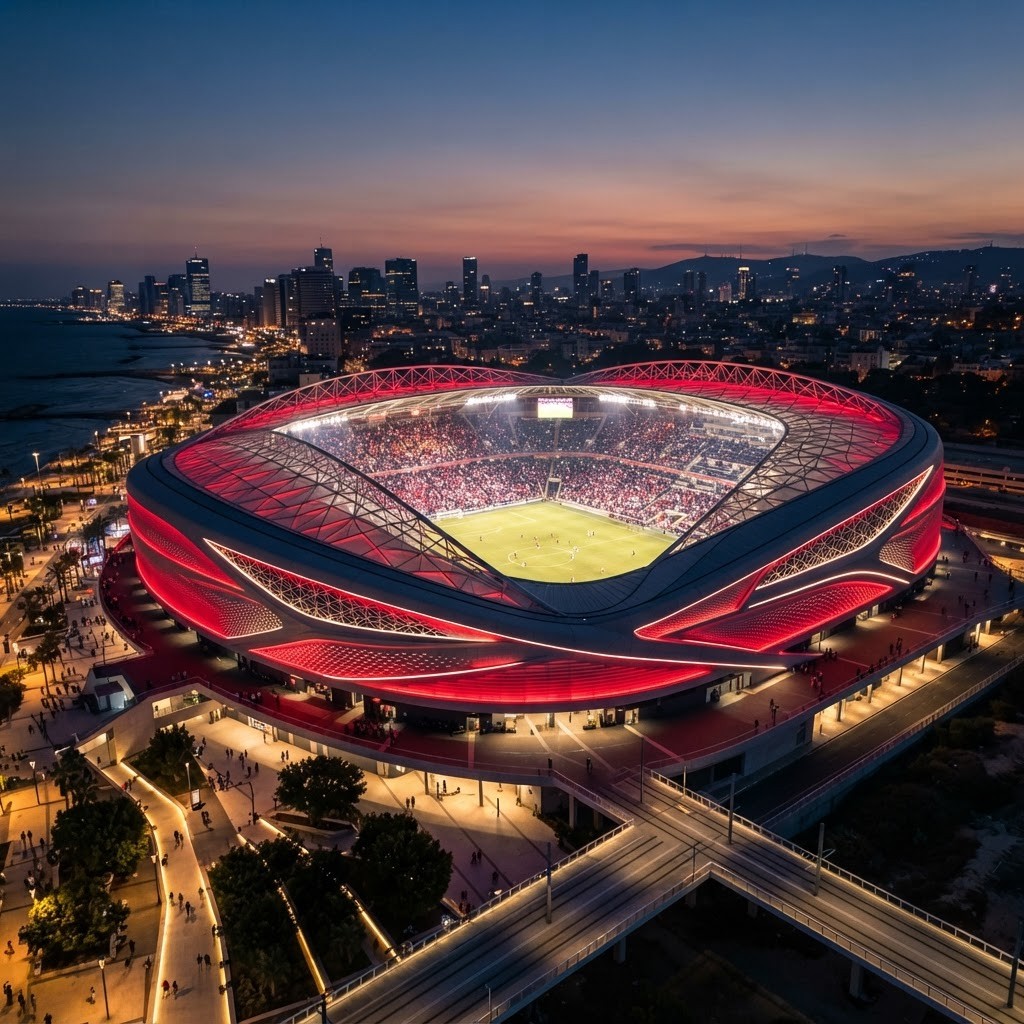
The Heart of Israeli Sport
Stadiums are more than venues in Israel—they are cultural landmarks that host football derbies, international matches, concerts, and community events. Over the past two decades, the country has invested significantly in modern sporting infrastructure, replacing aging grounds with state-of-the-art arenas that meet international standards. These stadiums reflect a national passion for football and athletics, drawing passionate crowds and elevating the matchday experience for fans across every region.
Modern Design Meets Passionate Fans
Israeli stadium design has embraced contemporary architecture, sustainable engineering, and fan-focused amenities. Modern venues feature cantilevered roofs, energy-efficient lighting, improved acoustics, and accessible seating. Beyond aesthetics, these upgrades enhance safety and comfort, encouraging families and international visitors to attend. The result is a matchday atmosphere that combines Mediterranean energy with world-class facilities.
Israel's Premier Stadiums
Sammy Ofer Stadium in Haifa is often regarded as the finest in the country, celebrated for its striking wave-inspired design overlooking the Mediterranean and its capacity of over 30,000. Teddy Stadium in Jerusalem is another iconic venue, home to passionate football crowds and known for its electric atmosphere during major matches.
Bloomfield Stadium in Tel Aviv, extensively redeveloped, blends heritage with modern comfort and remains a beloved home for the city's clubs. Netanya Stadium stands out for its sleek, contemporary architecture and versatile design, hosting both football and large-scale events. Turner Stadium in Be'er Sheva has become synonymous with sporting success in the south and offers an intimate yet intense environment for fans.
Doha Stadium in Sakhnin holds a special place in Israeli football, representing community pride and hosting spirited matches. Acre Municipal Stadium serves as an important regional venue in the north, while HaMoshava Stadium in Petah Tikva is admired for its modern facilities and strong local following. Green Stadium in Kfar Saba continues to be a fixture of regional football, and Levita Stadium rounds out the list as a growing venue that supports emerging clubs and youth development.
The Fan Experience
What elevates these stadiums is the atmosphere created by dedicated supporters. Israeli football culture is known for its chanting, choreographed displays, and fierce loyalty. Modern venues amplify this energy through improved sightlines and acoustics, ensuring every seat feels connected to the action. Concessions, family zones, and accessibility features have also improved the overall experience, making stadium visits enjoyable for a broad audience.
Beyond Football
Many of Israel's top stadiums serve as multipurpose venues, hosting international concerts, cultural festivals, and national ceremonies. This versatility maximizes their value to local communities and municipalities, transforming them into year-round gathering places rather than single-use arenas. The economic impact is significant, supporting tourism, hospitality, and local businesses on event days.
Investing in the Future
Continued investment in stadium infrastructure signals Israel's ambition to host larger international fixtures and tournaments. Sustainable technology, expanded capacities, and enhanced transport links are central to future development plans. These improvements not only benefit elite sport but also inspire grassroots participation by making athletics more visible and accessible.
Architecture and Engineering Excellence
The architectural evolution of Israeli stadiums reflects broader trends in global sports design. Contemporary venues prioritize efficient crowd flow, rapid evacuation routes, and weather-resistant materials suited to the Mediterranean climate. Roof structures are engineered to provide shade during hot summer matches while allowing natural ventilation, and pitch technology has advanced to include drainage systems and hybrid turf that withstand heavy use. These engineering achievements ensure that stadiums remain functional and comfortable throughout the year, supporting both competitive fixtures and community events.
Economic and Community Impact
Stadiums generate substantial economic value for the cities that host them. On matchdays, local restaurants, transport services, and retailers benefit from the influx of fans, while the venues themselves create employment in operations, security, hospitality, and maintenance. Beyond direct economic activity, stadiums foster community identity and pride, serving as gathering points that unite residents across generations. Municipalities increasingly view these facilities as long-term investments in urban development and social cohesion, integrating them into broader plans for regeneration and tourism.
Accessibility and Inclusion
Modern Israeli stadiums place growing emphasis on accessibility and inclusion. Wheelchair-accessible seating, dedicated facilities, and family-friendly zones ensure that supporters of all abilities and backgrounds can enjoy live sport. Improved public transport links and parking arrangements make attendance easier, while initiatives to welcome families and younger fans help cultivate the next generation of supporters. This focus on inclusion reflects a commitment to making sport a shared experience that brings communities together, ensuring that live matches remain accessible and enjoyable for every segment of society regardless of age or ability.
Conclusion
Israel's stadiums stand as symbols of national pride, architectural achievement, and sporting passion. From the coastal elegance of Sammy Ofer Stadium to the historic intensity of Teddy Stadium, each venue contributes uniquely to the country's rich sporting tapestry. As investment continues, these arenas will remain vibrant centers of community life, uniting fans and showcasing the best of Israeli sport for generations to come.
