
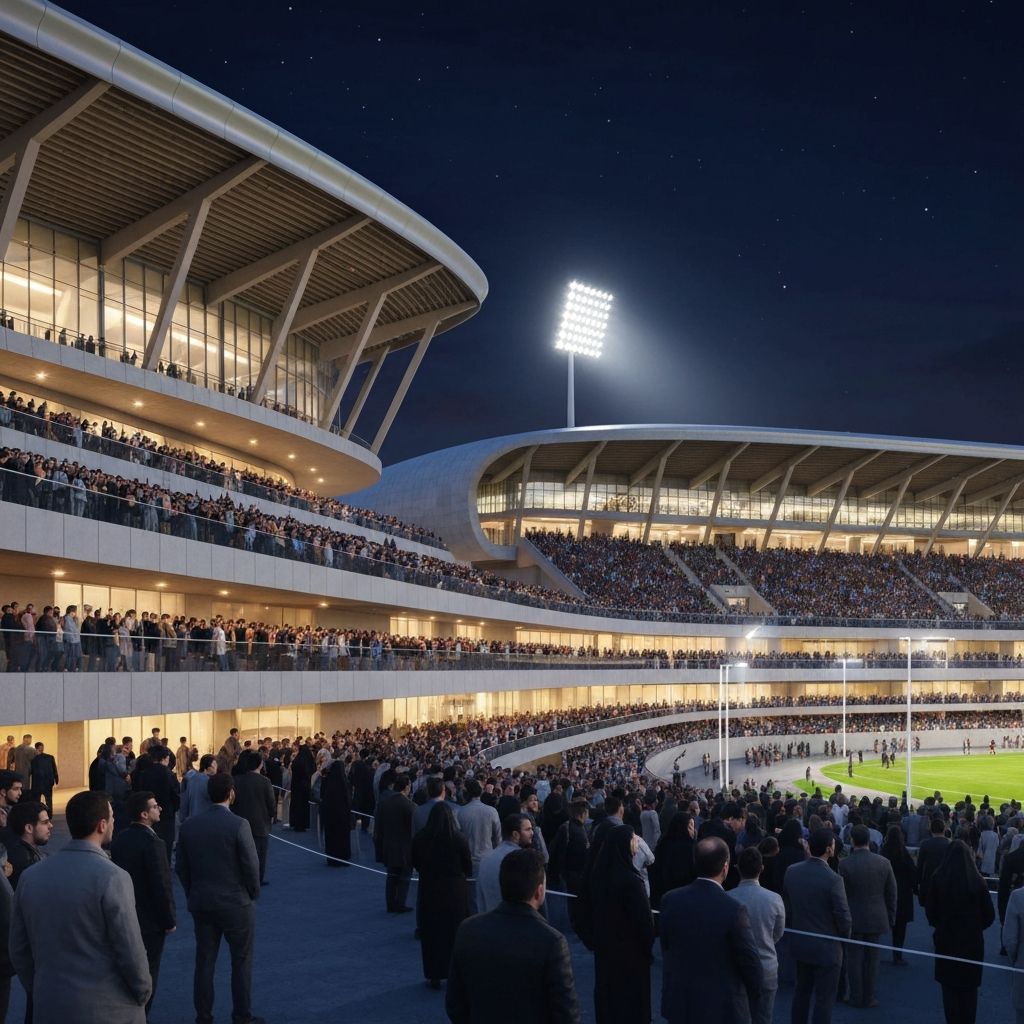
Iran's Passion for Sports and Stadium Culture
Sports, particularly football, are deeply embedded in Iranian culture, and the country boasts some of the largest and most historic stadiums in the Middle East. From massive arenas hosting national derbies to modern venues built for international competitions, Iranian stadiums serve as cultural landmarks where millions of fans gather to celebrate athletic excellence. These stadiums are not just sports venues but also symbols of national pride and community identity.
Why Iranian Stadiums Stand Out
Iranian stadiums are known for their massive capacities, electric atmospheres, and historic significance. Many of them have hosted Asian Cup matches, World Cup qualifiers, AFC Champions League finals, and major track and field events. Their architectural designs range from Soviet-era monumental structures to contemporary venues equipped with modern amenities, advanced lighting, and state-of-the-art pitch technology.
Top Stadiums in Iran
Azadi Stadium in Tehran is the crown jewel of Iranian sports, with a capacity exceeding 78,000. Home to the legendary Tehran derby between Persepolis and Esteghlal, Azadi is widely regarded as one of the most intimidating venues in Asia. Naghsh-e Jahan Stadium in Isfahan, home to Sepahan FC, is the second largest in Iran and has hosted numerous AFC Champions League matches with passionate crowds creating an unforgettable atmosphere.
Yadegar-e Emam Stadium in Tabriz, home to Tractor FC, is famous for its loyal fanbase and electric matchday environment, often regarded as one of the loudest stadiums in the country. Pars Stadium in Shiraz is a modern multi-purpose venue used for football and athletics, recognized for its elegant design and excellent facilities.
Multi-Purpose and Regional Venues
Imam Reza Stadium in Mashhad serves as a key venue in eastern Iran, hosting Padideh FC and other major sporting events with high-quality infrastructure. Foolad Arena in Ahvaz is one of Iran's most modern stadiums, built to international standards with premium seating, advanced lighting, and an exceptional pitch designed for Foolad FC.
Takhti Stadium in Tehran is one of the country's oldest and most historic venues, named after the legendary wrestler Gholamreza Takhti. It hosts football matches as well as athletics events. Bahonar Stadium in Kerman is a beloved regional stadium and home to Mes Kerman FC, known for its strong community following and historic moments in Iranian football.
Modern Sports Complexes
Shohada Stadium in Qom is a well-maintained venue that hosts both domestic football matches and regional sporting events, valued for its accessibility and modern amenities. Ghadir Stadium in Ahvaz rounds out the top ten with its impressive capacity and role as a key venue for Esteghlal Khuzestan FC, known for its passionate Khuzestani supporters.
Architectural and Cultural Significance
Iranian stadiums blend functionality with cultural identity. Many feature distinct architectural elements inspired by Persian heritage, while others embrace contemporary designs with curved facades, retractable seating, and LED-integrated lighting systems. They are gathering places where families, friends, and rival fans come together to share unforgettable experiences, often becoming part of personal and collective memories.
Infrastructure and Fan Experience
Top stadiums in Iran continue to invest in fan experience improvements, including upgraded seating, better food and beverage services, family-friendly zones, and improved transportation links. Security and crowd management have also seen significant advancement, with modern surveillance systems and trained personnel ensuring safe matchdays.
The Future of Iranian Stadiums
Iran is investing in renovating older venues and constructing new state-of-the-art arenas to meet international standards. Sustainability initiatives, including solar-powered lighting and water conservation systems, are being integrated into newer projects. Plans for women-friendly seating areas and improved accessibility for fans with disabilities are also helping evolve the stadium experience.
Conclusion
From the iconic Azadi Stadium to the passionate atmosphere of Yadegar-e Emam, Iran's stadiums represent the heart and soul of the nation's sporting culture. Each venue tells a unique story, weaving together history, architecture, and the unbreakable bond between teams and their supporters. Whether you are a football enthusiast, a sports tourist, or a cultural explorer, visiting these stadiums offers an authentic glimpse into one of Asia's most passionate sporting nations.
