
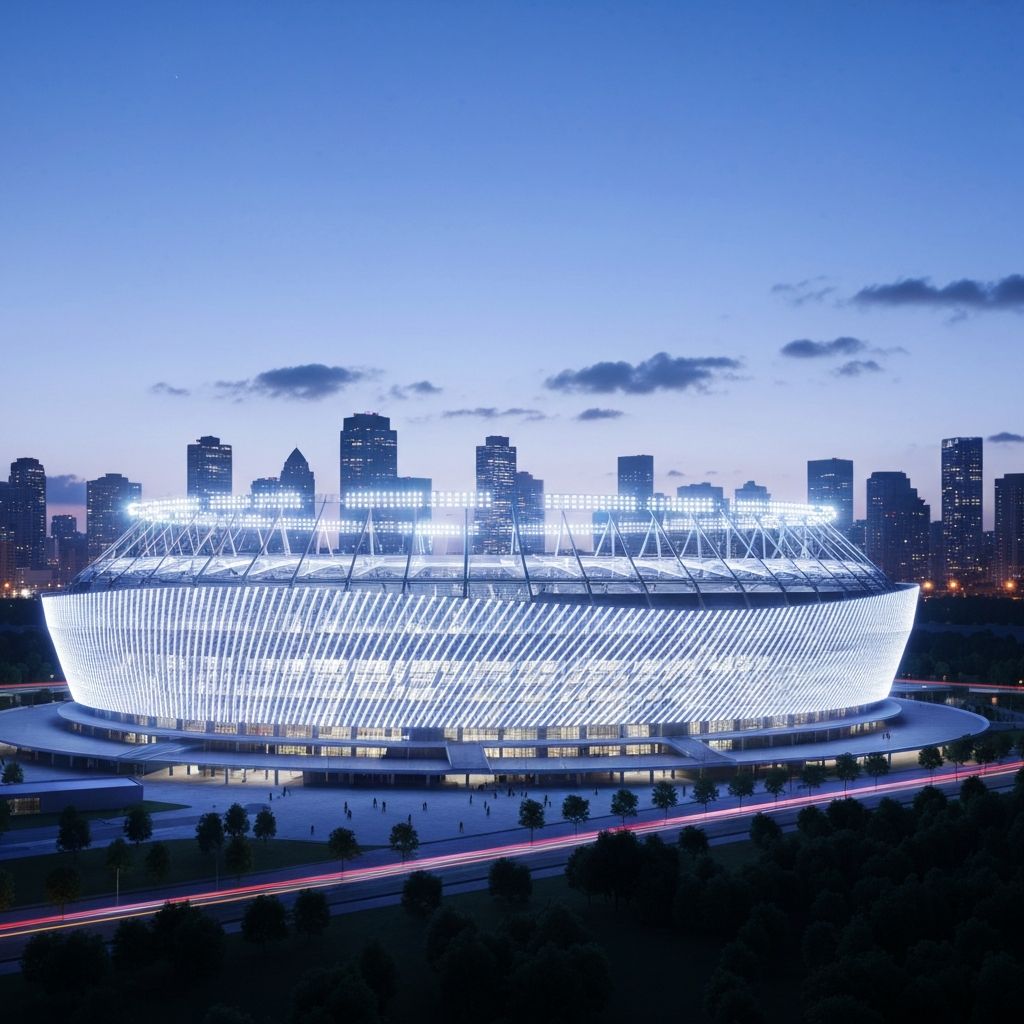
Germany's Stadium Culture
Football is more than a sport in Germany; it is a cultural institution. The country hosts some of the most passionate fan bases in the world, supported by world-class stadium infrastructure. From the iconic Allianz Arena to historic venues that have shaped European football, German stadiums combine cutting-edge architecture, electric atmospheres, and rich tradition.
1. Allianz Arena, Munich
Home to FC Bayern Munich, the Allianz Arena is one of the most recognizable stadiums in the world thanks to its illuminated inflatable facade. With a capacity of around 75,000, it offers exceptional acoustics, modern fan facilities, and a futuristic design that has become a symbol of modern German football.
2. Signal Iduna Park, Dortmund
Officially known as Westfalenstadion, Signal Iduna Park is famous for the massive Yellow Wall, the largest free-standing terrace in European football. With a capacity exceeding 81,000, it consistently delivers one of the most intense match atmospheres in the world.
3. Olympiastadion, Berlin
Originally built for the 1936 Olympic Games, the Olympiastadion in Berlin is a national landmark. It hosts the annual DFB Pokal final, concerts, and major sporting events. The blend of historic architecture and modern renovations makes it a unique experience for visitors.
4. Veltins-Arena, Gelsenkirchen
Home to FC Schalke 04, the Veltins-Arena is a technological marvel with a retractable roof and a sliding pitch. The stadium offers premium hospitality, world-class concert acoustics, and a passionate fan culture rooted in the Ruhr region's football heritage.
5. Deutsche Bank Park, Frankfurt
This multi-purpose stadium hosts Eintracht Frankfurt and major NFL Europe-style events. With its modern design, retractable roof, and central location, it remains one of Germany's most versatile venues for sports and entertainment.
6. MHPArena, Stuttgart
Home of VfB Stuttgart, the MHPArena combines tradition with continuous modernization. The stadium is known for its open architecture, strong fan support, and proximity to the city center, making match days a complete experience for visitors.
7. Red Bull Arena, Leipzig
The Red Bull Arena in Leipzig is one of Germany's newest top-flight stadiums. Built within the shell of the historic Zentralstadion, it offers state-of-the-art facilities, excellent sightlines, and a vibrant atmosphere created by the growing fanbase of RB Leipzig.
8. Volksparkstadion, Hamburg
Home to Hamburger SV, the Volksparkstadion has a strong heritage and a passionate northern German fan culture. It has been continuously modernized to provide top-tier facilities while preserving its iconic identity.
9. BayArena, Leverkusen
The BayArena is an architectural gem and home to Bayer 04 Leverkusen. Although smaller in capacity, the stadium offers an intimate atmosphere, panoramic glass facades, and integrated hospitality areas that earn rave reviews from visitors.
10. Mercedes-Benz Arena, Berlin
Located in the heart of Berlin, the Mercedes-Benz Arena is a leading multi-purpose venue for basketball, ice hockey, concerts, and major entertainment events. It is celebrated for its modern design, excellent acoustics, and prime location near the Spree River.
What Makes German Stadiums Special
German stadiums stand out for their fan-friendly design, with standing terraces, affordable ticketing, and exceptional sightlines. Many venues prioritize sustainability through solar panels, water recycling, and energy-efficient systems. The combination of architectural ambition, deep football tradition, and welcoming hospitality makes them top destinations for sports tourism.
Visiting Tips
Plan ahead for popular matches, especially Bundesliga fixtures and Champions League nights, as tickets sell quickly. Many stadiums offer guided tours and museums where fans can explore club history and trophy collections. Whether you are a die-hard football fan or a curious traveler, Germany's stadium scene offers unforgettable experiences that blend sport, architecture, and culture in unique ways.
