
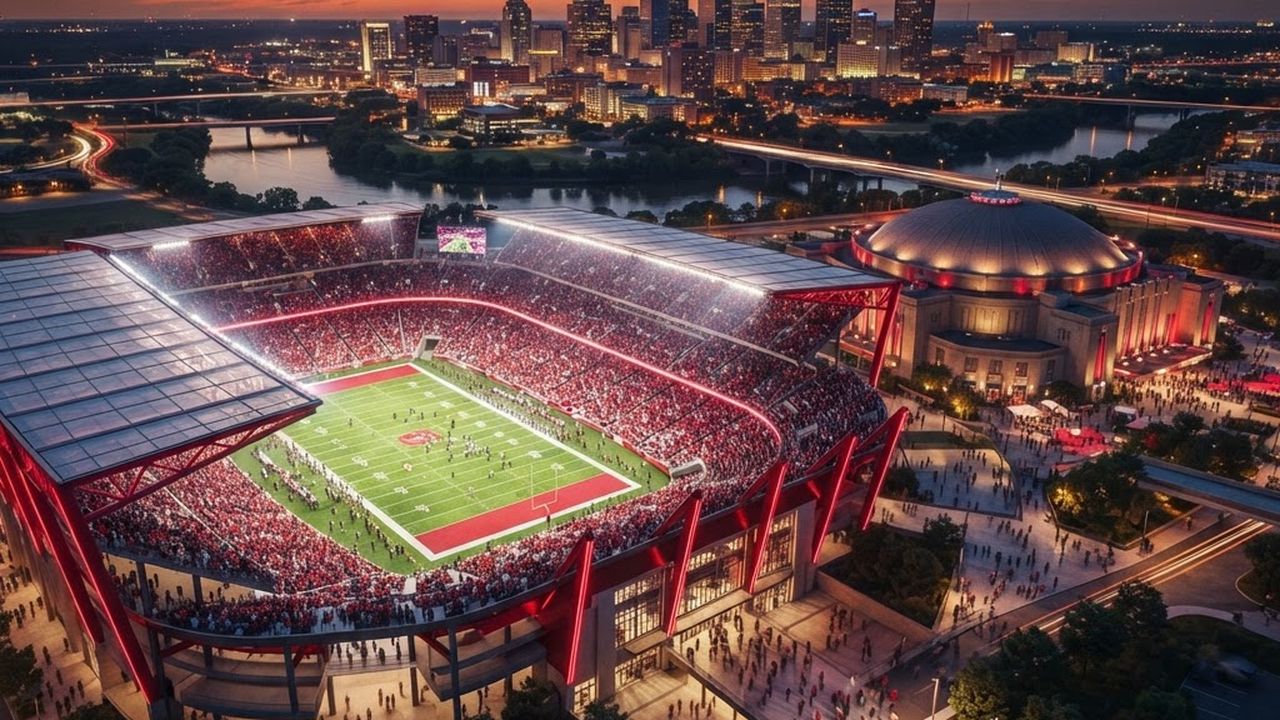
Fort Worth’s Sports Venue Landscape
Fort Worth’s sports culture stretches from college football and professional rodeo to motor racing, baseball, basketball, and community athletics. Some venues sit within city limits, while others are nearby regional destinations that regularly draw Fort Worth fans. The best experience depends on more than capacity: history, sightlines, atmosphere, access, surrounding districts, and event variety all matter. Schedules, policies, and names can change, so visitors should confirm current event information through official channels before traveling.
1. Amon G. Carter Stadium
Amon G. Carter Stadium is the home of TCU football and one of Fort Worth’s defining sports settings. The venue combines a long college-football tradition with extensive modernization, creating strong sightlines and a lively game-day environment. Its location on the TCU campus gives events a distinctly local identity. Purple-clad crowds, marching-band traditions, and close connection to the field make rivalry and conference games particularly energetic.
2. Dickies Arena
Dickies Arena is a modern multipurpose venue beside the Will Rogers Memorial Center. It hosts basketball, rodeo events, concerts, family entertainment, and major competitions. The building is admired for combining contemporary event technology with architectural details that complement Fort Worth’s cultural district. Comfortable circulation and premium amenities make it versatile, while its surroundings allow visitors to connect an event with museums, restaurants, and other city attractions.
3. Cowtown Coliseum
Cowtown Coliseum in the Fort Worth Stockyards is one of the city’s most historically resonant venues. Closely associated with rodeo and western performance, it offers an intimate atmosphere that differs sharply from a modern mega-arena. Visitors experience sport within the broader Stockyards environment, where brick streets, cattle heritage, dining, and entertainment reinforce Fort Worth’s western identity. It is a compelling choice for travelers seeking a venue experience unique to the city.
4. Will Rogers Coliseum
Will Rogers Coliseum has long played a central role in equestrian events, livestock shows, and western competition. Its Art Deco character and place within the Will Rogers Memorial Center connect present-day events to generations of Fort Worth history. The venue is less about modern spectacle and more about authentic show culture. Attendees should explore the full event campus, since major programs may use multiple barns, arenas, and exhibition spaces.
5. Lupton Stadium
Lupton Stadium hosts TCU baseball and provides a focused college-baseball environment with the skyline and campus nearby. Its manageable scale lets fans follow the details of the game while remaining close to the action. Spring weather can be ideal, though North Texas sun and sudden storms make preparation important. For families and baseball enthusiasts, the venue offers a relaxed alternative to larger professional parks.
6. Farrington Field
Farrington Field is a historic Fort Worth stadium serving school athletics and community events. Its enduring civic role makes it meaningful beyond any single team. The classic structure recalls an earlier era of stadium design and has hosted generations of local athletes, students, and families. Visitors interested in Fort Worth architecture and community sports may appreciate its character as much as the event itself.
7. Clark Stadium
Clark Stadium supports Fort Worth school football, soccer, track, and other events. Community stadiums are essential parts of the city’s sports ecosystem, providing the setting where student athletes compete and neighborhood traditions grow. The atmosphere can be especially spirited during rivalry games and postseason events. Amenities are generally practical rather than luxurious, so guests should plan around weather and event-specific entry rules.
8. Texas Motor Speedway
Located north of Fort Worth, Texas Motor Speedway is a major regional motorsports destination. Its enormous scale, high-speed oval, and event-day energy create an experience unlike a field or arena. Racing weekends require more logistics than a typical game, including early arrival, parking strategy, hearing protection, hydration, and sun protection. The venue’s campgrounds and fan activities can turn a race into a multi-day event.
9. AT&T Stadium
AT&T Stadium in nearby Arlington is a global-scale venue regularly used by Fort Worth residents for professional football, college games, concerts, and major international events. Its retractable roof, vast interior, large video presentation, art, and event flexibility make it an architectural attraction in its own right. Because of its size, visitors should identify their parking area and entry gate in advance and allow substantial time for security and walking.
10. Globe Life Field
Globe Life Field, also in Arlington, is the region’s premier professional baseball venue and hosts additional sports and entertainment. Its retractable roof is a major advantage during North Texas summer heat and unpredictable weather. The surrounding entertainment district supports dining and pre-event activity. Baseball fans should compare seating angles, shade or climate expectations, and proximity to concessions when selecting tickets for a long game.
Planning a Better Event Day
Review bag, camera, reentry, cashless payment, accessibility, and prohibited-item policies before departure. Mobile-ticket readiness and a charged phone prevent common entry delays. Public transportation options vary significantly by venue, so plan parking and designated-driver arrangements early. For outdoor events, Fort Worth conditions may shift from strong sun to thunderstorms; use permitted sun protection, hydrate, and monitor forecasts. Guests needing accessible seating or assistance should coordinate with the venue before the event when possible.
Why These Venues Stand Out
Together, these stadiums and arenas show the range of Fort Worth sports culture. Amon G. Carter Stadium represents elite college tradition, Dickies Arena provides modern versatility, and Cowtown Coliseum and Will Rogers preserve western heritage. Community fields sustain local athletics, while nearby professional and racing venues expand the region’s major-event reach. The best venue depends on the desired experience: intimate history, school spirit, high-speed spectacle, climate-controlled comfort, or a night on the biggest stage.
