
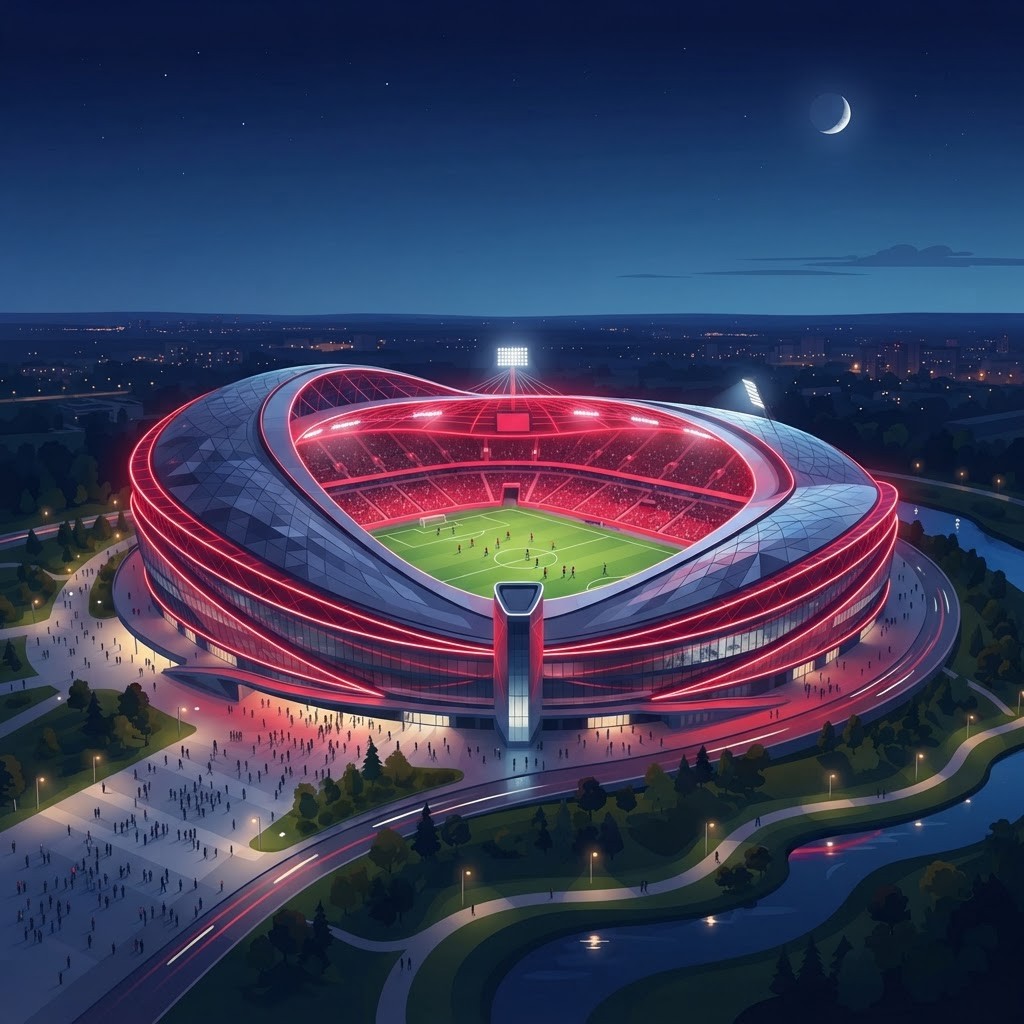
Belarus and Its Sporting Heritage
Belarus has a proud sporting tradition, with football, ice hockey, and athletics enjoying widespread popularity. Stadiums across the country serve as more than venues for competition; they are cultural landmarks that host national celebrations, international fixtures, and community events. From the capital of Minsk to regional centers, these arenas reflect the nation's investment in sport and public life.
Modern renovations and new construction have transformed many Belarusian stadiums into world-class facilities capable of hosting European competitions, concerts, and large-scale gatherings. Their design balances functionality with national pride, making them central to the country's identity.
What Makes a Great Stadium
A great stadium combines capacity, comfort, accessibility, and atmosphere. Spectator sightlines, quality playing surfaces, modern amenities, and safety infrastructure all contribute to the experience. Increasingly, stadiums are designed as multi-purpose venues, allowing them to host football matches, athletics meets, and cultural events with equal ease.
The best venues also foster a sense of community, drawing fans together and creating memorable moments that define local and national sporting history.
Top 10 Stadiums in Belarus
1. Dinamo Stadium (Minsk) is the national stadium and the crown jewel of Belarusian sport. Extensively modernized, it hosts football internationals, athletics, and major ceremonies with a capacity that makes it the country's premier venue.
2. Borisov Arena (Barysaw) is a striking modern football stadium and the home of BATE Borisov. Its distinctive spherical design and excellent facilities have made it a favorite for European club fixtures.
3. Traktor Stadium (Minsk) is a historic venue known for its lively atmosphere and long association with domestic football.
4. Central Stadium (Gomel) serves as a key regional venue, hosting football and athletics events for one of Belarus's largest cities.
5. Neman Stadium (Grodno) combines tradition and community spirit, anchoring the sporting life of the Grodno region.
6. Brestsky Stadium (Brest) is home to Dynamo Brest and a hub for passionate football supporters in the country's southwest.
7. Torpedo Stadium (Zhodino) provides a compact but energetic setting for domestic league matches.
8. Yubileyny Stadium (Vitebsk) supports the sporting ambitions of the Vitebsk region with reliable facilities and a loyal fan base.
9. Stroitel Stadium (Soligorsk) is closely tied to the local club Shakhtyor and reflects the industrial heartland's dedication to football.
10. Spartak Stadium (Mogilev) completes the list as a dependable venue serving eastern Belarus with a strong community following.
Architecture and Modernization
Belarusian stadiums showcase a range of architectural styles, from classic Soviet-era structures to contemporary designs. Borisov Arena stands out internationally for its bold, futuristic form, while the modernized Dinamo Stadium demonstrates how heritage venues can be reborn with new seating, lighting, and infrastructure.
Recent upgrades have focused on improving spectator comfort, enhancing safety, and meeting the standards required for international competition. These investments ensure that Belarus remains an attractive host for regional tournaments and friendly matches.
The Role of Stadiums in Community Life
Beyond sport, stadiums play an important social role in Belarus. They host national holidays, cultural festivals, and youth development programs. Local clubs use these venues to nurture talent, giving young athletes the chance to compete on quality surfaces and dream of professional careers.
The passionate fan cultures surrounding clubs like BATE Borisov and Dynamo Brest demonstrate how stadiums unite communities and create shared identity. Match days bring color, energy, and pride to cities across the country.
Hosting International and Multi-Sport Events
Belarusian stadiums have increasingly served as venues for international competition, welcoming visiting clubs and national teams from across Europe. Meeting the standards required for these fixtures has driven investment in pitch quality, floodlighting, media facilities, and spectator safety. As a result, the country's leading arenas are equipped to deliver a professional experience for players, officials, and fans alike.
Many venues are also designed for versatility, accommodating athletics, concerts, and large public gatherings in addition to football. This multi-purpose capability maximizes their value to local communities and ensures they remain active throughout the year. The ability to host diverse events strengthens the cultural and economic role these stadiums play in their regions.
Looking Ahead
As Belarus continues to develop its sporting infrastructure, its stadiums are likely to see further modernization and expanded use. Multi-purpose functionality, sustainability, and fan experience will guide future projects, ensuring these venues remain vibrant centers of national life.
Whether hosting a decisive league match, an international fixture, or a community celebration, the stadiums of Belarus embody the country's enduring love of sport and its commitment to bringing people together.
For visitors and residents alike, attending a match at one of these venues offers a genuine glimpse into Belarusian culture. The chants, the traditions, and the shared anticipation create an atmosphere that transcends the game itself. As investment continues and standards rise, these stadiums will remain proud symbols of national identity and enduring gathering places where generations of fans come together to celebrate their teams and their country.
