
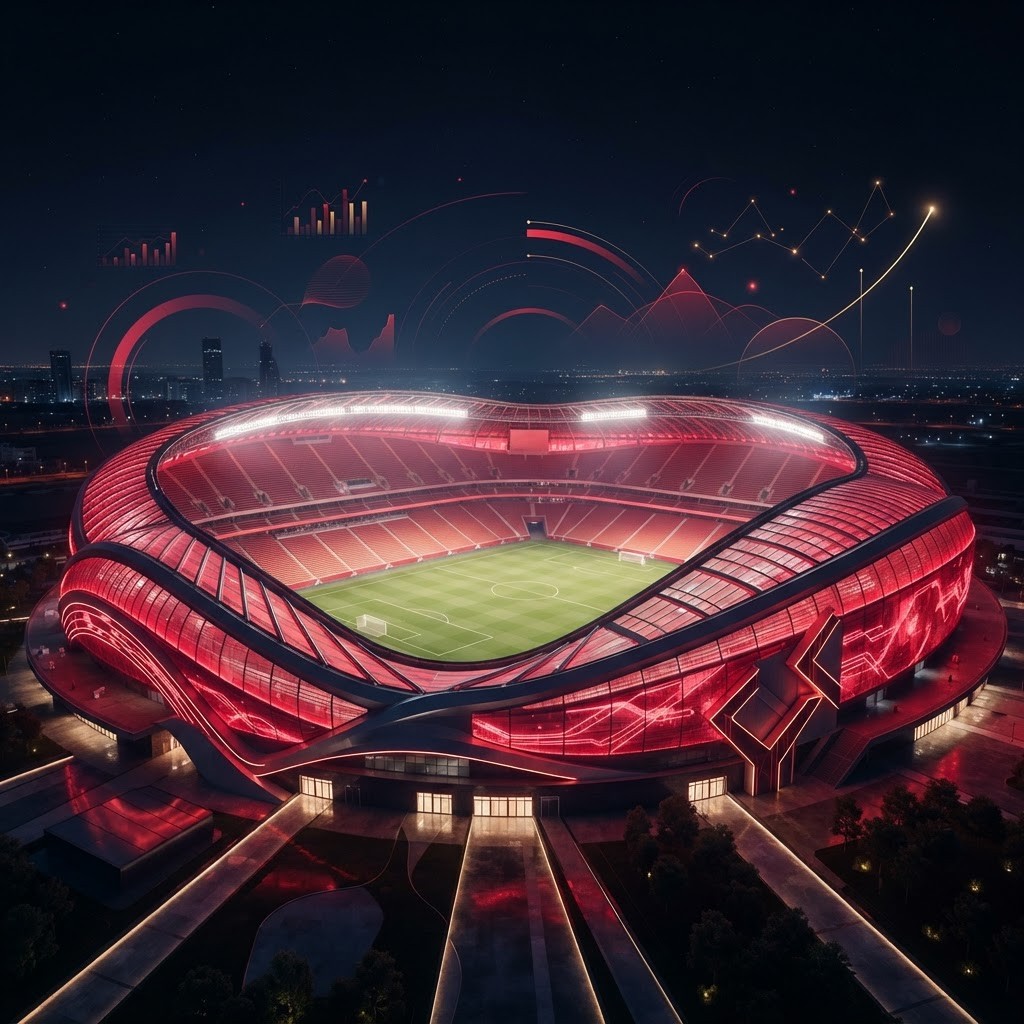
Azerbaijan's Rise as a Sporting Nation
Over the past two decades, Azerbaijan has invested heavily in world-class sports infrastructure, transforming itself into a notable host of international events. From football matches and athletics championships to the Formula 1 Grand Prix through the streets of Baku, the country has demonstrated a clear ambition to be a regional hub for sport. At the heart of this transformation are its stadiums, modern venues that combine impressive architecture with the capacity to host major national and international competitions.
These stadiums are more than sporting arenas; they are symbols of national pride and community gathering places. They host football league matches, concerts, cultural events, and international tournaments, contributing significantly to tourism and local economies. Below is an overview of the finest stadiums that define Azerbaijan's sporting landscape.
The Crown Jewel: Baku Olympic Stadium
The Baku Olympic Stadium stands as the largest and most prestigious venue in the country. With a capacity of around 68,000 spectators, it has hosted high-profile events including UEFA European Championship matches, the UEFA Europa League final, and major athletics competitions. Its sweeping modern design, advanced facilities, and central role in national football make it the undisputed flagship of Azerbaijani sport.
Beyond football, the stadium regularly welcomes large-scale ceremonies and concerts, underscoring its versatility. Its construction marked a turning point in the country's ability to host global events and set a new benchmark for stadium quality in the region.
Historic and Beloved Venues in Baku
The Tofiq Bahramov Republican Stadium holds a special place in Azerbaijani football history. Named after the famous football official, it has long served as a home for national team matches and remains a cherished venue with a rich legacy. Its atmosphere during important games reflects the deep passion Azerbaijanis have for football.
The Dalga Arena, located near the Caspian coast, is a modern, mid-sized stadium known for its clean design and quality pitch. It frequently hosts domestic league matches and youth competitions, contributing to the development of the sport at multiple levels.
Regional Stadiums Strengthening the Game
Beyond the capital, several regional stadiums play a vital role in expanding football and athletics across the country. The Ganja City Stadium serves the nation's second-largest city, providing a strong home base for local clubs and community events. Its role in nurturing regional talent is significant, helping to spread the sport beyond Baku.
The Bank Respublika Arena and the ASCO Arena are further examples of well-maintained venues that support domestic competitions. These stadiums offer solid facilities for players and fans alike, reinforcing the infrastructure needed for a healthy national league.
In the Nakhchivan region, dedicated stadiums support local football and give residents access to quality sporting venues, ensuring that enthusiasm for the game reaches every corner of the country.
Architecture and Modern Facilities
Azerbaijan's newer stadiums are notable for their contemporary architecture and attention to spectator experience. Modern seating, improved sightlines, quality pitches, and enhanced safety features are common across the country's leading venues. Many incorporate energy-efficient lighting and advanced drainage systems that keep playing surfaces in excellent condition throughout the season.
The design of these stadiums often reflects a balance between functionality and visual impact, with striking facades and thoughtful integration into their surroundings. This focus on quality has helped Azerbaijan attract international events and elevate the matchday experience for fans.
Stadiums as Centers of Community and Culture
Beyond hosting matches, Azerbaijan's stadiums serve as important community and cultural centers. They bring people together for shared experiences, from thrilling football derbies to large concerts and national celebrations. This dual role enhances their value, making them integral parts of city life and regional identity.
The economic impact is also considerable. Major events draw visitors, support local businesses, and generate tourism revenue. As a result, stadiums are increasingly viewed as strategic assets that contribute to broader development goals.
Hosting International Events
Azerbaijan's stadiums have played a central role in the country's emergence as an international sporting host. The Baku Olympic Stadium in particular has welcomed matches during major continental football tournaments, drawing fans and media attention from around the world. Hosting such events requires venues that meet stringent standards for safety, capacity, media facilities, and spectator comfort, and Azerbaijan's leading stadiums have consistently risen to the challenge.
These occasions bring lasting benefits beyond the matches themselves. They showcase the country to a global audience, stimulate investment in hospitality and transport, and inspire local participation in sport. The experience gained from organizing major competitions also strengthens the capabilities of venue operators, positioning Azerbaijan to attract even more prestigious events in the future.
The Future of Sporting Venues in Azerbaijan
With continued investment in sport and infrastructure, Azerbaijan's stadiums are likely to play an even greater role in the years ahead. Ongoing upgrades, new regional facilities, and the country's ambition to host prestigious international competitions all point to a bright future. The venues highlighted here represent the strength, ambition, and passion that define Azerbaijani sport, standing as landmarks of both athletic excellence and national pride.
