
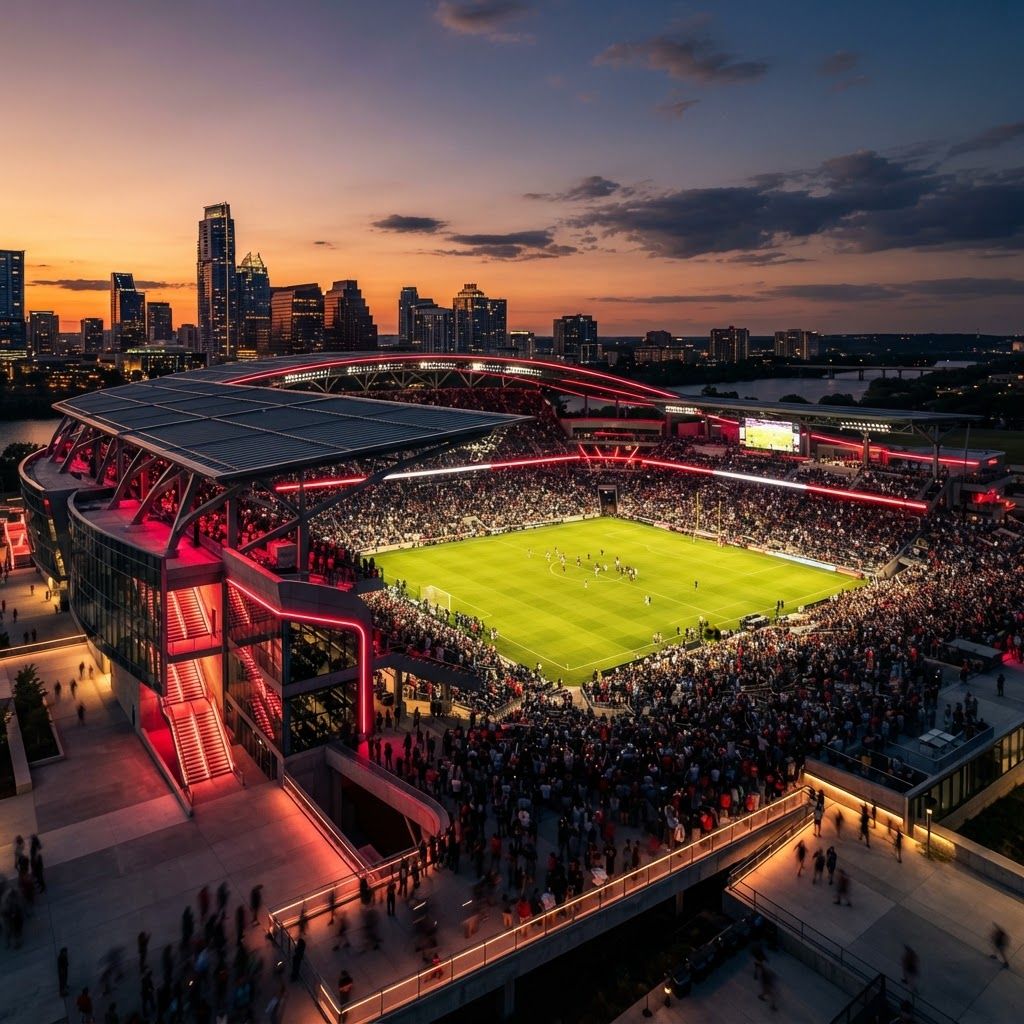
Austin's Vibrant Stadium Culture
Sports are woven into the fabric of Austin, and the city's stadiums serve as gathering places where community, competition, and celebration come together. From historic collegiate arenas to state-of-the-art professional venues, these facilities host unforgettable moments that draw fans from across Central Texas. The energy of a packed stadium on game day is a defining part of the Austin experience.
Modern stadiums are more than places to watch a game; they are entertainment destinations offering premium hospitality, diverse dining, and immersive fan experiences. Austin's venues reflect this evolution, blending tradition with innovation to serve growing audiences.
Iconic Venues Across the City
At the center of Austin's sports scene is Darrell K Royal-Texas Memorial Stadium, home to University of Texas football and one of the largest stadiums in the country. Its electric atmosphere and storied history make it a landmark for college sports fans. Nearby, the Moody Center has quickly become a premier venue for basketball and major events, elevating the city's hosting capabilities.
Q2 Stadium, home to Austin FC, has transformed the local soccer landscape since its debut, offering a modern, fan-focused environment that has energized the community. Other notable venues include UFCU Disch-Falk Field for baseball, the Frank Erwin Center's legacy in Austin sports history, and Mike A. Myers Stadium, which hosts track and field along with soccer events.
The Game-Day Experience
What sets Austin's top stadiums apart is the quality of the overall experience. Fans enjoy well-designed seating, excellent sightlines, and a wide array of concessions that often highlight local flavors and Texas cuisine. Premium clubs, suites, and hospitality areas cater to those seeking an elevated outing, while family-friendly zones ensure accessibility for all ages.
Technology plays an increasing role in the modern stadium experience. High-speed connectivity, mobile ticketing, and large video displays keep fans engaged and connected. Thoughtful design also emphasizes safety, comfort, and ease of movement, making each visit smooth and enjoyable.
Community and Economic Impact
Beyond the excitement of the games, Austin's stadiums play a meaningful role in the local economy and community identity. They generate tourism, support local businesses, and create jobs while hosting concerts, festivals, and civic events that extend their value far beyond athletics. Q2 Stadium, for example, has become a cultural hub that reflects Austin's dynamic and inclusive spirit.
These venues also foster a sense of belonging, uniting diverse groups of people in shared enthusiasm. The traditions built within these walls become part of the city's collective memory, passed down across generations of fans.
Looking Ahead
As Austin continues to grow, its stadiums are poised to play an even larger role in the region's sports and entertainment future. Ongoing investment in facilities, technology, and fan amenities ensures these venues will remain vibrant destinations for years to come. Whether cheering on a beloved team or attending a headline event, Austin's top stadiums deliver the kind of memorable experiences that keep fans coming back.
How to Use This Guide
A top-ten list is most useful as a starting point rather than a substitute for individual research. Needs, budgets, availability, and service areas vary, even among highly regarded Austin organizations. Readers should identify the qualities that matter most to them, compare several candidates, and ask direct questions about experience, policies, pricing, and expected outcomes. Recent customer feedback can reveal how consistently an organization communicates, handles complications, and follows through after the initial engagement.
Local context also deserves careful attention. Austin's rapid growth, distinctive neighborhoods, busy event calendar, warm climate, and evolving infrastructure can influence availability and customer experience. A provider or venue that excels in one part of the metro may not be the most convenient choice elsewhere. Considering travel time, seasonal demand, advance booking requirements, and accessibility can prevent frustration and make the final decision more practical.
Balancing Price, Quality, and Long-Term Value
The lowest advertised price is not always the strongest value. Quality materials, qualified staff, reliable support, and a transparent process may justify a higher initial cost by reducing future problems and delivering a better overall experience. Before deciding, readers should request clear details about what is included, which costs may be additional, and what remedies are available if expectations are not met.
It is also wise to look for evidence rather than relying entirely on marketing claims. Relevant credentials, a consistent body of independent reviews, clear policies, and a demonstrated history in Central Texas offer more meaningful reassurance. Established names can be excellent choices, but newer Austin businesses may also provide innovation, attentive service, and specialized expertise. A fair comparison considers both reputation and current performance.
Making a Confident Austin Choice
Austin offers an unusually broad mix of national operators, regional leaders, and locally owned specialists. That competition benefits consumers by encouraging better service, wider selection, and fresh ideas. The best choice ultimately depends on personal priorities, so readers should create a short list, verify current details directly, and allow enough time to compare options thoughtfully.
By focusing on fit, credibility, transparency, and long-term value, readers can use this guide to make a more informed decision. The strongest Austin organizations do more than deliver a product, service, or destination; they create confidence through expertise, consistency, and a clear understanding of the community they serve.
