
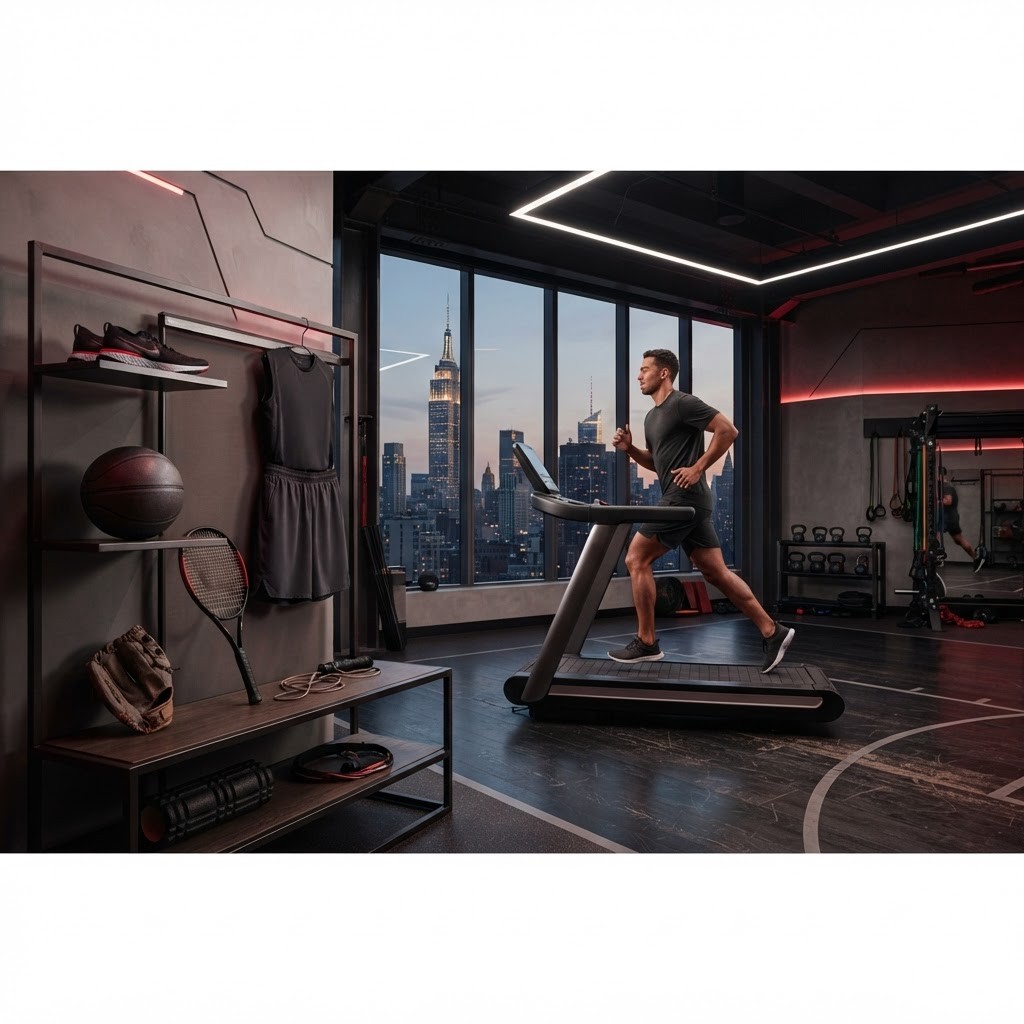
Finding the Best Options in New York
New York supports nearly every kind of athlete, from runners circling Central Park and cyclists crossing the boroughs to basketball players, gym regulars, tennis enthusiasts, and weekend hikers. The right equipment improves comfort and confidence, but it should match the activity rather than simply follow a logo or trend.
Sports gear is becoming lighter, more specialized, more inclusive in fit, and increasingly designed with recycled or lower-impact materials. At the same time, crossover apparel must perform during exercise while remaining practical for subway travel and everyday errands.
What Makes a Brand or Store Stand Out
Quality is only one part of a useful recommendation. Selection, consistency, service, value, product knowledge, and relevance to New York life all matter. A premium name may justify its price through materials and aftercare, while an accessible brand may stand out by making good design available to more people. The following list is not a rigid ranking; it is a practical guide to ten established choices with different strengths.
1. Nike
Nike covers running, basketball, training, soccer, and lifestyle categories with extensive footwear and apparel. Its strength lies in technical innovation, athlete-informed design, and options for many performance levels.
2. Adidas
Adidas combines strong running, soccer, tennis, training, and casual collections. Technical fabrics and recognizable silhouettes make its products easy to integrate into both workout and daily wardrobes.
3. Under Armour
Under Armour is known for performance base layers, training apparel, footwear, and team-sport equipment. Moisture management and practical construction are central to the brand’s appeal.
4. New Balance
New Balance excels in running and walking footwear, with multiple widths and varied support profiles. Its apparel and shoes serve athletes who prioritize fit, cushioning, and understated design.
5. Lululemon
Lululemon offers yoga, running, training, and commuting apparel with refined fabrics and thoughtful storage. The brand is especially relevant to New Yorkers who want one outfit to move through several parts of the day.
6. The North Face
The North Face provides outerwear, packs, trail footwear, and layers suitable for regional hikes as well as severe city weather. Durable materials and protective construction are key differentiators.
7. Patagonia
Patagonia is respected for outdoor apparel, packs, repair initiatives, and environmental commitments. Its layered systems work well for hiking, climbing, travel, and winter commuting.
8. Wilson
Wilson is a major name in tennis, basketball, baseball, and other equipment categories. Rackets, balls, gloves, and accessories benefit from deep sport-specific expertise.
9. Spalding
Spalding has a historic connection to basketball and provides balls and related equipment for recreational and competitive play. Selecting the proper indoor or outdoor construction is important for New York courts.
10. Brooks
Brooks focuses closely on running, offering shoes for different gait patterns, cushioning preferences, surfaces, and training goals. That specialization helps runners find a model suited to their stride rather than choosing by appearance alone.
How to Choose the Right Option
Start with fit and intended use. Running shoes should be evaluated for stride, width, and training volume; court shoes need lateral stability; outdoor layers should work as a system. Replace safety-critical equipment when worn and inspect soles, seams, grips, and protective padding regularly. Expert fitting can be worthwhile, especially for repetitive activities where a small mismatch becomes uncomfortable over hundreds of miles.
Shopping Smarter in New York
Inventory and service can differ by location, so it is worth confirming that a shop carries the category, size, model, or service needed before making a special trip. Compare total value rather than price alone, including durability, maintenance, warranty support, alterations, delivery, or returns where relevant. New York offers exceptional choice, but a focused list and a clear budget make that choice easier to navigate.
Seasonality also matters. New collections and limited releases can create excitement, while end-of-season periods may offer better value. Whenever possible, inspect materials and construction in person, ask specific questions, and avoid feeling pressured by scarcity. The best purchase is one that remains useful after the novelty of the shopping experience fades.
Understanding Value Beyond the Price Tag
New York shoppers encounter everything from entry-level essentials to rare luxury products, and a higher price does not automatically guarantee a better personal fit. Value comes from the relationship between cost, frequency of use, construction, comfort, and support after purchase. A product used weekly for years may be more economical than an inexpensive alternative replaced several times. Conversely, occasional users may reasonably prefer a simpler option that performs the core task well.
Look closely at the details that reveal care: secure seams and fastenings, consistent finishing, sensible materials, clear instructions, and staff who can explain differences without relying on vague claims. Ask what maintenance is required and whether replacement parts, repairs, refills, or specialist services are available. These questions are especially important in New York, where storage is limited and disposing of a disappointing purchase can be inconvenient. Thoughtful comparison also reduces impulse buying. Take notes or photographs where permitted, step away when uncertain, and evaluate the choice against what is already owned. A strong brand earns trust through consistent experience rather than a single impressive display.
Why Local Context Matters
New York’s density creates unusually demanding conditions and unusually broad choice. Weather, walking, apartment dimensions, neighborhood access, and crowded public transportation can all influence whether a purchase succeeds in daily life. Recommendations should therefore be treated as a starting point. The most satisfying option will combine the reputation of the business with the buyer’s own priorities, routines, and practical constraints.
