
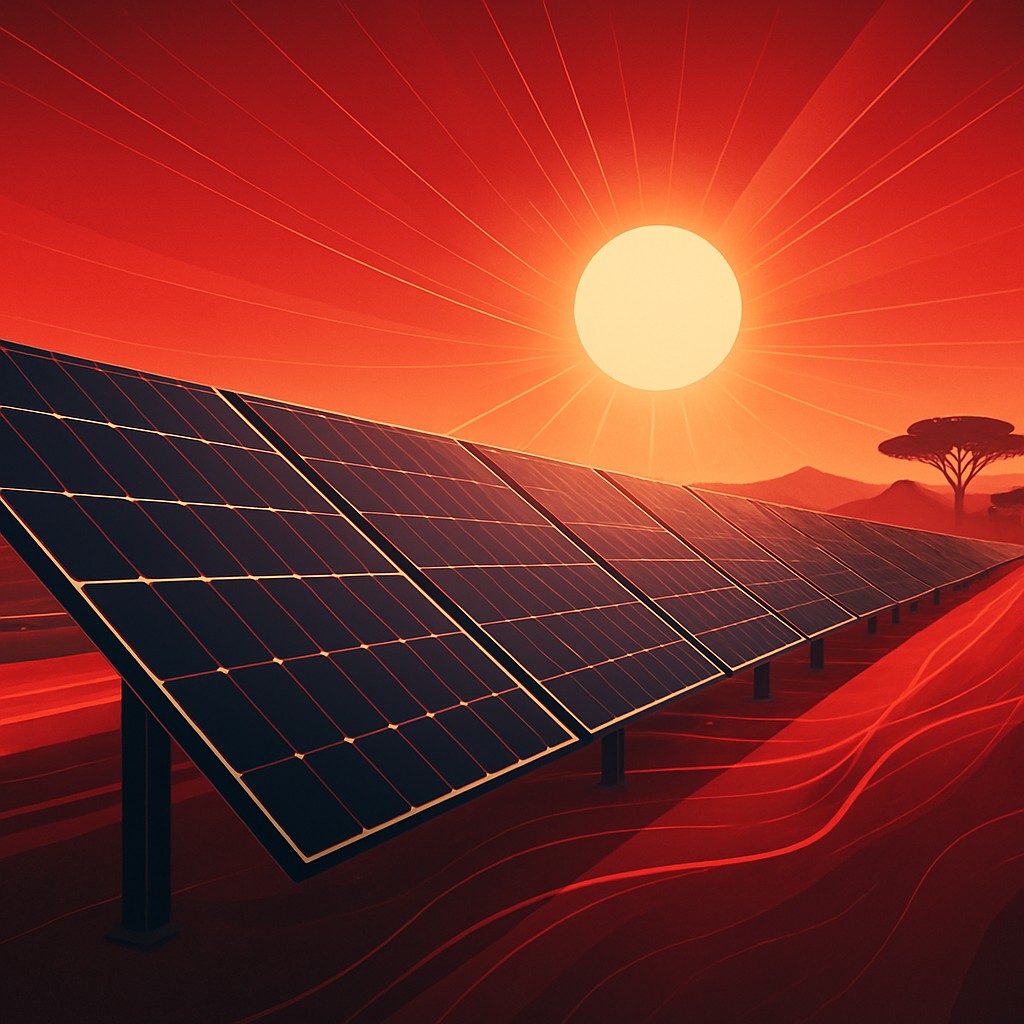
Mali's Solar Advantage
Few countries are as naturally suited to solar power as Mali. Located in the heart of the Sahel, the nation enjoys abundant sunshine throughout the year, with solar irradiation levels that rank among the highest on Earth. This natural endowment has positioned solar energy as the cornerstone of Mali's clean energy transition, attracting a wave of companies dedicated to converting sunlight into reliable, affordable electricity.
Solar power addresses many of the energy challenges that have long held back development in Mali. It is modular, meaning systems can be sized to fit anything from a single household to an entire town. It requires no fuel, eliminating the recurring cost and supply uncertainty associated with diesel generators. And it can be deployed quickly, bringing light and power to communities that would otherwise wait years for grid extension.
The Growing Importance of Solar Power
Across Mali, solar energy is changing daily life. In rural villages, solar home systems replace smoky kerosene lamps with clean lighting and enable mobile phone charging, radio access, and small appliance use. In towns and cities, rooftop installations help businesses cut electricity costs and protect against grid outages. At the utility scale, large solar farms feed clean power into the national grid, strengthening energy security and reducing reliance on imported fuel.
The economic ripple effects are significant. Reliable solar power allows farmers to run irrigation pumps, helps small enterprises extend their working hours, powers cold storage for perishable goods, and supports essential services in schools and health clinics. As a result, solar is widely recognized as a catalyst for broader social and economic progress.
Leading Solar Energy Companies in Mali
Akuo Energy stands out for its large-scale solar developments, combining technical excellence with a strong commitment to community benefit. Its hybrid solar projects integrate storage to deliver power around the clock.
Scatec is renowned for delivering high-performance utility-scale solar plants. The company's disciplined approach to engineering and operations ensures that its installations produce consistent, reliable output.
Sun King (Greenlight Planet) has become a household name in off-grid solar, distributing affordable solar home systems that bring lighting and charging capability to families across rural Mali.
Qotto specializes in pay-as-you-go solar kits designed for off-grid African households, allowing customers to pay in small increments and gradually own their systems.
Sunda International offers a wide range of solar products, from panels and batteries to complete lighting kits, making clean energy accessible to households and small businesses alike.
Africa GreenTec has earned recognition for its container-based solar solutions that bring power and connectivity to remote villages, often combining electricity generation with water purification and internet access.
Engie contributes its global solar expertise and decentralized energy models to expand access in underserved regions.
Schneider Electric supplies advanced solar inverters, energy management systems, and microgrid technologies that maximize the efficiency of solar installations.
PEG Africa and similar providers have introduced financing innovations that make quality solar systems affordable through flexible payment plans.
Solektra International focuses on solar electrification projects aimed at expanding energy access throughout West Africa, including significant activity in Mali.
How Solar Companies Are Innovating
The leading solar companies in Mali are distinguished not only by their products but by their business models. Pay-as-you-go financing has been transformative, allowing customers to acquire solar systems with little or no upfront cost and pay over time through mobile money. This approach has unlocked the market for millions of people who could never have afforded a lump-sum purchase.
Battery storage is another area of rapid innovation. By pairing panels with efficient batteries, companies enable households and communities to use solar power well into the night, dramatically improving the value and reliability of their systems. Smart monitoring technologies also allow providers to track performance remotely, diagnose issues quickly, and deliver responsive maintenance.
Choosing the Right Solar Provider
Selecting a solar company in Mali requires careful consideration. Customers should prioritize firms that offer high-quality, durable equipment backed by clear warranties. Reliable after-sales service is essential, since even the best systems require occasional maintenance. Transparent pricing and flexible financing options make ownership more accessible and reduce the risk of unexpected costs.
It is also worth choosing companies that invest in local capacity by training technicians and establishing service networks. This ensures that systems can be repaired promptly and that the benefits of the solar economy remain within the community.
The Future of Solar in Mali
The outlook for solar energy in Mali is exceptionally promising. Falling equipment costs, improving battery technology, and innovative financing are converging to make solar power more affordable and accessible than ever. The companies profiled here are at the forefront of this movement, each contributing in its own way to a future powered by the sun. Whether through massive solar farms, village mini-grids, or simple home systems, these organizations are illuminating Mali's path toward energy independence and sustainable growth.
