
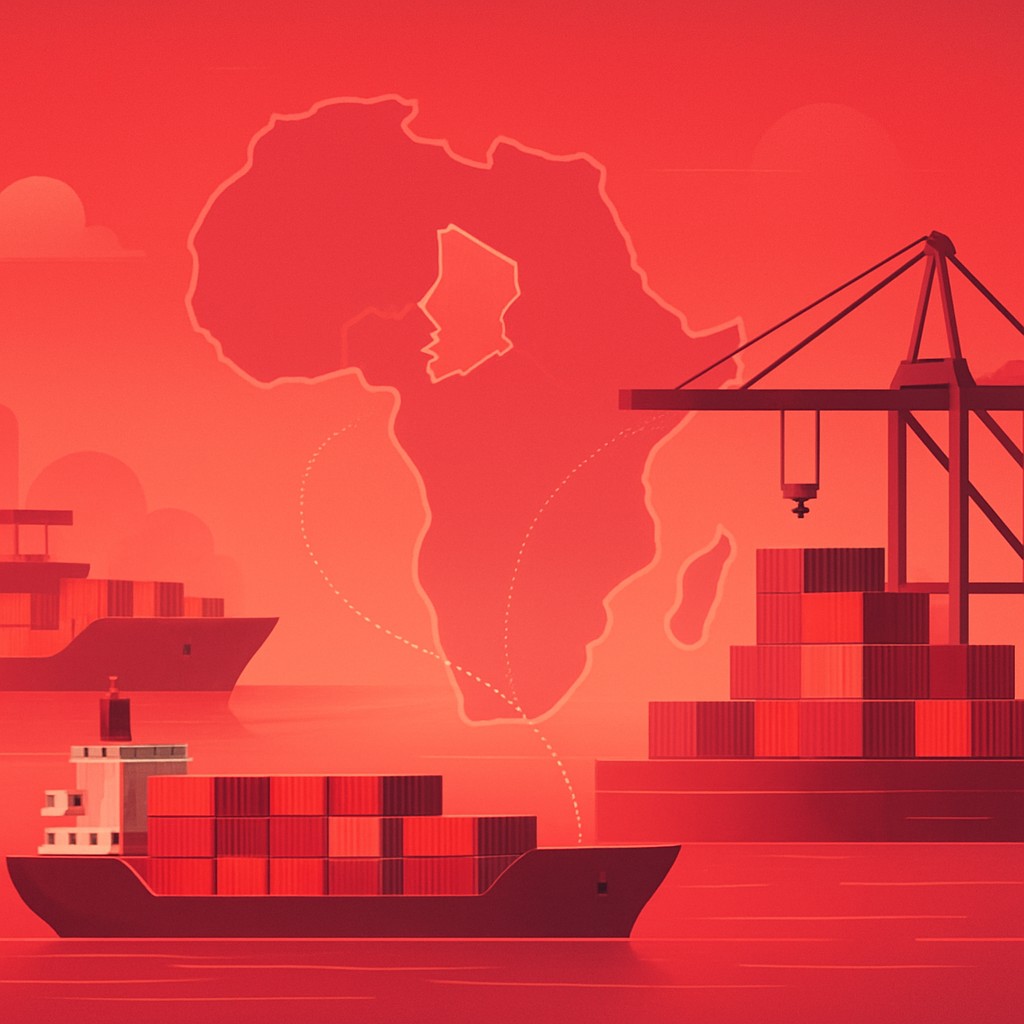
Shipping in a Landlocked Nation
For a landlocked country like Zimbabwe, shipping companies serve as essential gateways to global commerce. Although the nation has no direct access to the sea, its businesses depend on international trade for imports of machinery, consumer goods, and raw materials, as well as for exporting minerals, agricultural products, and manufactured goods. Shipping companies bridge this geographical challenge by coordinating the movement of cargo to and from regional seaports.
This role demands sophisticated logistics expertise, as goods must be transported overland to ports in neighbouring countries before being loaded onto ocean-going vessels. The shipping companies that excel in Zimbabwe are those that master this complex multi-modal coordination, ensuring cargo flows smoothly between inland origins and overseas destinations.
Connecting to Global Markets
The primary value of shipping companies lies in their ability to connect Zimbabwean businesses with markets around the world. By managing the journey of goods from Zimbabwe to international ports and onward to destinations across continents, these companies enable trade that would otherwise be impractical for individual businesses to arrange.
Access to global markets opens significant opportunities for Zimbabwean exporters, allowing them to reach customers far beyond the region. Equally, efficient shipping ensures that businesses and consumers can access imported goods reliably. This two-way flow of trade is fundamental to economic growth and the integration of Zimbabwe into the global economy.
Comprehensive Shipping Services
Leading shipping companies in Zimbabwe offer a broad array of services to meet diverse trade needs. These include sea freight forwarding, container shipping, cargo consolidation, and multi-modal transport that combines road, rail, and ocean freight. Such comprehensive offerings allow businesses to manage their international logistics through a single trusted partner.
Beyond transport, these companies provide essential support services such as customs clearance, documentation handling, cargo insurance, and warehousing. By managing the many administrative and logistical details of international shipping, they relieve businesses of complexity and reduce the risk of costly delays or errors at borders and ports.
Navigating Customs and Compliance
International shipping involves navigating a maze of customs regulations, documentation requirements, and compliance standards. Errors in this area can lead to delays, fines, or seized cargo, making expertise invaluable. The best shipping companies possess deep knowledge of customs procedures across the region and beyond, ensuring that shipments comply with all relevant requirements.
This expertise extends to understanding tariffs, trade agreements, and import-export regulations that affect the cost and feasibility of trade. By managing compliance effectively, shipping companies protect their clients from disruptions and help them trade with confidence across international borders.
Technology and Cargo Visibility
Modern shipping relies heavily on technology to provide visibility and control over cargo movements. Tracking systems allow businesses to monitor the status and location of their shipments throughout the journey, from inland departure to final delivery. This transparency is invaluable for planning and managing supply chains effectively.
Digital documentation and communication tools streamline the many transactions involved in international shipping, reducing paperwork and accelerating processes. By embracing technology, leading shipping companies enhance efficiency, improve reliability, and offer their clients a more responsive and informed service experience.
Choosing a Reliable Shipping Partner
Selecting a shipping company is a significant decision for any business engaged in international trade. Key considerations include the range of services, expertise in customs and compliance, regional port connections, technology capabilities, and a strong track record of reliability. Responsive customer service and the ability to handle specific cargo types also matter greatly.
Because international shipping involves valuable cargo and complex logistics, businesses are best served by partnering with experienced, reputable providers. A shipping company that combines comprehensive services with deep expertise becomes a strategic enabler of trade and growth.
Conclusion
Shipping companies are indispensable to Zimbabwe's participation in global trade, overcoming the challenges of a landlocked geography to connect businesses with markets worldwide. Through comprehensive services, customs expertise, and modern technology, the country's leading shipping providers enable the efficient flow of goods across borders and oceans. For businesses engaged in import and export, these companies are essential partners in reaching the global marketplace.
