
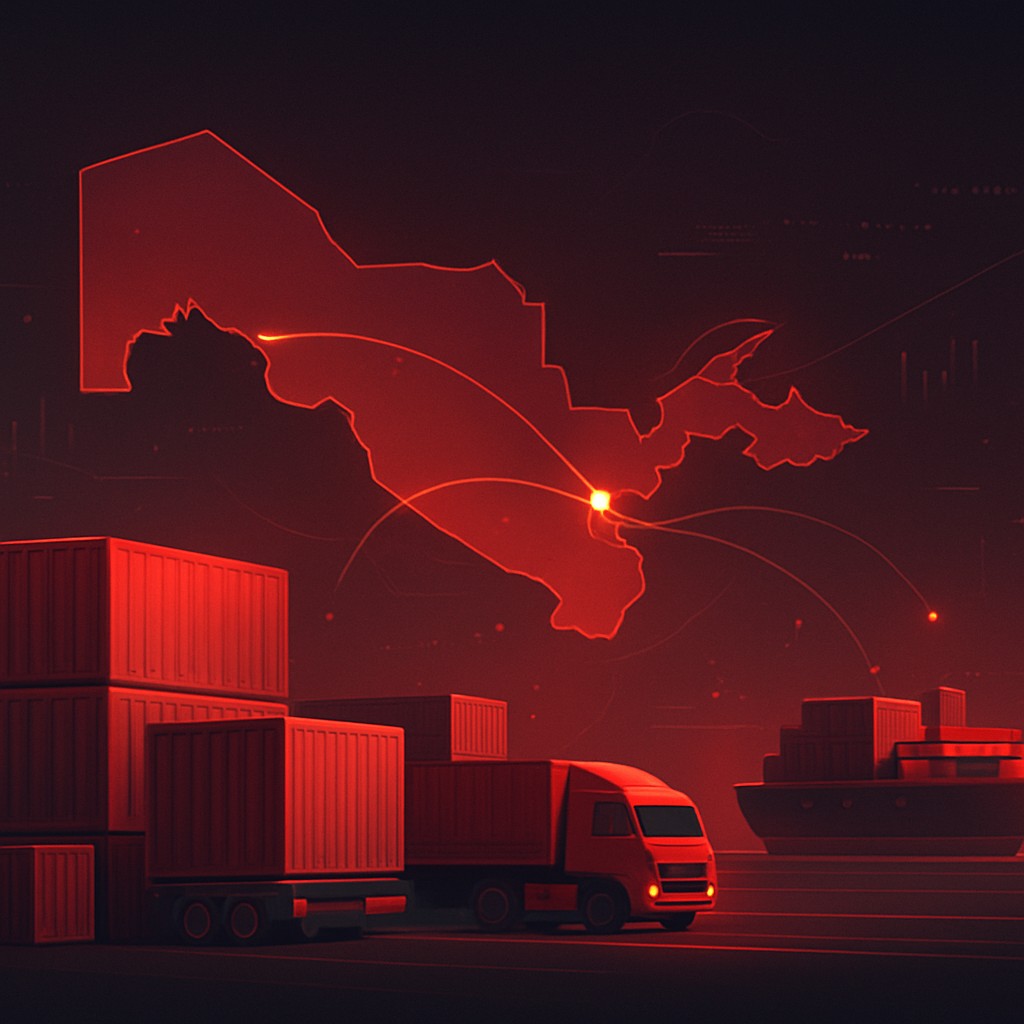
Shipping in a Landlocked Nation
Uzbekistan's geography presents a unique challenge: as one of only two doubly landlocked countries in the world, it has no direct access to the sea. Yet shipping remains a vital component of its trade economy. Uzbek shipping companies have developed sophisticated multimodal solutions, combining rail, road, and sea connections through neighboring countries to move cargo to and from global ports. This ingenuity has allowed the nation to participate actively in international trade despite its geographic constraints.
Shipping companies in Uzbekistan specialize in bridging the gap between domestic producers and distant maritime gateways, managing the complex coordination required to keep goods flowing.
How Uzbek Shipping Works
Because direct ocean access is unavailable, Uzbek shipping firms rely on intermodal transport. Containers are typically moved by rail or road to seaports in countries such as Iran, Russia, China, or those along the Black Sea, where they are loaded onto ocean vessels. This requires careful coordination, expert customs handling, and strong relationships with foreign carriers and port operators. The most capable shipping companies excel at orchestrating these complex journeys seamlessly.
Dry ports and inland container depots within Uzbekistan play a crucial role, serving as hubs where cargo is consolidated, cleared, and prepared for onward transit. These facilities have become increasingly important as trade volumes grow.
Leading Shipping and Forwarding Companies
Uzbekistan's shipping sector includes specialized freight forwarders and logistics firms that manage international container shipments. The national railway, Uzbekistan Temir Yullari, is integral to this process, providing the long-haul rail capacity needed to connect inland Uzbekistan to seaports. International freight forwarders with global networks also operate in the country, offering door-to-port and port-to-door services that simplify exporting and importing for local businesses.
These companies handle a wide range of cargo, from textiles and agricultural products destined for export to machinery and consumer goods arriving from abroad. Their expertise in documentation, customs clearance, and route optimization is essential for navigating the complexities of landlocked shipping.
Trends Shaping the Shipping Industry
Several developments are enhancing Uzbekistan's shipping capabilities. Investment in dry ports and logistics infrastructure has improved container handling and reduced transit delays. Regional trade agreements and improved cross-border procedures have made multimodal shipping more efficient. Digital documentation and tracking systems are giving shippers greater visibility and control over their international shipments.
The development of new trade corridors, including routes linking Central Asia to China and to ports via the Caspian region, is expanding the options available to Uzbek shippers. These corridors promise faster, more diversified access to global markets.
Benefits of Working with Experienced Shipping Companies
For businesses engaged in international trade, partnering with experienced shipping companies offers significant advantages. These firms manage the intricate logistics of multimodal transport, handle customs and regulatory requirements, and provide reliable transit times. Their global networks and local expertise reduce risk and help businesses reach international customers efficiently, even from a landlocked location.
Choosing the Right Shipping Partner
When selecting a shipping company in Uzbekistan, businesses should consider the firm's multimodal capabilities, network of port connections, customs expertise, and track record for reliability. The ability to handle specific cargo types and provide transparent tracking is also important. A knowledgeable partner can make the difference between smooth international trade and costly delays.
As Uzbekistan strengthens its trade infrastructure and connectivity, its shipping companies continue to overcome geographic challenges with creativity and expertise. For exporters and importers alike, the country's shipping sector offers capable partners well versed in connecting Central Asia to the wider world.
