
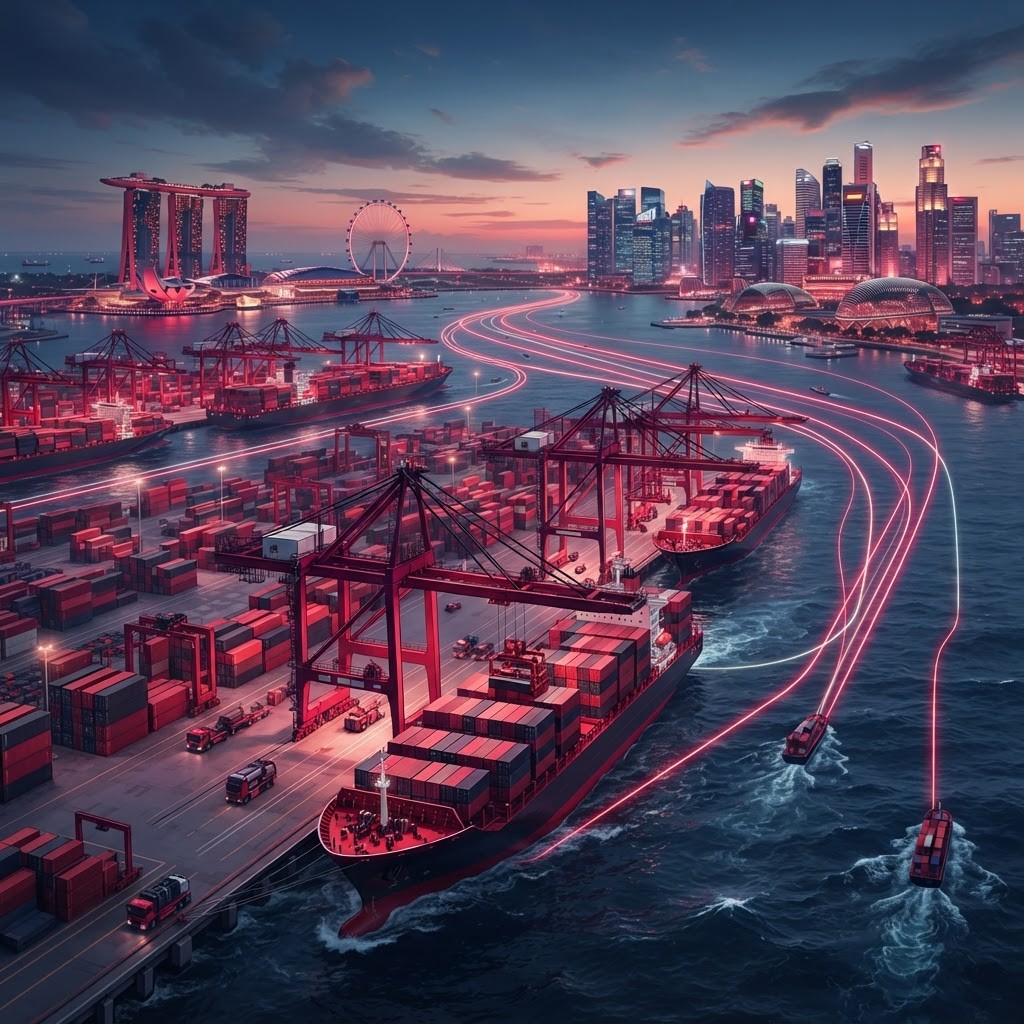
Singapore: A Maritime Nation
Few places in the world are as synonymous with maritime trade as Singapore. Strategically located along the Strait of Malacca, one of the busiest shipping routes on earth, Singapore has grown into a leading global maritime hub. Its port is among the busiest in the world by container throughput, connecting to hundreds of ports across every continent. Shipping companies based here play a central role in facilitating international trade and keeping global supply chains flowing.
The maritime sector is a cornerstone of Singapore's economy, supporting shipping lines, port operators, ship management firms, and a vast ecosystem of maritime services. The nation's shipping companies are known for their reliability, global reach, and operational excellence, serving industries from consumer goods to energy and heavy industry.
The Scope of Shipping Services
Shipping companies offer a wide range of services that extend well beyond simply transporting cargo across the sea. These include container shipping, bulk and breakbulk cargo transport, tanker services for oil and chemicals, and specialised shipping for oversized or sensitive goods. Many also provide ship management, chartering, and logistics coordination.
This diversity allows shipping companies to serve virtually every sector of the economy. Whether moving thousands of containers on massive vessels or handling niche cargo with specialised expertise, these providers deliver the capacity and know-how that global trade requires.
Leading Shipping Companies
Singapore is home to both global shipping giants and respected regional operators. Global container lines such as Maersk, Mediterranean Shipping Company, and CMA CGM maintain significant operations in Singapore, leveraging the port's connectivity and efficiency. Ocean Network Express and Hapag-Lloyd also play major roles in container shipping.
On the homegrown and regional front, Pacific International Lines is one of the largest ship owners in Southeast Asia and a proud Singapore brand. BW Group and Eastern Pacific Shipping are prominent in tanker and bulk shipping, while Sea Consortium and Wilhelmsen Ship Management provide extensive regional and ship-management services. Together, these companies reinforce Singapore's status as a maritime leader.
Technology and Digitalisation
The shipping industry is undergoing a digital transformation, and Singapore is at the forefront. Digital platforms now enable real-time cargo tracking, electronic documentation, and streamlined booking, reducing paperwork and improving efficiency. Data analytics help optimise vessel routing and fuel consumption, cutting costs and emissions.
Singapore's investment in smart port technology, including automated terminals and integrated digital systems, enhances the speed and reliability of cargo handling. These innovations position the nation's shipping companies to meet the growing demands of modern trade with agility and precision.
Sustainability in Shipping
Environmental responsibility is reshaping the maritime industry. Shipping companies are investing in cleaner fuels, energy-efficient vessels, and emissions-reduction technologies to meet international environmental standards. Alternative fuels such as liquefied natural gas and, increasingly, greener options are being explored to reduce the industry's carbon footprint.
Singapore actively supports these efforts through its vision of becoming a sustainable maritime hub, encouraging innovation and collaboration across the sector. This commitment ensures that the industry can continue to grow while addressing its environmental impact responsibly.
Benefits of Partnering with Established Shipping Companies
Working with reputable shipping companies offers major advantages for businesses engaged in trade. Established providers offer extensive global networks, reliable schedules, and deep expertise in navigating international regulations and complex logistics. Their scale and experience ensure that cargo is transported safely, efficiently, and on time.
Strong shipping partners also provide flexibility and resilience, helping businesses adapt to changing demand and navigate disruptions. Their comprehensive services simplify global trade, allowing companies to expand into new markets with confidence.
The Maritime Ecosystem Around the Port
Singapore's shipping strength extends far beyond the vessels that call at its port. A rich maritime ecosystem surrounds the industry, encompassing ship financing, marine insurance, bunkering, ship repair, classification societies, and legal and arbitration services. This concentration of expertise makes Singapore a one-stop maritime centre where shipping companies can access every service they need in one location.
The nation is also a leading bunkering hub, supplying fuel to thousands of vessels each year, and a centre for maritime innovation and training. This comprehensive ecosystem reinforces Singapore's competitiveness, attracting global shipping firms to base their regional headquarters here and further strengthening the country's position as a maritime powerhouse.
Navigating Global Trade Challenges
The shipping industry operates in a dynamic and sometimes unpredictable environment shaped by fluctuating demand, geopolitical developments, and evolving regulations. Experienced shipping companies help their clients navigate these challenges through careful planning, flexible routing, and strong global networks. Their ability to maintain reliable service during periods of disruption, whether caused by congestion, weather, or shifting trade patterns, is a defining mark of quality and a key reason businesses value established maritime partners.
Conclusion
Shipping companies in Singapore are vital engines of global trade, harnessing the nation's strategic location, world-class port, and maritime expertise. From container and bulk shipping to specialised cargo and ship management, these providers deliver the reliability, reach, and innovation that international commerce depends on. As the industry embraces digitalisation and sustainability, Singapore's shipping leaders will continue to steer the future of maritime trade across the world's oceans.
